


Copper Clad Steel Wire: A Reliable Solution for Modern Electrical and Communication Applications
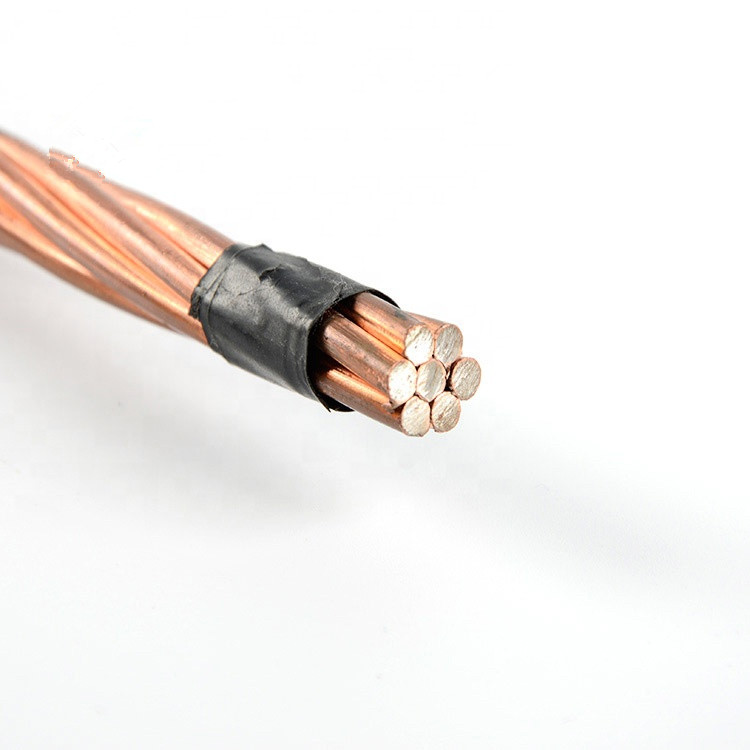
Copper clad steel wire is an innovative conductor material that combines the mechanical strength of steel with the electrical properties of copper. For industries seeking durable, dependable, and cost-effective wiring solutions, this composite material offers valuable advantages. HBNfpower provides copper clad steel wire designed for applications where strength, conductivity, and long-term performance are important considerations.
As electrical infrastructure, telecommunications, and grounding systems continue to develop, selecting the right conductor can make a significant difference in project reliability. Copper clad steel wire is an excellent option for businesses looking for a balance between mechanical performance and electrical functionality.
What Is Copper Clad Steel Wire?
Copper clad steel wire, commonly known as CCS wire, consists of a steel core covered with an outer copper layer. This combination brings together the tensile strength of steel and the conductivity and corrosion resistance associated with copper.
Unlike conventional copper wire, CCS wire offers additional mechanical strength, making it suitable for applications that require both electrical performance and structural durability. Its characteristics also make it useful in certain high-frequency communication applications, where the skin effect allows electrical current to concentrate near the conductor's surface.
HBNfpower offers copper clad steel wire for different industrial requirements, helping customers identify suitable conductor solutions for their projects.
Key Advantages of Copper Clad Steel Wire
1. Excellent Mechanical Strength
The steel core provides strong mechanical support, helping the wire withstand demanding installation conditions. This feature is particularly valuable for grounding systems, guy wires, and communication infrastructure where mechanical durability matters.
2. Reliable Electrical Performance
The copper layer contributes to electrical conductivity, while the steel core supports the wire's overall strength. Depending on the selected specification, copper clad steel wire can offer conductivity levels such as 30% and 40% IACS. Choosing the appropriate grade is essential to meeting specific electrical requirements.
3. Corrosion Resistance
The outer copper layer helps protect the steel core against environmental exposure. With the correct specification, installation practices, and maintenance, CCS wire can support dependable performance in suitable operating environments.
4. Practical and Cost-Conscious Design
Combining two metals in one conductor can provide a practical alternative to certain conventional wire designs. CCS wire may also offer a lower scrap value than pure copper, which can reduce its attractiveness to metal thieves. Actual cost benefits depend on the application and material specifications.
Common Applications of Copper Clad Steel Wire
Grounding and Earthing Systems
Copper clad steel wire is used in grounding applications where electrical requirements must be balanced with mechanical strength. Proper conductor selection helps support reliable grounding installations in industrial and infrastructure projects.
Telecommunications and Communication Cables
CCS wire can serve as a conductor in suitable communication cables. Its mechanical characteristics and surface conductivity make it useful in applications where the operating frequency and electrical specifications match the selected wire grade.
Guy Wires and Infrastructure
The strength of the steel core makes copper clad steel wire suitable for certain supporting and infrastructure applications. Selecting the correct diameter, construction, and mechanical rating helps ensure compatibility with project demands.
Why Choose HBNfpower for Copper Clad Steel Wire?
HBNfpower offers copper clad steel wire with specifications covering recognized standards, including ASTM B452, ASTM B227, and IEC 61232, depending on the applicable product requirements. Available constructions include different strand arrangements, while packaging options include rolls and reels or drums.
By considering application conditions, required conductivity, dimensions, and mechanical properties, buyers can identify a suitable product for their intended installation. HBNfpower supports customers seeking practical conductor solutions for electrical, grounding, and communication projects.

 English
 Arabic
 French
 Spanish
 Portuguese
 Deutsch
 Turkish
 Dutch
 Italiano
 Romaian
 Portuguese (Brazil)
 Greek