


What Are Shop Counters and Why Are They Important for Modern Retail Stores?
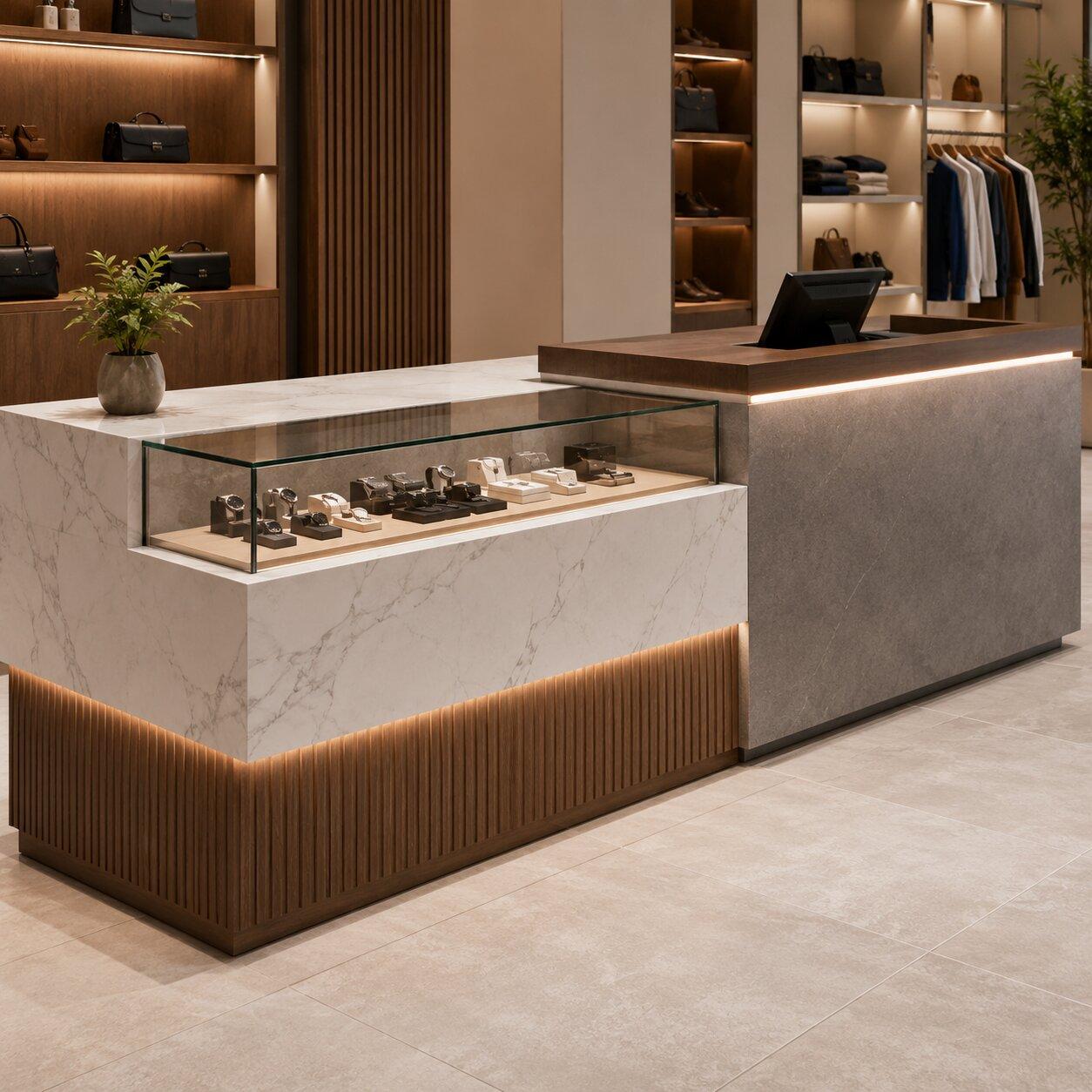
Every retail store needs a well-designed space where customers can interact with staff, make payments, ask questions, and receive assistance. This is where shop counters play a vital role. A shop counter is more than just a piece of furniture. It serves as the central point of communication between a business and its customers.
Whether you own a clothing store, convenience shop, pharmacy, electronics outlet, or beauty salon, the right counter can improve customer experience and support daily operations. Modern shop counters are designed to combine functionality, storage, and visual appeal, making them an essential part of any retail environment.
What Is a Shop Counter?
A shop counter is a specially designed retail fixture used for customer service, product display, transactions, and storage. It is usually positioned near the entrance or checkout area of a store.
Shop counters can be customized in different sizes, materials, and styles to match the branding and layout of a business. They help organize products, manage customer flow, and create a professional appearance.
Many retailers invest in quality counters because they directly influence customer impressions and operational efficiency.
Why Do Retail Businesses Need Shop Counters?
A retail environment must be practical and welcoming. Shop counters help achieve both goals.
Some key benefits include:
-
Creating a professional first impression
-
Providing a dedicated checkout area
-
Improving customer interaction
-
Offering secure storage space
-
Enhancing store organization
-
Supporting product displays
-
Maximizing available floor space
Customers naturally gravitate toward the counter area when they need assistance, making it one of the most important locations in any store.
What Types of Shop Counters Are Available?
Different businesses require different counter solutions. Understanding the available options can help retailers make the right choice.
Reception Counters
Reception counters are commonly used in salons, offices, clinics, and service-based businesses. They provide a welcoming point for visitors and customers.
These counters often include storage compartments, cable management systems, and workspace areas for staff.
Cash Counters
Cash counters are designed specifically for payment processing. They typically include space for cash registers, POS systems, receipt printers, and payment terminals.
Their layout is focused on efficiency and customer convenience.
Display Counters
Display counters combine customer service functionality with product presentation. They often feature glass sections that allow products to be showcased while remaining protected.
Jewelry stores, bakeries, and electronics retailers frequently use display counters.
Corner Counters
Corner counters are ideal for businesses with limited space. They maximize floor area while maintaining functionality.
These counters help create efficient store layouts without overcrowding the retail environment.
Custom Shop Counters
Custom counters are built according to specific business requirements. Retailers can choose dimensions, colors, materials, finishes, and branding elements.
Custom solutions help businesses create a unique and memorable customer experience.
How Do Shop Counters Improve Customer Experience?
Customer experience has become a major factor in retail success. A well-designed shop counter helps customers feel comfortable and supported.
When visitors can easily locate the checkout or service area, they spend less time searching for assistance. This creates a smoother shopping journey.
Modern counters also contribute to better queue management. Organized checkout spaces reduce waiting times and improve customer satisfaction.
Additionally, attractive counters can reinforce brand identity and create a more professional atmosphere.
Which Materials Are Commonly Used for Shop Counters?
The choice of material affects durability, appearance, and maintenance requirements.
Wooden Shop Counters
Wood remains one of the most popular options due to its warm and professional appearance. It suits both traditional and contemporary retail environments.
Laminate Counters
Laminate counters are affordable, durable, and available in a wide range of finishes. They are easy to clean and maintain.
Glass Counters
Glass counters are ideal for displaying products. They create an open and modern look while protecting valuable merchandise.
Metal Counters
Metal counters offer exceptional durability and are commonly used in high-traffic retail settings.
Many businesses combine multiple materials to achieve the desired appearance and functionality.
What Features Should You Look for in a Shop Counter?
Selecting the right counter involves more than choosing a design.
Important features include:
Storage Capacity
Adequate storage helps employees organize documents, supplies, packaging materials, and equipment.
Durability
A counter should withstand daily use without showing excessive wear and tear.
Workspace Efficiency
Staff members need sufficient working space for transactions, customer service, and administrative tasks.
Product Display Options
Integrated display areas can increase product visibility and encourage impulse purchases.
Brand Compatibility
The design should reflect the company's image and complement the overall store layout.
How Can Custom Shop Counters Support Branding?
Branding plays a significant role in retail success. A custom-designed counter can help businesses create a consistent visual identity.
Retailers often incorporate:
-
Company logos
-
Brand colors
-
Unique finishes
-
LED lighting
-
Custom graphics
These elements help customers recognize and remember the business.
Companies such as Shop Solutions Midlands provide tailored counter solutions designed to meet the specific requirements of modern retailers while maintaining a professional appearance.
Are Shop Counters Suitable for Small Retail Stores?
Absolutely. Small stores can benefit greatly from efficient counter designs.
Compact counters help maximize available space without sacrificing functionality. Many modern designs include hidden storage compartments, integrated shelving, and streamlined layouts.
For smaller retail environments, a well-planned counter can improve workflow while maintaining a clean and organized appearance.
How Do Modern Shop Counters Influence Sales?
Shop counters are often positioned in areas with the highest customer traffic. This makes them excellent locations for displaying promotional products and special offers.
Retailers frequently place:
-
Accessories
-
Seasonal items
-
Small impulse purchases
-
Discounted products
near checkout counters.
These strategic displays can encourage additional purchases and increase overall sales performance.
What Should Businesses Consider Before Buying a Shop Counter?
Before investing in a counter, retailers should evaluate several factors:
-
Available floor space
-
Customer traffic levels
-
Product display requirements
-
Storage needs
-
Brand identity
-
Budget
-
Future expansion plans
Choosing the right counter ensures long-term value and supports business growth.
Conclusion
Shop counters are one of the most important fixtures in any retail environment. They serve as the primary point of customer interaction, support daily operations, and contribute to the overall shopping experience.
From reception counters and cash counters to custom retail solutions, businesses have numerous options available to suit their needs. By selecting a durable, functional, and visually appealing counter, retailers can create a professional atmosphere that improves customer satisfaction and supports long-term success.
Investing in the right shop counter is not simply about furniture. It is about creating an efficient, welcoming, and profitable retail space. Read more: Retail Shelving

 English
 French
 Spanish
 Portuguese
 Deutsch
 Turkish
 Dutch
Dutch
 Italiano
 Russian
 Romaian
 Portuguese (Brazil)
 Greek
Greek