


Understanding Butterfly Ball Valves and Their Industrial Applications
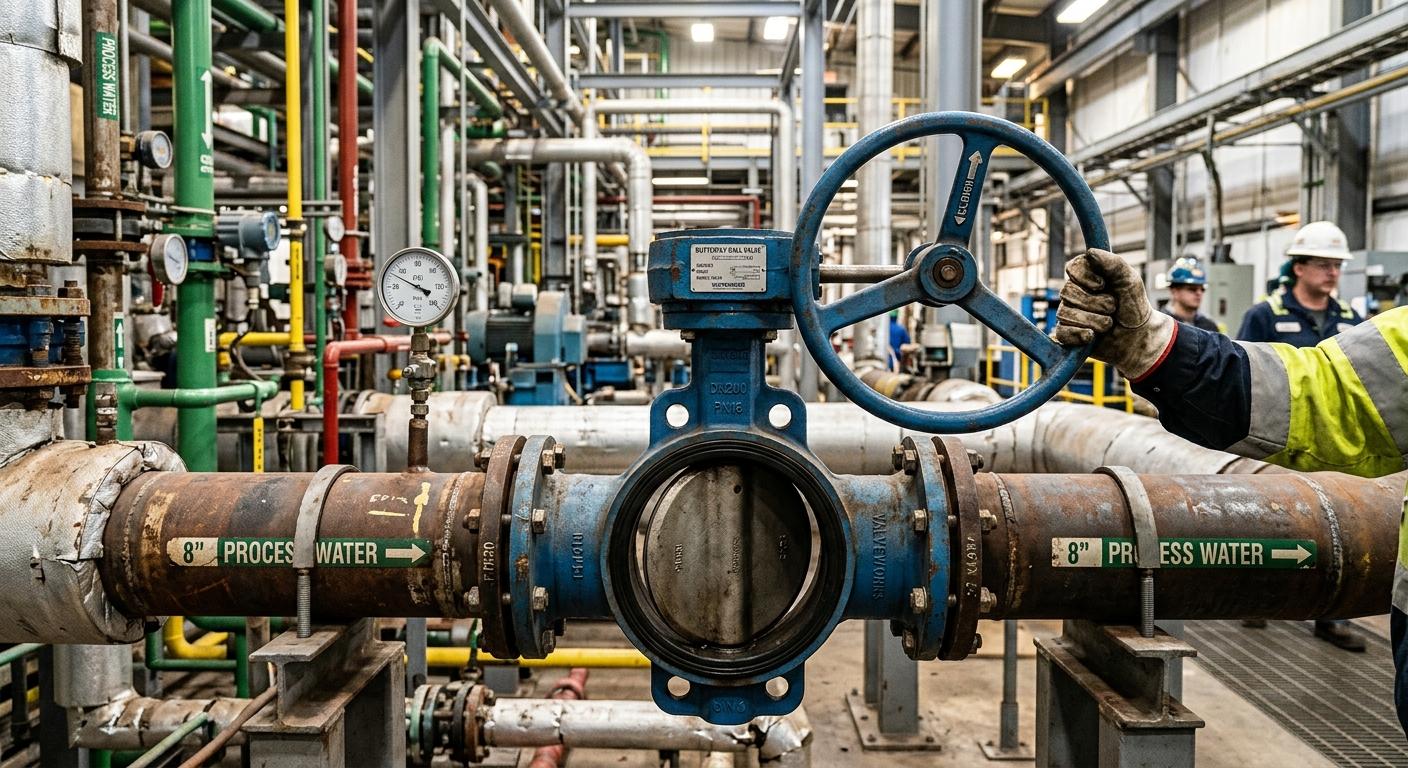
A butterfly ball valve is a term often used when discussing industrial flow control equipment that combines features associated with butterfly valves and ball valves. Both valve types play an important role in managing the movement of liquids and gases through pipelines. Although they work differently, they share the same primary purpose: controlling flow safely, efficiently, and reliably. Understanding their functions helps businesses select the right equipment for their industrial applications.
Butterfly valves use a rotating disc to regulate or stop the flow of a medium. Ball valves, in contrast, use a rotating ball with a central opening. Each design offers specific advantages depending on the pressure, temperature, fluid type, and operating conditions. When selecting a butterfly ball valve for a particular system, engineers should understand these differences and determine which valve design best suits the application.
How Butterfly and Ball Valves Work
Butterfly valves operate through a disc positioned inside the pipeline. When the valve handle or actuator rotates the disc, the opening changes to regulate the amount of fluid passing through the system. A quarter-turn operation allows the valve to move between open and closed positions quickly.
Ball valves operate through a spherical component with a hole through its center. Turning the handle rotates the ball, aligning the opening with the pipeline or positioning the solid section against the flow. This design provides reliable shutoff and is widely used in systems where leakage prevention is essential.
Although the two designs operate differently, both can support efficient flow management. Butterfly valves are often preferred for large pipelines because they are compact and lightweight. Ball valves are commonly selected for applications requiring dependable isolation and tight shutoff.
Common Industrial Applications
Butterfly and ball valves are used across numerous industries, including manufacturing, water treatment, chemical processing, food production, and energy. Their suitability depends on the system's operating requirements.
In water treatment facilities, butterfly valves help regulate water movement through filtration systems, storage tanks, and distribution networks. Their compact construction makes them useful for installations where space and equipment weight must be controlled.
Chemical processing facilities use different valve designs to manage liquids and compatible gases. Material selection is particularly important because certain chemicals can damage valve bodies, discs, balls, or sealing components. Engineers must confirm chemical compatibility before choosing equipment.
Food and beverage manufacturers may require hygienic valve designs that support cleaning and prevent contamination. Stainless steel construction and suitable sealing materials can help meet demanding sanitation requirements when the complete valve design is appropriate for the application.
Materials and Construction Quality
Material selection has a direct impact on valve performance, service life, and maintenance requirements. Common materials include stainless steel, carbon steel, ductile iron, and specialized alloys. The best option depends on the fluid, operating pressure, temperature, and surrounding environment.
Stainless steel is valued for its corrosion resistance and durability. It is particularly useful in food processing, pharmaceutical production, and selected chemical applications. However, the correct stainless steel grade must be selected according to the medium and operating conditions.
Sealing materials also deserve careful attention. EPDM, PTFE, and other elastomers or polymers may be used depending on the valve design. Each material has specific temperature and chemical resistance limits. Choosing an unsuitable seal can lead to leakage, premature wear, and unplanned shutdowns.
Quality manufacturing is equally important. Accurate machining, dependable sealing surfaces, and appropriate pressure ratings help ensure consistent operation. Buyers should review technical documentation and applicable industry standards before purchasing valves.
Benefits of Selecting the Right Valve
The right valve can improve system efficiency and simplify maintenance. Butterfly valves generally offer a lightweight design, relatively low installation requirements, and efficient operation in large-diameter pipelines. Their quarter-turn mechanism also makes automated operation practical.
Ball valves offer dependable isolation and can provide very low leakage when designed and installed correctly. They are often suitable for applications where rapid opening and closing are required.
However, neither design is ideal for every application. Pressure drop, flow characteristics, fluid properties, and the need for precise throttling should all influence the final decision. Some butterfly valves are suitable for modulating flow, but operation at certain partially open positions may increase vibration, wear, or cavitation risks.
Installation and Maintenance Requirements
Correct installation helps protect valve components and supports long-term performance. Before installation, technicians should confirm that the valve size, pressure rating, connection type, and material specifications match the pipeline requirements.
The pipeline should be properly aligned, and the valve should be installed according to the manufacturer's instructions. For butterfly valves, adequate clearance for disc movement is essential. Ball valves must also be positioned correctly to avoid interference with handles, actuators, or surrounding equipment.
Regular inspections can identify problems before they cause major disruptions. Maintenance teams should check for external leakage, corrosion, unusual operating resistance, damaged seals, and actuator issues. Valves should only be inspected or serviced after the system has been isolated and depressurized using appropriate safety procedures.
Choosing a Reliable Valve Supplier
Selecting a dependable supplier is an important part of purchasing industrial flow control equipment. Buyers should consider product specifications, manufacturing quality, available documentation, technical support, and replacement component availability.
A reliable supplier should help customers identify suitable valve types for their pressure, temperature, and fluid requirements. Clear product information also makes it easier to compare available options and avoid purchasing equipment that does not meet system specifications.
Businesses should evaluate the valve's total cost of ownership rather than focusing only on its initial purchase price. A well-selected valve may reduce maintenance needs, improve operational reliability, and minimize downtime over its service life.
Conclusion
Butterfly and ball valves are essential components in modern industrial piping systems. While their internal mechanisms differ, both provide valuable solutions for flow control and isolation. Choosing the appropriate design requires careful consideration of pressure, temperature, materials, sealing performance, and maintenance requirements. By evaluating these factors and working with an experienced supplier, businesses can select dependable valve equipment that supports safe and efficient operations.

 English
 Arabic
 French
 Spanish
 Portuguese
 Deutsch
 Turkish
 Dutch
 Russian
 Romaian
 Portuguese (Brazil)
 Greek