


What Are Tax Compliance Services and Why Does Your Business Need Them?
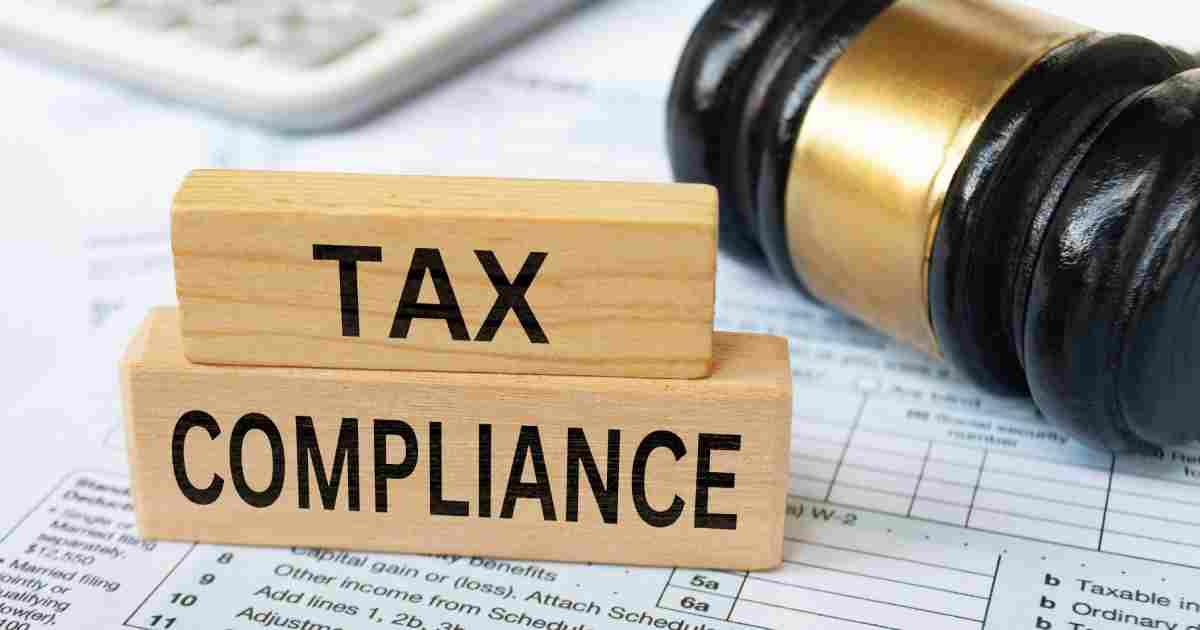
In today's highly regulated business environment, staying compliant with tax laws is more important than ever. Whether you run a small startup, a growing company, or a large enterprise, managing taxes accurately can be challenging. Tax regulations frequently change, reporting requirements become more complex, and even minor errors can lead to costly penalties.
This is where tax compliance services play a crucial role. These professional services help businesses fulfill their tax obligations, maintain accurate records, file returns on time, and stay aligned with local, state, and federal tax regulations.
Understanding how these services work can help organizations reduce risks, improve financial management, and focus more effectively on growth.
Understanding Tax Compliance
Tax compliance refers to the process of adhering to all applicable tax laws and regulations. It involves accurately calculating tax liabilities, maintaining financial records, filing returns within deadlines, and paying taxes owed to government authorities.
Businesses must comply with various tax requirements, including:
- Corporate income tax
- Payroll tax
- Sales and use tax
- Value-added tax (VAT)
- Withholding tax
- Property tax
- International tax obligations
Failure to comply with these requirements can result in audits, fines, interest charges, and reputational damage.
What Do Tax Compliance Services Include?
Professional tax experts provide a wide range of services designed to help businesses meet their legal obligations efficiently.
Tax Return Preparation and Filing
One of the primary functions of tax compliance services is preparing and submitting accurate tax returns. Professionals review financial records, calculate liabilities, identify deductions, and ensure all filings meet current regulations.
Accurate filing reduces the risk of errors that may trigger audits or penalties.
Regulatory Compliance Monitoring
Tax laws evolve regularly. Businesses often struggle to keep up with changing requirements across different jurisdictions.
Compliance specialists monitor legislative updates and adjust reporting processes accordingly, helping organizations remain compliant throughout the year.
Financial Record Maintenance
Proper bookkeeping forms the foundation of tax compliance. Service providers ensure financial records are organized, accurate, and ready for tax reporting.
This includes:
- Income tracking
- Expense categorization
- Invoice management
- Payroll records
- Financial statement reconciliation
Tax Planning Support
Although compliance and tax planning are separate functions, they often work together. Professionals identify opportunities to legally reduce tax burdens while maintaining full compliance with applicable laws.
Audit Assistance
In the event of a tax audit, businesses benefit from expert guidance. Compliance specialists help gather documentation, communicate with tax authorities, and address audit inquiries effectively.
Why Are Tax Compliance Services Important for Businesses?
Businesses face increasing pressure to maintain accurate financial reporting and regulatory compliance. Professional support offers several significant advantages.
Reduced Risk of Penalties
Late filings, calculation mistakes, and incomplete documentation can result in substantial fines. Professional compliance management minimizes these risks by ensuring deadlines and reporting requirements are met consistently.
Improved Accuracy
Tax calculations can be complex, especially for businesses operating across multiple regions. Experienced professionals use established procedures and technology to improve accuracy and reduce human error.
Time Savings
Business owners and internal finance teams often spend countless hours managing tax obligations. Outsourcing compliance responsibilities allows organizations to focus on strategic priorities rather than administrative tasks.
Better Financial Visibility
Accurate compliance processes create reliable financial data. This improves budgeting, forecasting, cash flow management, and overall decision-making.
Greater Peace of Mind
Knowing that tax matters are handled by experts provides confidence that regulatory obligations are being fulfilled correctly and on time.
How Tax Compliance Services Support Business Growth
Many business owners view compliance as simply a legal requirement. However, effective compliance management can contribute directly to long-term growth and stability.
When tax processes are organized and reliable:
- Financial reporting becomes more accurate.
- Investors gain greater confidence.
- Expansion opportunities become easier to evaluate.
- Risk management improves.
- Business operations become more efficient.
As companies scale, tax requirements typically become more complex. Professional compliance support helps businesses navigate growth without increasing regulatory risks.
Common Tax Compliance Challenges Businesses Face
Organizations often encounter several obstacles when managing taxes internally.
Frequent Regulatory Changes
Tax legislation changes regularly. Keeping up with updates requires continuous monitoring and expertise.
Multi-Jurisdiction Compliance
Businesses operating in multiple states or countries must comply with different tax regulations, filing schedules, and reporting requirements.
Data Management Issues
Incomplete or inaccurate financial records can create significant compliance problems. Poor recordkeeping often leads to reporting errors and increased audit risk.
Resource Limitations
Small and medium-sized businesses may lack dedicated tax professionals. This can make compliance management difficult and increase the likelihood of mistakes.
Choosing the Right Tax Compliance Service Provider
Selecting the right provider is critical for achieving reliable compliance outcomes.
When evaluating service providers, consider the following factors:
Industry Experience
Choose professionals with experience in your specific industry. Different sectors face unique tax obligations and reporting requirements.
Technology and Automation
Modern compliance solutions use advanced software to improve accuracy, streamline reporting, and reduce manual workloads.
Regulatory Knowledge
The provider should demonstrate a strong understanding of current tax laws and emerging regulatory developments.
Transparent Communication
Clear communication is essential. Businesses should receive regular updates regarding deadlines, filings, compliance status, and potential risks.
Scalability
Your compliance needs may evolve as your business grows. Select a provider capable of supporting future expansion and increased complexity.
The Future of Tax Compliance
Technology is transforming how businesses manage tax obligations. Automation, artificial intelligence, and cloud-based accounting systems are making compliance more efficient and accurate.
Future trends include:
- Real-time tax reporting
- Automated compliance monitoring
- AI-powered risk assessment
- Digital tax audits
- Enhanced regulatory transparency
Businesses that adopt modern compliance practices will be better positioned to manage risks and maintain regulatory readiness.
Best Practices for Maintaining Tax Compliance
Even when working with external professionals, businesses should follow certain best practices.
Maintain Accurate Records
Keep financial documents organized and updated throughout the year.
Monitor Tax Deadlines
Create a compliance calendar to ensure all filing requirements are met on time.
Conduct Regular Reviews
Periodically review financial records and tax processes to identify potential issues early.
Stay Informed
Understanding major tax changes helps businesses make informed decisions and prepare for regulatory updates.
Work with Qualified Experts
Professional guidance significantly reduces compliance risks and improves reporting accuracy.
Conclusion
Tax compliance is a critical component of responsible business management. As regulations become more complex and reporting requirements continue to evolve, organizations must take proactive steps to ensure compliance.
Professional tax compliance services help businesses manage tax obligations accurately, reduce regulatory risks, avoid costly penalties, and maintain financial transparency. From preparing returns and monitoring regulations to supporting audits and improving recordkeeping, these services provide valuable expertise that supports both compliance and business growth.
Investing in effective compliance management is not just about meeting legal requirements. It is about building a stronger, more resilient organization prepared for long-term success.

 English
 Arabic
 French
 Spanish
 Deutsch
 Turkish
 Dutch
Dutch
 Italiano
 Russian
 Romaian
 Portuguese (Brazil)
 Greek
Greek