


Best Mini Tummy Tuck Dubai: How Is Skin Elasticity Considered During Treatment Planning?
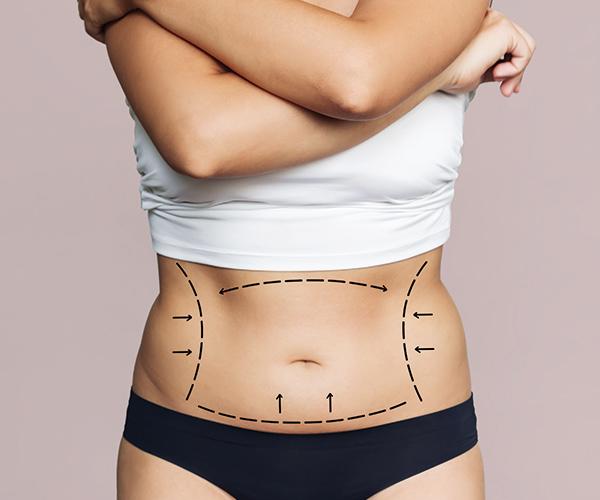
A well-defined abdomen is influenced by several factors, including skin quality, the distribution of excess fat, abdominal muscle condition, and the body's natural ability to adapt after changes in shape. For individuals considering a mini tummy tuck, skin elasticity is an important part of the initial assessment because it helps determine how much improvement may be achievable and which surgical approach may be suitable.
When exploring a Best mini tummy tuck dubai procedure, patients often focus on removing loose skin beneath the belly button and creating a smoother lower abdominal contour. However, treatment planning involves more than identifying excess skin. A surgeon also considers how the skin stretches, how well it retracts, and how its existing condition may influence the final appearance.
Dr. Shahram Sajjadi approaches abdominal contouring planning by considering individual anatomy, aesthetic preferences, and the characteristics of the treatment area. Understanding how skin elasticity is evaluated can help patients prepare for a consultation and develop realistic expectations about a mini tummy tuck.
What Is Skin Elasticity and Why Does It Matter?
Skin elasticity refers to the skin's ability to stretch and return towards its original shape. This property is supported by structural proteins, particularly collagen and elastin, which help maintain firmness, flexibility, and resilience.
When the abdomen changes in size because of pregnancy, weight fluctuations, or natural ageing, the skin may stretch. In some individuals, it gradually adapts to the new abdominal shape. In others, it remains loose, especially around the lower abdomen.
For mini tummy tuck planning, skin elasticity helps the surgeon understand the characteristics of the tissue that will remain after excess skin is removed. Skin with relatively good elasticity may conform more smoothly to the underlying abdominal contour, while skin with reduced elasticity may retain some looseness in areas outside the planned treatment zone.
Elasticity is not assessed in isolation. The amount of excess skin, its location, the thickness of the tissue, and the patient's overall abdominal structure all contribute to the treatment plan.
How Is Skin Elasticity Evaluated During the Initial Consultation?
The initial consultation provides an opportunity to examine the lower abdomen and discuss the patient's desired outcome. Rather than relying on a single observation, the surgeon considers several features to understand the condition of the skin.
Visual Assessment of the Lower Abdomen
The surgeon examines the abdomen while the patient is standing and, where appropriate, in other positions. This helps reveal how the skin falls naturally, where folds appear, and whether looseness is concentrated below the belly button.
The assessment may include the amount of overhanging skin, the visibility of creases, and the distribution of tissue across the lower abdominal area. These observations help establish whether a mini tummy tuck could address the main concern or whether the looseness extends beyond the area typically treated by this procedure.
Assessment of Skin Stretch and Retraction
A surgeon may gently examine the skin to understand its flexibility and how it responds to movement. The assessment can help identify whether the tissue appears relatively resilient or shows signs of reduced recoil.
This examination is interpreted alongside the patient's history and the appearance of the abdominal tissue. A simple skin-pinch observation alone cannot reliably predict the final surgical result, so it forms only one part of the broader assessment.
Examination of Skin Texture and Quality
Skin texture may offer additional information about the condition of the tissue. The surgeon may note fine creases, stretch marks, uneven texture, or areas that appear thinner or less firm.
Stretch marks can occur when the skin has been stretched beyond its capacity to maintain its original structure. Their presence may suggest changes in the skin, although they do not provide a complete measure of elasticity.
These findings help the surgeon discuss which areas may improve following the removal of excess skin and which skin-quality concerns may remain.
Which Factors Can Affect Abdominal Skin Elasticity?
Skin elasticity varies considerably from one person to another. Understanding the factors that influence it allows the surgeon to assess the abdomen in context rather than applying the same treatment plan to every patient.
Age and Natural Changes in Skin Structure
As people age, the skin gradually undergoes structural changes. Collagen and elastin production and organisation change over time, which may reduce firmness and the ability of the skin to return to its previous shape.
Age alone does not determine whether someone is suitable for a mini tummy tuck. The surgeon considers the actual condition of the skin, the location of excess tissue, and the patient's overall abdominal anatomy.
Pregnancy and Abdominal Stretching
Pregnancy can stretch the abdominal skin as the abdomen expands. After delivery, some skin gradually contracts, while some may remain loose or develop persistent folds.
For patients considering treatment after pregnancy, the surgeon evaluates how much excess skin remains below the belly button and whether the concern is limited to that area. The timing of treatment and whether future pregnancies are planned may also be discussed because subsequent abdominal changes can affect long-term contour.
Weight Changes and Skin Adaptation
Significant weight fluctuations can influence skin quality. When the abdomen expands and later becomes smaller, the skin may not fully retract to match the reduced volume.
Patients who have reached and maintained a relatively stable weight can generally have their abdominal contour assessed more consistently. The surgeon considers whether the remaining concern is primarily loose skin, excess fat, muscle separation, or a combination of these factors.
Genetics and Individual Skin Characteristics
Genetic factors influence skin thickness, texture, and natural resilience. Two people with similar body shapes and histories may therefore have different skin characteristics.
This variation is one reason treatment planning needs to be individualised. General descriptions of ideal candidates cannot replace a direct examination of the patient's abdomen.
How Does Skin Elasticity Influence Mini Tummy Tuck Suitability?
A mini tummy tuck is generally designed for selected patients whose main concern is excess skin and contour irregularity in the lower abdomen. The amount and location of loose skin are central to determining whether this procedure matches the patient's needs.
When looseness is concentrated below the belly button, the surgeon may consider whether removing a limited section of skin can produce a smoother lower abdominal appearance. The quality of the remaining skin is also relevant because it influences how the surrounding tissue may settle after surgery.
If loose skin extends significantly above the belly button or across a broader area, a mini tummy tuck may not address the full concern. In such cases, the surgeon may discuss a full tummy tuck or another suitable approach.
Reduced elasticity does not automatically rule out a mini tummy tuck. Instead, it helps inform the discussion about the extent of correction that may be achievable and whether the proposed procedure can address the patient's priorities.
The objective is to match the treatment to the individual's anatomy rather than selecting a procedure based on its name alone.
What Is the Difference Between Skin Elasticity and Abdominal Muscle Condition?
Skin elasticity and abdominal muscle condition are related to overall abdominal appearance, but they describe different structures.
Skin elasticity concerns the outer tissue and its ability to stretch and recoil. Muscle condition relates to the abdominal wall beneath the skin, including whether the muscles have separated or whether the underlying contour has changed.
A patient may have relatively firm abdominal muscles but still experience loose skin beneath the belly button. Another person may have limited excess skin but notice abdominal protrusion associated with muscle separation.
During consultation, the surgeon assesses these features separately. This distinction matters because a mini tummy tuck primarily addresses selected lower abdominal skin concerns, while muscle repair depends on the patient's anatomy and the planned procedure.
If muscle separation or more extensive abdominal changes are present, the surgeon can explain whether a different approach would better align with the patient's goals.
How Is a Treatment Plan Developed Around Skin Quality?
After examining skin elasticity and the surrounding abdominal structures, the surgeon develops a plan based on the areas that require attention and the outcome the patient wants to achieve.
Identifying the Main Treatment Area
The surgeon determines where the excess skin is located and how much of it may need to be removed. Particular attention is given to the area beneath the belly button because this is the main region typically addressed by a mini tummy tuck.
The assessment also considers whether the proposed correction would create a balanced transition between the treated and untreated areas.
Discussing the Expected Abdominal Contour
Patients may describe their goals as wanting a flatter lower abdomen, fewer visible folds, or a smoother appearance beneath clothing. The surgeon uses the examination to explain how these goals relate to the existing skin and abdominal structure.
Skin elasticity can influence how closely the remaining tissue may follow the underlying contour. However, it cannot guarantee a particular result, and individual outcomes vary.
Considering Scar Placement and Skin Removal
A mini tummy tuck generally involves an incision in the lower abdomen, with its length and placement depending on the surgical plan. The amount of skin that can be removed and the way the remaining tissue is positioned are considered together.
The surgeon discusses how the proposed incision relates to the patient's body proportions, skin distribution, and aesthetic preferences. This allows patients to understand the practical considerations involved before making a decision.
Establishing Realistic Expectations
A treatment plan should distinguish between concerns that the procedure is intended to improve and features that may remain. For example, removing lower abdominal skin may improve the outline of that region, but it does not necessarily correct loose skin across the upper abdomen or changes in abdominal muscle structure.
Clear communication helps patients understand the likely scope of treatment and decide whether a mini tummy tuck is appropriate for their objectives.
Why Stable Weight and Lifestyle Considerations Matter
Skin elasticity is only one component of abdominal contour planning. Weight stability and general lifestyle factors also influence how the abdomen is assessed and how results may be maintained.
Substantial weight changes after surgery can alter the shape of the abdomen and affect the appearance of the remaining skin. Patients are therefore encouraged to discuss their weight history and future goals during consultation.
Nutrition, hydration, smoking status, existing medical conditions, and general health may also be relevant to surgical planning and recovery. These factors are considered as part of an overall assessment rather than as direct measurements of skin elasticity.
For individuals planning further pregnancies or significant weight changes, the surgeon may discuss how timing could influence the suitability of treatment. The aim is to help patients make an informed decision that reflects both their current concerns and their longer-term plans.
Understanding Mini Tummy Tuck Cost in Dubai
The cost of a mini tummy tuck can vary according to the individual's needs and the proposed treatment plan. Skin elasticity may influence planning indirectly because the extent and location of excess skin help determine whether a mini procedure is suitable.
Other considerations can include the surgeon's experience, the surgical facility, anaesthesia arrangements, the complexity of the procedure, and the services included in the overall treatment package.
When researching Best mini tummy tuck Cost in dubai, patients should seek a personalised quotation rather than relying only on a general advertised price. It is useful to clarify what the quoted fee covers, including consultations, facility charges, follow-up appointments, and any other applicable costs.
A consultation allows the surgeon to assess the abdomen and explain which procedure may be appropriate. This makes it easier to understand how the recommended approach relates to the patient's anatomy, priorities, and budget.
Preparing for a Mini Tummy Tuck Consultation
Preparing for the consultation can make the discussion more useful. Patients may wish to consider the following points before meeting the surgeon:
- Identify the main area of concern, such as loose skin beneath the belly button or persistent lower abdominal folds.
- Share relevant information about previous pregnancies, weight changes, and earlier abdominal procedures.
- Explain whether weight has been stable and whether future pregnancies or substantial weight changes are planned.
- Discuss desired improvements and any questions about incision placement, skin removal, or expected contour.
- Ask how the surgeon evaluates skin elasticity and how that assessment affects the recommended procedure.
- Request a clear explanation of the proposed treatment, expected recovery, follow-up arrangements, and total cost.
These details help the surgeon build a clearer picture of the patient's needs and explain the available options in practical terms.
Conclusion
Skin elasticity is an important consideration when planning a mini tummy tuck because it helps the surgeon understand how the abdominal skin may respond to the removal of excess tissue. Visual examination, assessment of skin recoil, skin texture, the location of looseness, and the patient's medical and weight history all contribute to a personalised treatment plan.
For patients researching Best mini tummy tuck dubai, the most appropriate procedure depends on more than the amount of loose skin. The surgeon must also determine whether the concern is limited to the lower abdomen, whether the underlying abdominal structure needs consideration, and whether a mini tummy tuck can reasonably meet the patient's goals.
Dr. Shahram Sajjadi can assess these individual factors during a consultation and explain the treatment options relevant to the patient's anatomy. A careful, informed approach helps establish realistic expectations and supports a decision based on suitability rather than assumptions about the procedure.
Frequently Asked Questions
1. Why is skin elasticity important before a mini tummy tuck?
Skin elasticity helps the surgeon evaluate the condition of the abdominal skin and consider how the remaining tissue may settle after excess skin is removed. It is one of several factors used to determine whether a mini tummy tuck may suit the patient's needs.
2. How does a surgeon assess skin elasticity?
The surgeon may examine the abdomen visually, assess how the skin responds to gentle handling, and consider texture, stretch marks, skin thickness, and the distribution of loose tissue. The findings are interpreted alongside the patient's history and overall abdominal anatomy.
3. Can someone with poor skin elasticity have a mini tummy tuck?
Reduced elasticity does not automatically exclude someone from treatment. Suitability depends on the location and amount of excess skin, the patient's anatomy, and whether the expected correction aligns with their goals. An individual consultation is necessary to determine the appropriate approach.
4. Is a mini tummy tuck suitable for loose skin above the belly button?
A mini tummy tuck primarily targets selected concerns in the lower abdomen. If loose skin extends substantially above the belly button, a full tummy tuck may be more appropriate. The surgeon can explain the differences after examining the abdominal area.
5. Do stretch marks affect mini tummy tuck planning?
Stretch marks can indicate changes in the skin's structure and are considered during the assessment. If they are located within the skin removed during surgery, some may be removed with that tissue. Stretch marks outside the treatment area may remain.
6. Does age determine skin elasticity?
Age can influence skin firmness and resilience, but it is not the only determining factor. Genetics, pregnancy, weight fluctuations, and individual skin characteristics also matter. Suitability is based on an overall assessment rather than age alone.
7. Can exercise improve skin elasticity before surgery?
Exercise can strengthen muscles and support general fitness, but it cannot reliably remove established excess skin or restore significantly reduced skin elasticity. A surgeon can help distinguish concerns related to skin from those associated with muscle condition or fat distribution.
8. Does skin elasticity affect the cost of a mini tummy tuck in Dubai?
It can influence the treatment plan by helping determine the extent of correction required and whether a mini tummy tuck is suitable. The final cost also depends on surgical, facility, anaesthesia, and other treatment-related fees.
9. How long should weight remain stable before a mini tummy tuck?
The appropriate period depends on the individual's circumstances and the surgeon's assessment. In general, maintaining a stable weight before treatment helps provide a more consistent basis for planning. Patients should discuss recent weight changes and future goals during consultation.
10. How can I find out whether I am suitable for a mini tummy tuck?
Arrange an assessment with a qualified plastic surgeon who can examine your lower abdominal skin, evaluate its elasticity, assess the underlying abdominal structure, and discuss your goals. This personalised evaluation is the best way to understand whether a mini tummy tuck or another approach is appropriate.

 English
 French
 Spanish
 Portuguese
 Deutsch
 Turkish
 Dutch
 Italiano
 Russian
 Romaian
 Portuguese (Brazil)
 Greek