


Siding Installation: Choosing the Right Materials for Lasting Home Protection
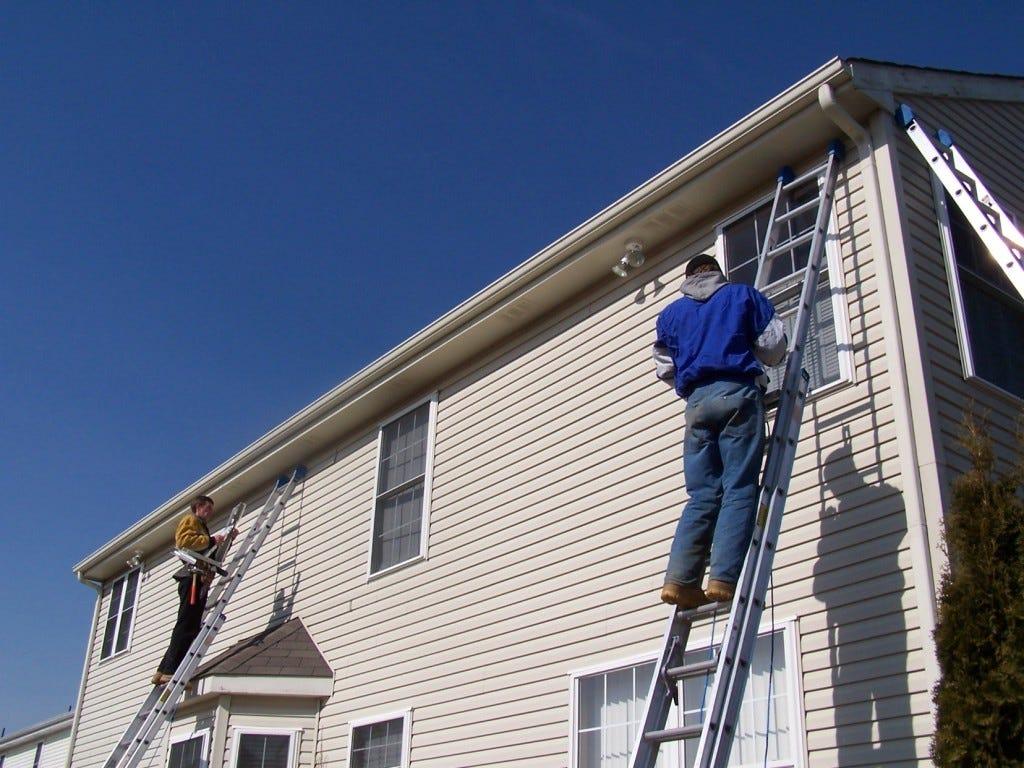
A home's exterior serves as its first line of defense against rain, wind, sunlight, temperature changes, and everyday environmental wear. Over time, exposure to these elements can cause exterior materials to fade, crack, warp, or deteriorate, potentially affecting the property's appearance and performance. Choosing the right siding is therefore an important part of maintaining a durable and attractive home. A well-planned Siding Installation project can help protect exterior walls, improve visual appeal, and reduce the need for frequent repairs. However, the best results depend on selecting materials that suit the property's structure, local climate, maintenance requirements, and overall renovation budget.
Homeowners have several siding options available, each offering different advantages in terms of appearance, durability, cost, and upkeep. Vinyl, fiber cement, wood, engineered wood, and metal siding can all be appropriate choices when matched with the right building conditions. Before making a decision, it is important to understand how each material performs and what installation requirements may affect its long-term value. Proper preparation, moisture management, and attention to manufacturer guidelines are just as important as the siding itself. By considering these factors early, homeowners can make informed decisions that support reliable protection and a finished exterior that complements their property's architectural style.
Understanding the Importance of Quality Siding
Siding does more than improve a home's appearance. It forms part of the exterior wall system, helping shield the underlying structure from weather exposure and physical wear. When siding is damaged, poorly fitted, or improperly maintained, moisture may reach vulnerable areas and contribute to deterioration of wall sheathing, framing, or interior finishes. Gaps and poorly sealed transitions can also allow unwanted air and water to enter. Quality siding, combined with appropriate flashing, drainage details, and weather-resistant barriers, helps reduce these risks. Homeowners should remember that siding alone is not a complete waterproofing system; the layers behind it play an equally important role. A successful renovation begins with an assessment of the existing exterior to identify damaged materials, potential moisture problems, and areas that require repair before new panels are installed. Choosing durable products and ensuring that they are fitted correctly can help preserve the building envelope and maintain the property's condition over time.
Vinyl Siding: A Practical and Low-Maintenance Option
Vinyl siding is a common choice for homeowners seeking an affordable exterior finish with relatively simple maintenance requirements. It is available in numerous colors, textures, profiles, and styles, allowing it to complement both traditional and contemporary homes. Unlike painted wood, standard vinyl siding generally does not require regular repainting, although occasional cleaning is needed to remove dirt, dust, and environmental buildup. Its performance depends on product quality, exposure conditions, and correct installation. Vinyl can expand and contract as temperatures change, so installers must follow manufacturer requirements for fastening and panel movement. Excessively tight fasteners or incorrect clearances can contribute to buckling or distortion. Although vinyl resists many common forms of moisture-related deterioration, it can crack under certain impacts or become damaged by extreme heat. Homeowners comparing Siding Installation options should ask about product specifications, color stability, warranty coverage, and repair procedures. When installed according to the manufacturer's instructions and maintained appropriately, vinyl can offer a practical balance of appearance, convenience, and upfront cost.
Fiber Cement Siding: Durability and Design Flexibility
Fiber cement siding is manufactured from a combination of cementitious materials and reinforcing fibers. It is valued for its substantial appearance, design versatility, and resistance to many common exterior challenges. Depending on the product, it can resemble painted wood boards, shingles, or other architectural finishes. Fiber cement is generally resistant to insect damage and does not provide the same food source for pests as natural wood. It can also perform well in a variety of climates when installed and maintained according to the manufacturer's instructions. However, the material is heavier than vinyl and often requires specialized tools, appropriate fastening methods, and careful handling. Cutting fiber cement can generate respirable crystalline silica dust, so installers must use suitable dust-control measures and protective equipment. Painting or finish maintenance may also be necessary depending on the product and its coating system. Homeowners should compare the full installed cost, expected upkeep, and available warranty terms before selecting this option. For those who want a durable exterior with a more substantial architectural finish, fiber cement may be a strong candidate.
Wood and Engineered Wood: Natural Character With Specific Care Needs
Wood siding offers a natural appearance that can bring warmth and character to a home's exterior. It is available in several profiles, including horizontal boards, vertical panels, and shingles, making it suitable for a wide range of architectural designs. Nevertheless, natural wood requires consistent maintenance to protect it from moisture, ultraviolet exposure, and insect activity. Depending on the product and climate, periodic painting, staining, sealing, or replacement of damaged sections may be necessary. Poor drainage, neglected coatings, and persistent dampness can shorten its service life. Engineered wood siding is designed to provide a wood-based appearance while using manufactured components intended to improve consistency and performance. Its durability still depends on product quality, proper edge protection, suitable clearances, and adherence to installation instructions. Before choosing either option, homeowners should consider the amount of maintenance they are willing to perform and whether the property has areas exposed to frequent moisture. Discussing ventilation, drainage, and protective finishing with an experienced installer can help homeowners determine whether wood-based siding is a sensible long-term investment.
Metal Siding: A Modern Choice for Exterior Protection
Metal siding, including steel and aluminum products, can provide a clean, modern appearance and a durable exterior finish. It is available in a variety of colors, panel shapes, and surface textures, making it suitable for contemporary homes and selected traditional designs. Metal siding does not rot like untreated wood, and many products require relatively little routine maintenance beyond inspection and cleaning. However, the performance of metal varies by material, coating, thickness, and exposure conditions. Steel products need appropriate corrosion protection, particularly where coatings are scratched or damaged. Aluminum resists rust but can dent under impact. Fasteners, panel joints, trim, and flashing must be installed correctly to help manage water and accommodate material movement. Homeowners should also ask how the selected product performs in their local weather conditions and what maintenance is recommended for its finish. When comparing metal with other siding materials, evaluate appearance, repairability, insulation requirements, and the total installed price rather than focusing on durability alone. The right system should fit both the home's design and its environmental demands.
Comparing Costs, Maintenance, and Long-Term Value
Siding materials should be evaluated according to their overall cost of ownership, not simply their purchase price. The final project budget may include material delivery, removal and disposal of old siding, labor, surface preparation, flashing, weather-resistant barriers, trim, and repairs to concealed damage. More affordable materials may offer excellent value when they meet the property's needs, while higher-priced products may justify their cost through a preferred appearance, specific performance characteristics, or reduced maintenance requirements. The climate and position of the home can also influence future upkeep. Exterior walls exposed to intense sunlight, heavy rainfall, strong winds, or frequent temperature changes may need more careful material selection and periodic inspection. Homeowners should request itemized estimates from qualified professionals and compare the scope of work, warranty terms, and product specifications. A realistic budget should also account for potential repairs discovered after old siding is removed. Considering these details helps prevent unexpected expenses and makes it easier to select a material that balances upfront investment with long-term performance.
Why Professional Installation and Moisture Management Matter
Even high-quality siding can fail prematurely if it is installed incorrectly. Before new materials are fitted, the installer should assess the existing wall surface and address damaged sheathing, deteriorated trim, or evidence of water intrusion. A suitable weather-resistant barrier, correctly integrated flashing, and properly detailed openings help direct water away from vulnerable building components. Installers must also follow product-specific requirements for fastener placement, panel clearances, expansion, ventilation, and transitions around windows and doors. These details are especially important because moisture problems may develop behind siding without being immediately visible from outside. Homeowners should ask prospective contractors about their experience with the selected material, insurance coverage, installation process, and workmanship warranty. A written contract should identify the products, preparation tasks, project schedule, payment terms, and procedures for handling unexpected repairs. During the final inspection, review corners, joints, trim, openings, and the overall finish with the installer. Professional workmanship and appropriate moisture management help the siding function as part of a complete exterior protection system rather than as a decorative covering alone.
Conclusion
Selecting the right siding material is an important investment in your home's appearance, durability, and long-term maintenance needs. Vinyl can provide a convenient, cost-conscious option, while fiber cement offers design flexibility and substantial durability. Wood brings natural character but requires ongoing care, engineered wood provides another wood-based alternative, and metal siding can deliver a modern finish with material-specific maintenance considerations. The best choice depends on your climate, architectural preferences, budget, and willingness to maintain the exterior over time. A successful Siding Installation project also requires careful surface preparation, appropriate moisture protection, and compliance with the manufacturer's installation instructions. By comparing material specifications, obtaining detailed estimates, and working with an experienced professional, homeowners can make a well-informed decision that protects their property and enhances its curb appeal for years to come.

 English
 Arabic
 French
 Spanish
 Portuguese
 Deutsch
 Turkish
 Italiano
 Russian
 Romaian
 Portuguese (Brazil)
 Greek