


How Can Buyers Prepare Specifications for an SMC Mould?
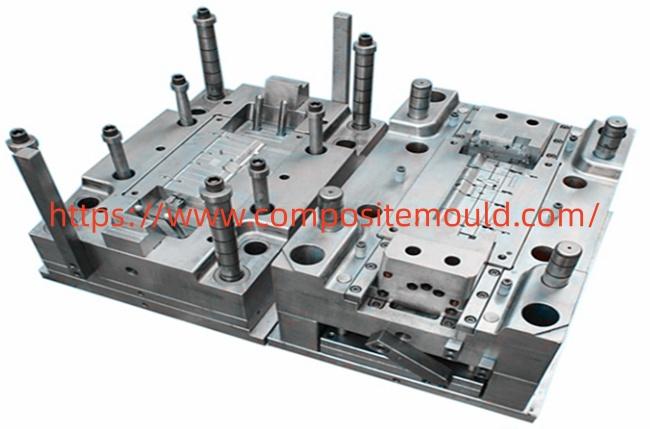
SMC Mould projects require careful preparation before manufacturing begins. Buyers need to communicate product dimensions, material requirements, operating conditions, and quality expectations so that the manufacturer can evaluate the project accurately. Missing details may lead to design revisions, unclear responsibilities, or delays during sample approval. A practical preparation checklist helps purchasing teams organize technical information, discuss important decisions with engineers, and establish a shared understanding of the expected deliverables before placing an order.
Prepare Accurate Product Drawings
Product drawings provide the foundation for engineering discussions. Before contacting a manufacturer, prepare the latest available 2D drawings and 3D CAD files. Confirm that the dimensions, wall thicknesses, mounting features, openings, ribs, and assembly interfaces are represented correctly.
Mark dimensions that affect product function or installation. For example, a mounting hole may need a specific position to align with another component, while a flat surface may be important for sealing or assembly. Identifying these requirements early helps engineers distinguish critical features from dimensions with greater flexibility.
If the design is still under development, clearly identify the unfinished areas. Sharing open questions is more useful than allowing assumptions to become part of the initial quotation. Buyers should also maintain revision numbers and approval dates so that everyone works from the same product information.
Define Material and Application Requirements
The material used for a molded component influences its processing conditions, dimensional behavior, appearance, and intended performance. Buyers should provide the specified material grade whenever it has already been selected. If the grade remains undecided, describe the required properties and the environment in which the finished part will operate.
Relevant application details may include exposure to outdoor conditions, temperature changes, moisture, chemicals, electrical insulation requirements, or mechanical loads. These factors help the engineering team evaluate the design and identify questions that need further review.
Appearance requirements deserve separate attention. State whether the visible surface will be painted, textured, coated, or left in its molded condition. Identify areas where visible marks or surface irregularities require particular control. Clear expectations help the manufacturer plan the relevant finishing and inspection procedures.
Discuss Tooling Structure and Production Volume
The intended production quantity should be established before the project scope is finalized. Prototype development, small production batches, and recurring commercial orders may require different tooling arrangements and maintenance plans.
Share the expected quantity for the initial order and a reasonable estimate of future demand. If production is expected to increase over time, explain the anticipated schedule. This information helps the manufacturer assess whether the proposed configuration is suitable for the planned workload.
Buyers should also discuss the available production equipment. If the tool will operate on a particular press, provide relevant machine information, including platen dimensions, available clamping force, opening distance, and other applicable interface requirements. Confirming these details early can help identify installation constraints before manufacturing starts.
Establish Dimensional and Appearance Standards
General statements such as good quality or smooth finish may be interpreted differently by different teams. Buyers should translate expectations into measurable requirements wherever possible.
Identify critical dimensions, permitted tolerances, flatness requirements, and relevant assembly measurements. For visible areas, specify the expected surface condition and how the finished component will be inspected. If a particular inspection method or documentation format is required, include it in the project specification.
It is also helpful to agree on how dimensional results will be recorded and which features need formal measurement reports. When both parties understand the acceptance criteria before production, sample reviews become easier to organize and discuss.
Plan Sample Trials and Design Revisions
Sample evaluation should be included in the project schedule rather than treated as an afterthought. Buyers should ask how trial samples will be produced, how many review rounds are included, and what information will accompany each submission.
Prepare a structured feedback process. Comments should identify the affected feature, the observed issue, the required adjustment, and the relevant drawing reference. Photographs and measurement results can help explain problems that are difficult to describe through general comments alone.
Before authorizing a design change, confirm its effect on the tooling structure, cost, and delivery schedule. Changes made after manufacturing has progressed may require additional machining or further testing. A documented approval process helps keep technical decisions traceable throughout development.
Confirm Maintenance, Delivery, and Project Responsibilities
Long-term planning should include more than the initial manufacturing stage. Ask about routine maintenance access, replaceable components, recommended inspection procedures, and the documentation supplied with the completed tool. These details can influence how easily the equipment is maintained during its intended service period.
Commercial arrangements should also be clearly defined. Confirm the delivery schedule, packaging requirements, shipping responsibilities, payment milestones, and ownership terms. If the tool will be transferred to another production location, clarify the required documentation and compatibility conditions in advance.
Before placing the order, review the drawings, technical specifications, acceptance criteria, project schedule, and commercial terms together. Keep a written record of agreed requirements and unresolved questions. This gives both parties a clear reference for the next stage of the project.For manufacturers and industrial buyers preparing a new composite component project, organized communication can help connect engineering requirements with practical production planning. compositemould provides product and manufacturing information for customers evaluating tooling solutions. Visit https://www.compositemould.com/product/ to review available options and discuss your drawings, material specifications, production requirements, and project expectations with the team.

 English
 Arabic
 French
 Spanish
 Deutsch
 Turkish
 Dutch
 Italiano
 Russian
 Romaian
 Portuguese (Brazil)
 Greek