


How Can a Multifunction Time Relay Manufacturer Meet OEM Needs?
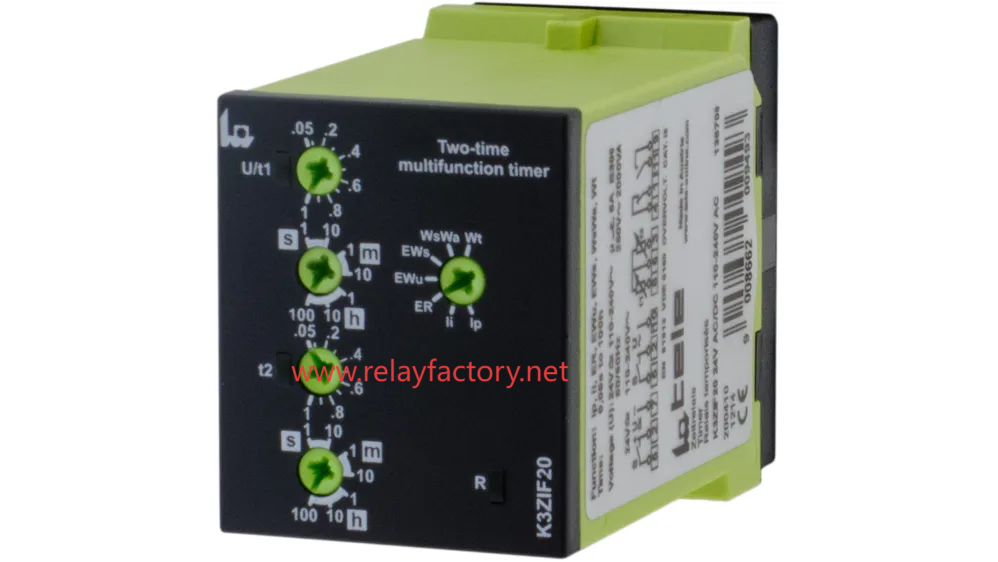
Multifunction Time Relay Manufacturer selection involves more than reviewing a quotation. Buyers should examine application compatibility, electrical parameters, configuration options, inspection arrangements, and supply coordination before confirming a purchase. Preparing these details helps engineering teams assess product suitability while giving procurement staff a clear basis for discussing costs, quantities, and delivery expectations.
What Information Should Buyers Prepare First?
Before contacting a supplier, describe the equipment and its control requirements. Explain the sequence of operations, the conditions that activate the circuit, and the expected output response. Industrial machinery, packaging systems, pumps, and automated production equipment may require different switching behaviors.
If you are replacing an existing component, provide its model number, wiring diagram, and available technical documents. For a new design, share a basic circuit diagram or written explanation of the intended operation.
It is also useful to identify the project stage. Prototype development, equipment upgrades, and recurring production orders can involve different purchasing priorities. A clear project brief helps the supplier understand the application before recommending a suitable configuration.
Which Electrical Specifications Require Attention?
Electrical compatibility should be checked against the actual control circuit. Buyers should not assume that products with similar appearances or descriptions share identical operating characteristics.
Prepare a checklist covering these parameters:
Supply voltage: Specify the required AC or DC input and its acceptable operating range.
Operating functions: Identify the switching sequences needed for the equipment.
Adjustment range: Define the required delay settings and adjustment method.
Output contacts: Verify the contact arrangement and switching ratings against the connected load.
Installation dimensions: Confirm mounting format, terminal positions, and available panel space.
Environmental conditions: Identify relevant temperature, humidity, vibration, and enclosure requirements.
Request the datasheet for the exact model under consideration. Engineering staff should compare the documented specifications with the equipment design before approving the selection.
This review also helps identify missing information while changes are still manageable, rather than after components have entered assembly.
How Should Buyers Review Configuration Options?
Product descriptions may not explain every detail of circuit behavior. Buyers should ask which operating modes are supported and how the selected configuration responds to input changes, power interruptions, and resets.
A timing diagram can help clarify these points. It illustrates the relationship between the input signal and output state, allowing engineers to compare the expected sequence with the documented operating principle.
For projects involving customized equipment, confirm whether the required configuration is available. Discuss terminal identification, labeling, packaging, and documentation requirements before production arrangements are finalized.
Written confirmation is particularly useful when several departments participate in purchasing. Engineering, procurement, and assembly teams can refer to the same approved specifications instead of relying on separate interpretations of a product description.
Should Buyers Arrange Sample Testing?
Sample evaluation gives engineers an opportunity to examine a component before ordering a larger quantity. The test plan should reflect the intended application rather than relying solely on a basic power-on check.
Useful checks include verifying terminal connections, reviewing adjustment procedures, observing switching behavior, and confirming that the selected operating mode follows the expected sequence.
Record the model number, test conditions, results, and any unresolved questions. If the sample does not meet the project's requirements, discuss the differences with the supplier before approving the configuration.
Buyers should also confirm that production units will match the approved sample. Retaining evaluation records and product identification details helps purchasing teams verify consistency when subsequent batches are ordered.
What Should Buyers Ask About Quality Management?
Procurement teams should clarify the supplier's inspection process and the records available for the selected product. Depending on the application, useful documents may include technical datasheets, wiring instructions, inspection records, and applicable conformity documentation.
Ask how product identification is maintained and how specification changes are communicated. For repeat purchases, buyers should establish a clear process for reviewing changes to materials, construction, or configuration before accepting an alternative.
These discussions help define expectations without assuming that every supplier follows the same procedures. Buyers can then compare the available documentation with their own quality requirements and the needs of the finished equipment.
How Can Purchasing Teams Coordinate Repeat Orders?
A consistent purchasing record can simplify future procurement. Maintain a file containing approved model numbers, electrical specifications, drawings, sample results, order quantities, and delivery requirements.
Include packaging instructions, labeling preferences, inspection expectations, and the relevant contact details for technical questions. When an equipment revision changes the circuit or mounting arrangement, review the new specifications before reordering.
For distributors and OEM equipment builders, organized records also support inventory planning and communication between departments. They help new team members understand previous decisions and reduce the risk of ordering a different configuration by mistake.
Discuss Your Project With relayfactory
Before requesting a quotation, prepare your application description, electrical requirements, expected quantity, documentation needs, and delivery schedule. These details provide a practical starting point for reviewing product suitability and coordinating the purchasing process. To review available product information and discuss your project requirements, visit https://www.relayfactory.net/ and contact relayfactory about your industrial control application.

 English
 Arabic
 French
 Spanish
 Deutsch
 Turkish
 Dutch
 Italiano
 Russian
 Romaian
 Portuguese (Brazil)
 Greek