


Marriage Blood Test: Preparing for a Healthy Married Life
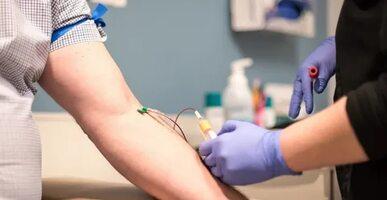
Marriage is often seen as the beginning of a new emotional journey, but it is also the start of a shared physical and biological life. Beyond wedding planning, financial arrangements, and family expectations, there is one crucial aspect that couples increasingly consider today: health preparation. A marriage blood test is one of the most effective ways to prepare for a healthy married life.
Marriage Blood Test in Dubai provides essential insights into overall health, genetic risks, infectious diseases, and reproductive compatibility. It helps couples understand each other’s medical background and prepares them for future challenges related to family planning and long-term wellness.
Instead of being viewed as a formality, a marriage blood test should be understood as a proactive step toward a healthier and more informed future together.
Why Health Preparation Matters Before Marriage?
Marriage is not only an emotional bond but also a lifelong partnership that involves shared responsibilities, including health awareness.
Many individuals carry medical conditions without showing any symptoms. These conditions may include:
-
Genetic disorders
-
Blood-related diseases
-
Infectious infections
-
Reproductive health concerns
Without testing, such conditions may remain unnoticed until they impact fertility, pregnancy, or long-term health.
A marriage blood test helps identify these risks early, allowing couples to make informed decisions and adopt preventive healthcare measures before starting married life.
Understanding the Purpose of a Marriage Blood Test:
The primary goal of a marriage blood test is prevention and awareness, not restriction or judgment.
This pre-marital screening focuses on identifying:
-
Blood group compatibility
-
Rh factor status
-
Genetic carrier conditions
-
Infectious diseases
-
Sexually transmitted infections
-
General health indicators
By evaluating these factors, healthcare professionals can provide guidance that supports healthier relationships and better family planning outcomes.
Blood Group and Rh Factor: The Foundation of Compatibility
One of the first components of a marriage blood test is blood group analysis.
Blood Group Types:
Human blood is categorized into four main groups:
-
A
-
B
-
AB
-
O
This classification is important in medical emergencies and transfusions but also plays a role in reproductive health.
Understanding Rh Factor:
The Rh factor determines whether blood contains a specific protein antigen.
If a mother is Rh-negative and the father is Rh-positive, there may be a risk of Rh incompatibility during pregnancy.
Why It Matters for Married Life:
Although Rh incompatibility is manageable, early awareness allows healthcare providers to:
-
Monitor pregnancy closely
-
Provide preventive medication when needed
-
Reduce complications for the baby
This makes blood compatibility testing an essential part of preparing for a healthy married life.
Genetic Screening: Understanding Inherited Health Risks:
Genetic screening is one of the most important components of pre-marital health evaluation.
What Is Genetic Carrier Status?
A carrier is someone who has a gene mutation for a specific inherited disorder but does not show symptoms.
Many people are unaware they are carriers until they undergo testing.
Common Genetic Conditions Screened:
Marriage blood tests may include screening for:
-
Thalassemia
-
Sickle cell disease
-
Cystic fibrosis
-
Tay-Sachs disease
-
Spinal muscular atrophy
-
Hemoglobin disorders
Why Genetic Awareness Is Important:
If both partners carry the same genetic condition, there may be an increased chance of passing it to their children.
Early detection allows couples to:
-
Understand reproductive risks
-
Seek genetic counseling
-
Explore family planning options
-
Prepare for healthy pregnancies
Genetic screening is not about limiting choices but about enabling informed decisions.
Thalassemia Screening: A Key Preventive Step
Thalassemia is one of the most commonly included tests in marriage blood screening programs.
What Is Thalassemia?
Thalassemia is an inherited blood disorder that affects hemoglobin production and oxygen transport in the body.
Many carriers appear completely healthy and may not know they carry the trait.
Why It Is Important Before Marriage:
If both partners carry the thalassemia gene, their children may be at risk of inheriting a severe form of the condition.
Early identification helps couples:
-
Understand inheritance patterns
-
Receive genetic counseling
-
Plan safer pregnancies
-
Avoid unexpected health complications in children
This makes thalassemia screening a vital part of preventive healthcare for couples.
Infectious Disease Screening for Long-Term Protection:
A marriage blood test also includes screening for infectious diseases that may affect both partners and future children.
HIV Testing:
HIV screening helps detect infection early and allows access to modern treatments that significantly improve quality of life.
Early diagnosis also helps reduce transmission risks and supports safer reproductive planning.
Hepatitis B and Hepatitis C Testing:
These viral infections can affect liver health and may remain undetected for years.
Testing helps ensure:
-
Early treatment
-
Reduced risk of complications
-
Protection for future children
-
Better long-term health outcomes
Sexually Transmitted Infection Screening:
Additional tests may include:
-
Syphilis
-
Gonorrhea
-
Chlamydia
-
Herpes infections
These infections can impact fertility and pregnancy if left untreated.
Early detection supports timely treatment and healthier family planning.
How Marriage Blood Tests Support Family Planning?
One of the most important benefits of a marriage blood test is its role in family planning.
Couples gain insights into:
-
Genetic risks
-
Fertility considerations
-
Pregnancy safety factors
-
Infectious disease status
-
Reproductive health readiness
This information allows couples to plan their future with confidence and clarity.
Instead of facing unexpected health challenges later, couples can prepare early and make informed decisions about parenthood.
The Importance of Genetic Counseling:
When screening reveals potential genetic risks, healthcare providers may recommend genetic counseling.
What Happens in Genetic Counseling?
Genetic counselors help couples understand:
-
How genetic conditions are inherited
-
What carrier status means
-
The probability of passing conditions to children
-
Available reproductive options
-
Preventive healthcare strategies
Why It Matters:
Genetic counseling helps transform complex medical data into clear, understandable guidance.
It supports couples in making informed choices without fear or confusion.
Emotional Benefits of Pre-Marital Health Screening:
A marriage blood test is not only a medical procedure; it also has emotional and relational benefits.
Building Trust and Transparency:
Discussing health openly strengthens trust between partners and encourages honesty.
Reducing Uncertainty:
Knowing health status reduces anxiety and helps couples feel more secure about their future together.
Strengthening Partnership:
Facing health-related decisions together builds teamwork and emotional resilience in the relationship.
These emotional benefits contribute significantly to long-term marital stability.
Preparing for a Marriage Blood Test:
Proper preparation ensures accurate results and a smooth testing process.
Couples should:
-
Share family medical history
-
Inform doctors about current medications
-
Ask about fasting requirements
-
Bring previous medical reports if available
-
Discuss any known genetic conditions in the family
Being prepared helps healthcare providers give more accurate and personalized advice.
What Happens After the Results?
Once the test results are ready, healthcare professionals review and explain them in detail.
Possible outcomes include:
-
Confirmation of normal health
-
Recommendations for preventive care
-
Treatment for detected conditions
-
Referral to genetic counseling
-
Additional testing if required
In most cases, results provide reassurance and valuable health insights rather than serious concerns.
Common Misunderstandings About Marriage Blood Tests:
Myth: Only Sick People Need Testing
Many conditions are asymptomatic, meaning healthy individuals can still carry genetic or infectious diseases.
Myth: Results Decide Marriage Suitability
Marriage blood tests do not determine relationship compatibility; they provide medical information only.
Myth: Testing Creates Fear
In reality, knowledge reduces uncertainty and helps couples feel more prepared.
Myth: Genetic Risks Cannot Be Managed
Modern medicine offers many ways to manage and reduce risks through counseling and preventive care.
Final Thoughts: A Healthier Future Begins with Awareness
A marriage Lab tests is one of the most important steps couples can take before beginning married life. It provides essential insights into genetic health, blood compatibility, infectious diseases, and reproductive readiness.
By identifying potential health risks early, couples can take preventive measures, seek medical guidance, and plan for a healthier future together.
Preparing for a healthy married life is not only about emotional readiness but also about physical and genetic awareness. A marriage blood test ensures that couples enter marriage with confidence, knowledge, and a strong foundation for long-term well-being.
In today’s world of preventive healthcare, this simple step can make a lasting difference for both partners and the generations that follow.

 English
 Arabic
 French
 Portuguese
 Deutsch
 Turkish
 Dutch
Dutch
 Italiano
 Russian
 Romaian
 Portuguese (Brazil)
 Greek
Greek