


How Can a Carbide Rotary Tool Suit Different Applications?
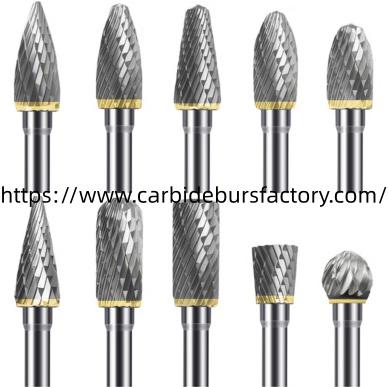
Carbide Rotary Tool selection starts with the intended machining operation, workpiece material, and required surface finish. For industrial buyers, the decision involves more than comparing prices or appearance. Product dimensions, cutting geometry, machine compatibility, manufacturing consistency, and supplier communication all influence suitability. Reviewing these factors before ordering helps businesses reduce specification mismatches and plan purchasing requirements with greater clarity.
Identify the Intended Machining Application
Begin by defining the task the product needs to perform. Metal fabrication, edge deburring, surface finishing, and material removal can require different shapes and cutting characteristics. A profile designed for narrow grooves may not suit a broad surface, while a configuration intended for general finishing may not meet the demands of heavier material removal.
Buyers should identify the workpiece material, target area, required finish, and accessibility of the machining location. Sharing these details with a manufacturer helps narrow the available choices. Drawings, photographs, and sample components can also provide useful information when the application involves unusual contours or limited working space.
Confirm Dimensions and Product Geometry
Head shape, diameter, overall length, and shank dimensions are important purchasing considerations. Each specification should correspond to the workpiece design and the equipment used during production.
Shank compatibility deserves particular attention. Buyers should verify measurements against the machine or holding system specifications instead of relying on visual estimates. An incorrect fit may affect stability and machining consistency.
Working length should also match the application. A longer configuration may provide access to recessed areas, while a shorter design can offer better control in some operations. Comparing technical drawings and product measurements before ordering helps prevent avoidable compatibility issues.
Evaluate Material and Operating Conditions
The workpiece material affects the selection of cutting accessories. Different metals and other industrial materials can require different cutting characteristics and operating practices. Buyers should explain the intended application, operating speed, workload, and expected production frequency when discussing product options with a manufacturer.
Operating conditions can influence surface quality, wear, and service life. Excessive pressure, unsuitable speeds, or improper handling may cause inconsistent results. The purchasing decision should therefore consider both the product specifications and the working practices used by the production team.
Where technical guidance is available, buyers should review the recommended operating conditions before confirming an order. This step helps establish whether a proposed configuration is appropriate for the intended process.
Review Manufacturing and Quality Controls
Manufacturing consistency matters when products are purchased in volume or used across several production stations. Differences in dimensions, cutting edges, or surface condition may lead to inconsistent results and additional adjustments.
Before placing a bulk order, ask about material control, dimensional inspection, production monitoring, and final verification. Buyers may also request relevant specifications or quality documents to understand which characteristics are checked during production.
Packaging is another practical consideration. Clear product identification and suitable protection help purchasing teams organize inventory, distinguish between configurations, and prepare items for use. For repeat orders, consistent specification records can simplify communication and reduce confusion.
Clarify Customization and Purchasing Requirements
Some applications require specific dimensions, profiles, shank configurations, or packaging arrangements. Buyers should provide technical drawings and measurable requirements whenever possible. If the design is still being developed, explaining the intended function and key restrictions can help the manufacturer assess possible options.
Before confirming an order, discuss sample availability, minimum quantities, production schedules, delivery expectations, and procedures for handling specification changes. These details are particularly important when several configurations are included in one purchase.
A written specification gives both parties a shared reference throughout the order process. It can also support future replenishment when the same design is required again.
Compare Quotations Beyond Price
A useful quotation should provide enough information to compare product specifications, quantities, inspection arrangements, packaging, and delivery terms. A low quoted price alone does not establish whether an option fits the intended application.
Buyers can prepare a checklist covering dimensions, material compatibility, machine requirements, expected workload, quality documentation, and shipment details. Asking suppliers to address the same points makes comparisons more consistent and helps identify missing information before an order is approved.
For ongoing supply arrangements, communication and recordkeeping are also worth evaluating. Clear responses, accurate specifications, and organized order documentation can help businesses coordinate purchasing with production schedules.When comparing industrial cutting accessories, buyers can make a more informed decision by reviewing application needs, dimensional requirements, manufacturing controls, and order conditions together. To review available configurations and discuss specific requirements, visit https://www.carbidebursfactory.com/product/ Sharing drawings, expected quantities, and intended applications with carbidebursfactory can help establish whether its available options align with your production needs.

 English
 Arabic
 French
 Spanish
 Portuguese
 Deutsch
 Turkish
 Dutch
 Italiano
 Russian
 Romaian
 Greek