


Practical Buying Considerations for Compact Welding Equipment
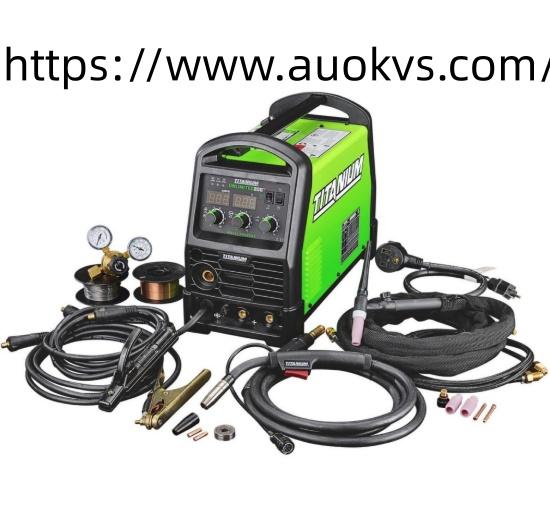
Metalworking often involves repairs and fabrication tasks that cannot always be completed at a fixed workbench. A damaged bracket may need attention beside installed equipment, a metal frame may require adjustment at a job site, or a workshop technician may need to move between different work areas throughout the day. In these situations, a Handheld ARC Welder can offer a practical way to carry manual arc welding capability between tasks. Choosing the right machine involves more than portability, since construction materials, welding process compatibility, control design, operator comfort, and maintenance requirements all affect its suitability for everyday work.
The materials used in a welding machine influence its durability, handling, and ability to withstand workshop conditions. The outer housing may use engineered plastic to reduce carrying weight, while internal metal components support electrical connections and the power conversion system. Insulation materials help separate electrical parts, and protective covers help shield internal assemblies from accidental contact and external debris. Cable jackets, electrode holders, connectors, and grounding clamps also deserve attention because they are repeatedly handled during setup and operation. Buyers should inspect the overall construction and assembly quality rather than judging a machine by its exterior finish alone. The working environment, storage conditions, and frequency of use should guide material and construction choices.
Selecting suitable equipment begins with identifying the type of welding work involved. Manual metal arc welding is commonly used for repairs, maintenance, and fabrication involving compatible metal workpieces. Buyers should check which welding process the machine supports, which electrodes are suitable, and whether the intended materials can be joined using the selected method. The availability of replacement accessories and clear operating instructions can also influence the purchasing decision. For occasional repairs, straightforward controls may be more useful than a complicated interface. For regular workshop use, operators may place greater emphasis on handling comfort, dependable operation, service support, and the ease of obtaining compatible consumables.
Inverter technology has changed the design of portable welding equipment by allowing electrical power to be converted and controlled through electronic circuitry. Compared with traditional transformer-based designs, inverter systems can support more compact machine construction and more responsive output control. Depending on the model, features such as Hot Start can assist with initiating an arc, while Arc Force can help maintain arc continuity under changing welding conditions. Overcurrent protection and thermal management also contribute to equipment operation when correctly designed and used. These features do not eliminate the need for operator skill, suitable electrode selection, or correct preparation of the workpiece. Their value depends on how well the machine's functions match the welding task.
The operator's experience begins with handling the equipment before welding starts. A balanced grip, accessible controls, secure cable connections, and a display that is easy to read can make setup more convenient. A compact design may help when the machine needs to be carried through a workshop or positioned near a repair area. However, portability should not be confused with suitability for every job. The intended duty cycle, available electrical supply, ventilation requirements, and welding conditions must still be considered. Operators should also confirm that the machine's cables and accessories provide appropriate reach without creating unnecessary trip hazards or restricting movement around the workpiece.
Safety and maintenance are essential parts of the user experience. Arc welding produces intense light, heat, sparks, fumes, and electrical hazards, so the work area must be prepared appropriately. Operators should use suitable welding protection, maintain adequate ventilation, inspect cables and connectors, and follow the manufacturer's instructions. Flammable materials should be kept away from sparks, and the workpiece must be properly secured before welding begins. Routine checks can reveal damaged insulation, loose connections, blocked ventilation openings, or signs of overheating. A machine that is easy to inspect and store can help users incorporate these checks into their normal working habits rather than treating maintenance as an afterthought.
Product design also influences how welding equipment fits into a user's working routine. A well-organized housing can provide clear separation between the control area, ventilation openings, and cable connections. A visible display helps operators check settings without repeatedly changing their position, while accessible adjustment controls support a more direct setup process. Color and surface finish may help distinguish product versions or establish a consistent brand identity, particularly for distributors offering multiple tool categories. For manufacturers developing private-label equipment, housing appearance, labels, manuals, and packaging can be coordinated to create a consistent product presentation without compromising the practical requirements of the machine.
Taizhou ChuangLi Electronic Technology Co., Ltd. manufactures welding equipment for repair, fabrication, and other metalworking applications, including handheld arc welders and inverter-based welding machines. Its product range includes portable designs intended to make equipment easier to handle across different working environments, with OEM and ODM services available for selected product configurations. Buyers can review the intended welding process, compatible materials, electrical requirements, included accessories, and safety documentation before choosing a suitable model. To explore the company's handheld welding equipment and related product options, visit https://www.auokvs.com/product/

 English
 Arabic
 French
 Spanish
 Portuguese
 Deutsch
 Turkish
 Dutch
 Italiano
 Russian
 Portuguese (Brazil)
 Greek