


What Are the Signs of Recovering From Anxiety?
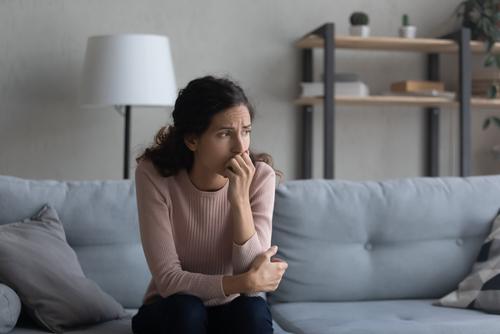
Recovering from anxiety does not always happen overnight. Some days may feel easier, while others may bring back worry, nervousness, or physical discomfort. Even when progress seems slow, small changes in how you think, feel, and respond to stressful situations can be signs that your anxiety is improving.
Anxiety recovery looks different for everyone. Some people notice that they worry less, while others find it easier to sleep, socialize, make decisions, or complete daily tasks. Understanding the signs of recovering from anxiety can help you recognize progress and continue building healthier coping habits.
What Does Recovery From Anxiety Mean?
Recovery from anxiety does not necessarily mean never feeling worried or nervous again. Anxiety is a normal human emotion that can help people respond to challenges. The problem begins when fear and worry become excessive and interfere with everyday life.
For many people, recovery means learning to manage anxious thoughts, respond to stressful situations more effectively, and continue with daily activities without being controlled by fear. Symptoms may become less intense, happen less often, or feel easier to handle.
Progress is not always steady. You may feel confident for several days and then experience anxiety during a stressful event. This does not automatically mean you have lost your progress. Recovery often involves learning how to respond to difficult moments without letting them take over your life.
What Are the Signs of Recovering From Anxiety?
There are several changes that may suggest anxiety is becoming more manageable. You may notice improvements in your thoughts, emotions, physical symptoms, or daily behavior.
You Worry Less About Everyday Situations
One of the first signs of anxiety recovery is that everyday situations may no longer feel as frightening as they once did. You might spend less time worrying about conversations, appointments, work responsibilities, or future events.
Anxious thoughts may still appear, but they may not occupy your mind for as long. You may also become better at recognizing when you are imagining a negative outcome rather than responding to an actual problem.
You Can Manage Anxious Thoughts More Easily
Recovery does not mean every negative thought disappears. Instead, you may become more comfortable allowing a thought to pass without analyzing it repeatedly.
For example, you might feel nervous before an important meeting but remind yourself that feeling anxious does not mean something bad will happen. Rather than spending hours imagining possible mistakes, you may be able to focus on preparing for the meeting.
This ability to respond to thoughts differently can be an important sign of progress.
Physical Anxiety Symptoms Become Less Intense
Anxiety can cause physical symptoms such as a racing heart, muscle tension, sweating, stomach discomfort, headaches, and restlessness. As anxiety becomes more manageable, some people notice these symptoms occur less frequently or feel less intense.
You may also find that your body settles more quickly after a stressful situation. However, physical symptoms can have causes other than anxiety. New, severe, or persistent symptoms should be discussed with a healthcare professional.
You Sleep Better at Night
Anxiety can make it difficult to fall asleep because your mind keeps returning to worries and unfinished tasks. You may replay conversations, think about future responsibilities, or feel uneasy when everything becomes quiet.
As anxiety improves, you may find it easier to relax before bed and spend less time caught in anxious thoughts. Better sleep can also support emotional regulation and make everyday stress easier to manage.
Sleep improvements may happen gradually, so occasional restless nights do not necessarily mean your recovery has stopped.
You Feel More Comfortable Facing Your Fears
Avoiding situations that cause anxiety can provide temporary relief, but it may also keep the fear going. A positive sign of recovery is becoming more willing to face situations that previously felt overwhelming.
You might begin attending social events, making phone calls, traveling, or completing tasks you once avoided. You may still feel nervous, but you are increasingly able to take action despite the discomfort.
Progress does not require forcing yourself into every difficult situation at once. Gradual steps that match your needs and treatment plan can help you build confidence.
You Spend More Time Enjoying Daily Life
When anxiety takes up much of your attention, it can be difficult to enjoy hobbies, relationships, or simple daily activities. You may spend more time anticipating problems than experiencing the present moment.
As symptoms improve, you may find yourself laughing with friends, enjoying a favorite activity, or concentrating on work without constantly checking how anxious you feel.
These moments may seem small, but they can show that anxiety is taking up less space in your daily life.
You Feel More Confident Making Decisions
Anxiety can make even simple decisions difficult. You may repeatedly question your choices, seek reassurance, or fear that a small mistake will lead to serious consequences.
During recovery, you may become more comfortable making reasonable decisions without reviewing every possible outcome. You may also learn to accept that not every situation can be controlled or predicted.
This does not mean you will never have doubts. It means doubts may become less likely to prevent you from moving forward.
How Long Does It Take to Recover From Anxiety?
There is no fixed timeline for anxiety recovery. Some people notice changes within a few weeks of starting treatment, while others need more time to develop coping skills and experience lasting improvement.
Recovery can depend on the type and severity of anxiety, how long symptoms have been present, other health conditions, daily stress, and the support available. Progress may also vary depending on the treatment approach and how well it meets the person's needs.
Instead of measuring recovery by a specific date, look at changes over time. You may be recovering even if you still experience occasional worry, provided that symptoms are becoming easier to manage and interfering less with your life.
Can Anxiety Symptoms Return During Recovery?
Yes, anxiety symptoms can return during recovery, especially during stressful life events, changes in routine, or periods of poor sleep. Temporary increases in anxiety do not automatically mean that treatment has failed.
It may help to notice what triggered the symptoms and return to the coping strategies that have supported you. Try to maintain healthy routines, stay connected with supportive people, and avoid judging yourself for having a difficult day.
If anxiety becomes intense again or begins interfering with your daily responsibilities, consider speaking with your mental health provider. Your treatment plan may need adjustment, and seeking additional support is a normal part of caring for your mental health.
What Can Help You Recover From Anxiety?
Consistent habits and appropriate treatment can support anxiety recovery. Regular sleep, physical activity, balanced meals, and time for relaxation can help support overall well-being.
Cognitive Behavioral Therapy (CBT) is a commonly used treatment for anxiety disorders. It helps people identify unhelpful thinking patterns, understand avoidance behaviors, and practice healthier responses to stressful situations. Depending on the type of anxiety, other forms of therapy or psychiatric medication management may also be appropriate.
Renewed Mental Health Group provides personalized psychiatric care through Telepsychiatry services and in-person office visits. Individuals experiencing anxiety can seek professional guidance to understand their symptoms and explore treatment options suited to their needs.
If you are searching online using the phrase Medi-Cal Insurance accept, contact the provider directly to confirm whether Medi-Cal coverage is accepted for the services you need. Insurance participation and eligibility can vary, so verify your benefits before scheduling an appointment.
Final Thoughts
The signs of recovering from anxiety may include worrying less, managing anxious thoughts more effectively, sleeping better, facing feared situations, and feeling more confident in everyday life. These changes may happen gradually rather than all at once.
Remember that recovery does not mean you must feel calm every day. Occasional anxiety is a normal part of life, and a difficult day does not erase the progress you have made. With consistent coping strategies, appropriate treatment, and professional support when needed, it is possible to manage anxiety and build a more balanced daily life.

 English
 Arabic
 French
 Spanish
 Portuguese
 Deutsch
 Turkish
 Dutch
 Italiano
 Russian
 Portuguese (Brazil)
 Greek