


How Do You Know When Luxin Metal Gate Hinges Need Replacing
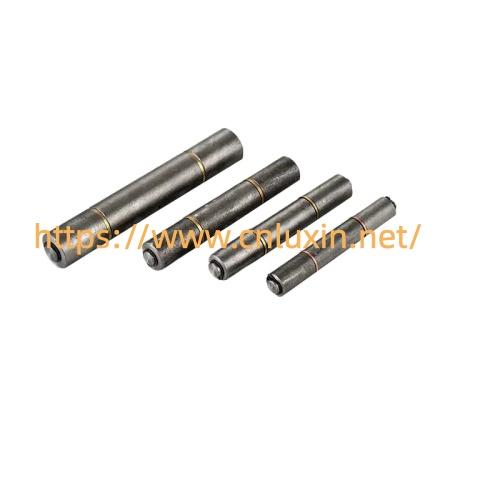
Metal Gate Hinges can remain in service for years when properly selected and maintained, but repeated repairs may eventually signal that replacement deserves consideration. A stubborn entrance, uneven movement, or recurring noise does not automatically mean new hardware is necessary. The important question is whether the fault comes from a replaceable wear component, a damaged mounting connection, or a structural problem that routine maintenance cannot resolve.
Consider a commercial entrance that becomes harder to operate every few months. The maintenance team lubricates the pivot, tightens the fasteners, and adjusts the closing position. For a while, everything seems normal. Then the same symptoms return. This pattern suggests that the original cause has not been fully addressed. Before approving another repair, inspect the moving assembly and its supporting structure to determine whether the existing parts remain suitable for continued use.
One warning sign is excessive movement around the pivot. A small amount of movement may be normal for certain designs, but noticeable looseness, uneven rotation, or a visible groove on a pin can indicate wear. If the design allows individual pins or bushings to be replaced, servicing those parts may restore proper movement. When the main body is distorted, cracked, or badly worn, replacing the complete component may be more practical than repeatedly repairing individual sections.
Corrosion requires a closer look, especially in locations exposed to rain, coastal air, cleaning chemicals, or standing moisture. Light surface rust does not necessarily require replacement. Cleaning the affected area and restoring its protective coating may be sufficient if the underlying material remains sound. Deep pitting, flaking metal, weakened attachment points, and corrosion around welded joints present a different situation. When the material has lost substantial thickness, covering the surface with fresh paint will not restore its original strength.
Another important sign is a connection that repeatedly becomes loose. Tightening fasteners may solve a minor problem, but recurring movement can indicate enlarged mounting holes, damaged threads, cracked welds, or a shifting support post. Replacing the moving hardware without correcting the attachment problem may simply transfer the same issue to the new part. Inspect the surrounding structure before deciding which components need attention.
Alignment also provides useful clues. If the free end begins scraping the ground or the latch no longer meets its receiver, the assembly may have dropped or shifted. However, replacement should not be the automatic response. Changes in the foundation, a bent frame, or an uneven supporting post can produce similar symptoms. Measure the clearances, compare the alignment at different points, and check whether the supporting structure remains stable. A qualified technician can help distinguish hardware wear from structural movement when the cause is unclear.
The decision becomes easier when repair costs and operating needs are considered together. A straightforward pin replacement or lubrication service may be reasonable when the main body remains intact and compatible spare parts are available. By contrast, repeated labor charges, unavailable replacement parts, extensive corrosion, or recurring mechanical problems may justify installing a new assembly. For facilities that depend on frequent access, the disruption caused by repeated maintenance also deserves consideration.
Choosing a replacement requires more than matching the external appearance. Check the total weight of the moving panel, its width, the spacing between pivot points, the installation dimensions, and how frequently it operates. A wide structure can place considerable leverage on its mounting points. Confirm the rated capacity and intended application with the supplier rather than relying on appearance alone. Material selection and protective finishes should also reflect local weather and exposure to moisture or chemicals.
Installation quality remains essential after the new parts arrive. The supporting posts must be stable, mounting surfaces should be sound, and pivot points need appropriate alignment. Once installation is complete, test the movement carefully and check for unusual resistance, scraping, or looseness. Large or unstable structures should be supported by qualified professionals during removal and installation. Powered systems should remain disconnected until the mechanical assembly has been checked and the required safety features are functioning.
For distributors, contractors, and equipment manufacturers, having clear specifications makes replacement planning easier. Luxin provides a starting point for reviewing industrial hardware options and discussing product requirements for different applications. By confirming dimensions, load conditions, material preferences, and installation details before ordering, buyers can make more informed decisions and reduce avoidable compatibility issues. Visit https://www.cnluxin.net/product/ to review available product information and consider suitable options for your next maintenance or manufacturing project.

 English
 Arabic
 French
 Portuguese
 Deutsch
 Turkish
 Dutch
 Italiano
 Russian
 Romaian
 Portuguese (Brazil)
 Greek