


How to Choose a Motorcycle Chain for Style and Reliability
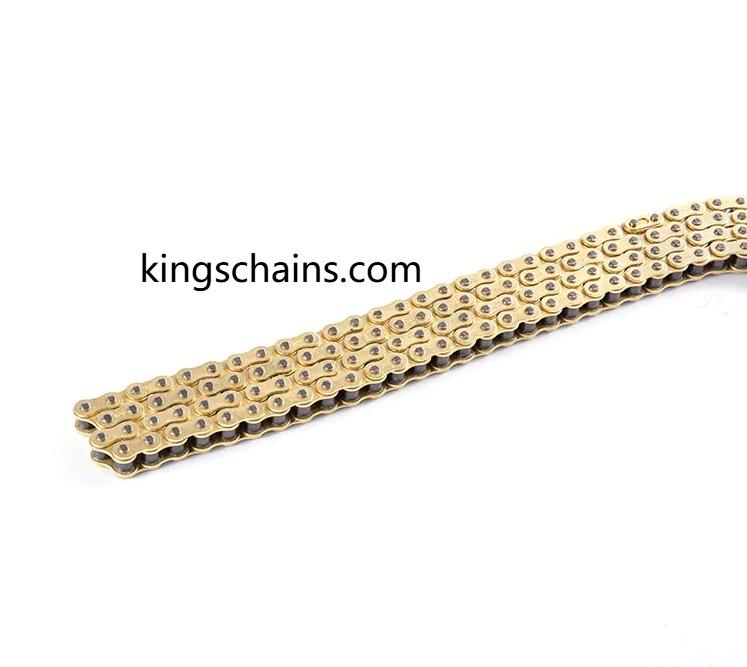
Motorcycle customization is not limited to bodywork, paint, or exhaust components. The drivetrain also contributes to a motorcycle's overall character, and a Gold Motorcycle Chain can introduce a distinctive metallic accent while performing the essential task of transferring power from the engine to the rear wheel. For riders, repair shops, and motorcycle parts distributors, selecting the right chain involves understanding its construction, surface finish, operating conditions, and compatibility with the motorcycle's existing drivetrain.
The materials inside a motorcycle chain matter far more than its exterior color. Chain plates, pins, bushings, and rollers work together under repeated movement and mechanical load. Steel is commonly used because its properties can support the strength and wear resistance required for drive transmission. However, material selection alone does not determine product quality. Heat treatment, component geometry, machining accuracy, and assembly consistency also influence how the chain behaves during use. Buyers should therefore consider the manufacturing process and intended application rather than assuming that two chains with similar appearances will deliver equivalent results.
Surface finishing creates another important distinction between products. A gold-colored finish can give a chain a coordinated appearance when paired with colored wheels, metallic components, or customized motorcycle bodywork. Depending on the product, the finish may involve a protective surface treatment intended to support corrosion resistance as well as visual appeal. Buyers should ask manufacturers how the finish is applied, how it should be maintained, and whether cleaning products could affect its appearance. The underlying chain construction remains essential because decorative treatment cannot compensate for unsuitable materials, poor assembly, or inadequate manufacturing control.
Choosing a suitable chain starts with compatibility. Riders should identify the chain type recommended for their motorcycle and confirm that the replacement matches the existing sprockets and drivetrain arrangement. The intended riding environment is also relevant. Everyday commuting, recreational riding, and demanding off-road use can place different requirements on chain construction and maintenance. A standard non-sealed chain may appeal to users who prefer a straightforward structure and direct maintenance access. Sealed designs, including O-ring and X-ring chains, incorporate sealing elements intended to help retain lubricant around internal contact areas and limit contamination. The appropriate option depends on the motorcycle, operating conditions, and maintenance preferences.
Technical design influences how effectively the chain transfers power. Each link must articulate smoothly as it moves around the sprockets, while the interacting pins, bushings, and rollers experience repeated contact. Manufacturing accuracy helps maintain consistent engagement, and appropriate heat treatment can support resistance to wear. Sealed construction adds another consideration because the sealing elements must work with the surrounding components without interfering with normal movement. Buyers comparing products should review the manufacturer's information about chain construction, intended applications, maintenance, and compatibility. They should avoid selecting a chain based on color or appearance alone, especially when the motorcycle will be used regularly or in demanding conditions.
The ownership experience depends on routine care as much as initial product quality. Chain lubrication helps manage friction between moving components, while cleaning removes accumulated road grime and other contaminants. Correct tension and alignment are also important because an improperly adjusted chain can contribute to accelerated wear, noise, and drivetrain problems. Inspection provides an opportunity to identify stiff links, unusual wear, damaged seals, or other signs that maintenance may be required. Riders should follow the motorcycle manufacturer's recommendations and use cleaning and lubrication products appropriate for their chain type. These habits help preserve both mechanical function and the appearance of a decorative finish.
Appearance can influence purchasing decisions for individual riders and businesses developing motorcycle accessory collections. Gold finishes can complement warm metallic details, contrasting wheel colors, or a coordinated custom build. Some riders prefer a bright, reflective appearance, while others favor a more subdued finish that blends with darker components. The visual result depends on the relationship between the chain, sprockets, wheels, and surrounding hardware. For retailers, offering clearly presented product images and accurate descriptions helps customers understand finish differences without confusing decorative features with technical performance. Packaging and consistent product presentation can also matter to distributors building a recognizable parts range.
Manufacturing consistency becomes particularly important when chains are sourced for resale or private-label programs. Buyers may need to assess component quality, surface treatment, inspection procedures, packaging options, and communication with the manufacturer. Jiangshan Wangpai Chain Industry Co., Ltd. specializes in motorcycle and industrial chains, with product categories that include standard, reinforced, sealed, and solid-bush motorcycle chains. Its manufacturing and testing facilities support production across different chain designs, allowing buyers to explore options according to their application and market requirements. For product details, chain selection information, and potential sourcing arrangements, visit https://www.kingschains.com/

 English
 Arabic
 French
 Spanish
 Portuguese
 Deutsch
 Turkish
 Italiano
 Russian
 Romaian
 Portuguese (Brazil)
 Greek