


Espresso Blend Coffee Basics: How to Pull Better Shots Every Single Morning
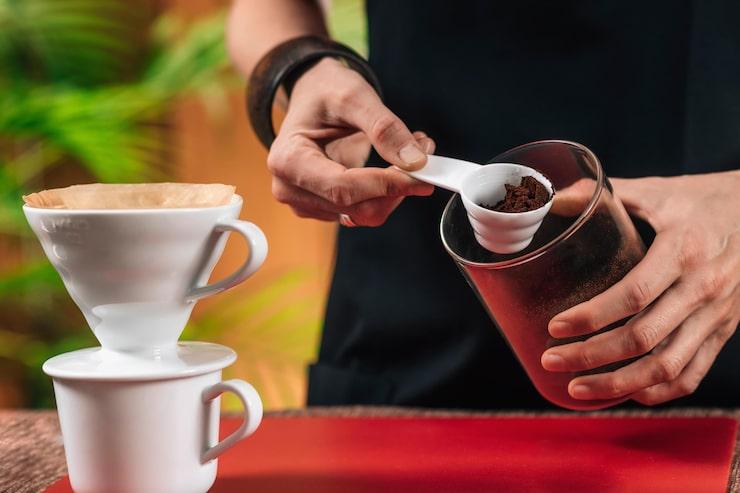
A good shot of espresso feels like a small event. The aroma fills the kitchen, the crema settles into a golden cap, and the first sip lands sweet instead of sharp. Much of that experience starts with the beans, and espresso blend coffee is designed specifically to make it happen reliably.
This guide follows one shot from start to finish. We will cover what makes a blend suitable for espresso, how to set up your routine, and how to fix common problems. Nothing here requires a professional setup. A steady hand, a scale, and some curiosity will carry you a long way.
Step One: Understand Why Espresso Blend Coffee Works
Espresso is unforgiving. Hot water pushes through finely ground coffee in less than thirty seconds, so every flaw gets magnified. A single bean can taste wonderful in a pour over yet turn sharp or thin under pressure. Blends solve that problem by combining components that cover for one another.
One bean might add body, another adds sweetness, and a third offers a little brightness. Together, they create a cup that tastes rounded instead of lopsided. That is why coffee blends have long been a favorite for espresso, especially among people who want dependable results without constant fiddling.
Step Two: Set Up Your Routine for Espresso Blend Coffee
Consistency matters more than fancy gear. Before you pull a shot, get these basics ready:
-
A scale that measures to a tenth of a gram
-
A grinder that offers fine, repeatable adjustments
-
A clean portafilter and basket
-
A timer, even if it is just your phone
With these in place, you can change one variable at a time and know what caused the result. Espresso blend coffee responds clearly to small adjustments, so a tidy routine turns each shot into a useful lesson rather than a guess.
A Starting Recipe for Espresso Blend Coffee
Try eighteen grams of ground coffee in the basket and aim for about thirty six grams of liquid in the cup. Let the shot run for roughly twenty five to thirty seconds. Treat these numbers as a starting point, not a rule, because every machine and every bag behaves a little differently.
Step Three: Dial In Your Grind With Coffee Blends
Grind size is your main steering wheel. If the shot runs too fast and tastes sour or thin, grind finer. If it drips slowly and tastes bitter or harsh, grind coarser. Make small changes, pull another shot, and taste again. Patience here saves a lot of coffee and a lot of frustration.
Keep short notes as you go. Write the dose, the yield, the time, and one word describing the taste. After four or five shots, a pattern appears, and coffee blends stop feeling mysterious. You begin to predict how a change will taste before you even start the machine.
Troubleshooting Common Espresso Problems
Most issues fall into a few simple categories:
-
Sour and watery: grind finer or extend the shot slightly.
-
Bitter and dry: grind coarser or shorten the shot.
-
Uneven flow: check that the coffee bed is level and tamped evenly.
-
Thin crema: confirm the beans are fresh and rested.
Work through the list in order and change only one thing at a time. Espresso blend coffee is generous once the basics are right, and most disappointing shots turn out to be small, fixable problems rather than anything wrong with the beans.
Step Four: Respect Freshness and Rest
Freshness has a surprising effect on espresso. Beans that are very young release a lot of gas, which can make shots foamy and uneven. Many espresso fans let beans rest for several days after roasting, then use them within a few weeks. That window usually gives the smoothest crema and the sweetest finish.
Storage matters just as much. Keep the bag in a cool, dark cupboard and reseal it after every scoop. Grind only what you need for each shot. These habits protect the flavor that the roaster worked to build into the blend, and they cost nothing beyond a little attention each morning.
Why Espresso Blend Coffee Loves Milk Too
Many people drink espresso with steamed milk, and blends handle that well. Their chocolate and caramel notes stay present even when milk softens the edges. If you enjoy flat whites or cortados, an espresso blend coffee with a sweet, full body will usually taste more satisfying than a bright, delicate single bean.
Step Five: Taste Like a Coach
Take a moment with each shot. Notice the aroma first, then the texture, then the finish. Ask whether it tastes balanced, and whether you would want a second sip. Those simple questions guide your next adjustment better than any chart, because your own palate is the final judge of what tastes good.
Share a shot with a friend if you can. Another person often notices things you miss, such as a faint nuttiness or a lingering sweetness. Comparing impressions makes the whole hobby more fun, and it sharpens your sense of what you actually want from your coffee blends.
Final Thoughts on Espresso Blend Coffee
Great espresso is built from small, repeatable habits. Choose a blend made for the job, measure carefully, adjust your grind patiently, and keep your beans fresh. Each step is simple, and together they turn an intimidating drink into a morning pleasure you can count on.
Start with the recipe above and let your taste refine it. Within a couple of weeks, you will know your machine, your grinder, and your preferences far better than before. Then every shot of espresso blend coffee becomes less of an experiment and more of a quiet daily reward.

 English
 Arabic
 French
 Spanish
 Portuguese
 Deutsch
 Turkish
 Dutch
 Italiano
 Russian
 Portuguese (Brazil)
 Greek