


Anxiety Stress and Depression - Understanding Emotional Challenges and Finding the Right Support
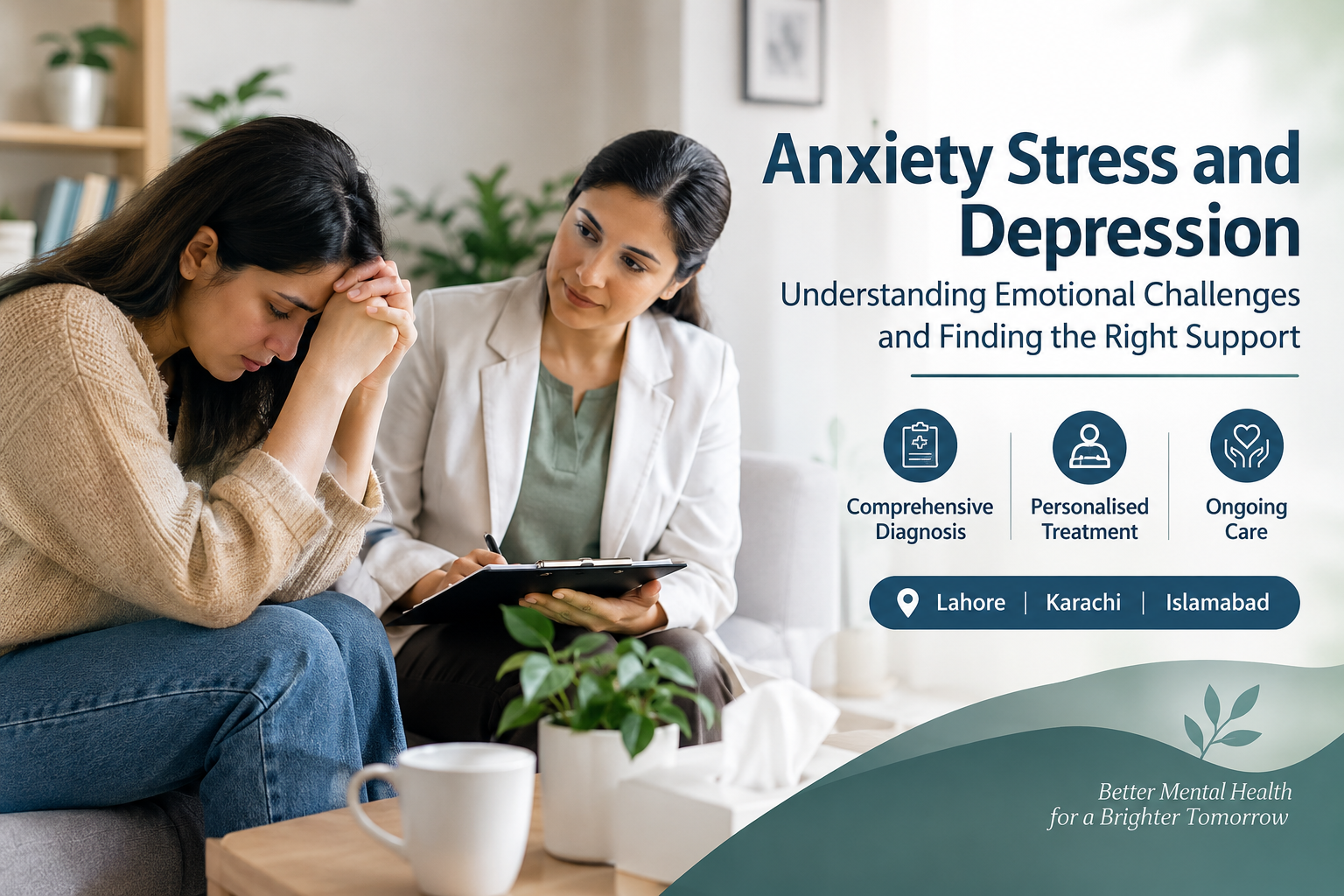
Anxiety Stress and Depression - Understanding Emotional Challenges and Finding the Right Support
Introduction to Anxiety Stress and Depression
Anxiety stress and depression can affect the way people think, feel, work, and interact with others. Although these experiences are different, they can sometimes occur together and make ordinary responsibilities feel overwhelming. Work pressure, family concerns, financial difficulties, major life changes, and ongoing uncertainty may contribute to emotional strain. Understanding these challenges is an important step toward finding healthier ways to manage them. With appropriate support, practical coping strategies, and professional guidance when needed, individuals can work toward improving their emotional well-being and quality of life.
Understanding the Difference Between Anxiety, Stress, and Depression
Recognizing the differences between anxiety, stress, and depression can help people better understand their emotional experiences. While some symptoms overlap, each condition has its own characteristics.
What Is Stress?
Stress is the body's response to pressure, demands, or challenging situations. It may develop when someone faces a demanding job, academic deadlines, relationship difficulties, or unexpected responsibilities. Short-term stress can sometimes encourage people to take action, but persistent stress may interfere with concentration, sleep, physical comfort, and daily routines.
Common signs include irritability, muscle tension, headaches, fatigue, difficulty concentrating, and changes in sleeping patterns. Identifying sources of stress and making manageable adjustments can help reduce its impact.
How Anxiety Can Affect Daily Life
Anxiety involves feelings of worry, nervousness, or fear about possible problems or future events. Occasional anxiety is a normal human response, but ongoing or excessive anxiety may interfere with everyday activities.
People experiencing anxiety may struggle with racing thoughts, restlessness, rapid heartbeat, excessive worrying, or difficulty relaxing. Some may avoid particular situations because they fear something negative will happen. When these feelings become persistent or difficult to control, speaking with a qualified mental health professional may be helpful.
Recognizing Depression
Depression is more than temporary sadness or disappointment. It can involve persistent low mood, reduced interest in previously enjoyable activities, low energy, feelings of worthlessness, and changes in appetite or sleep.
Some individuals find it difficult to complete everyday tasks, maintain relationships, or concentrate on their responsibilities. Depression affects people differently, and its causes may involve biological, psychological, and environmental factors. Professional assessment can help determine the most appropriate support.
Anxiety Stress and Depression - Common Causes and Contributing Factors
Anxiety stress and depression may develop through a combination of circumstances rather than one single cause. Understanding possible contributing factors can help individuals recognize when they need additional support.
Common contributing factors include:
-
Workplace pressure. Heavy workloads, job insecurity, and demanding schedules can create ongoing emotional strain.
-
Financial concerns. Debt, rising expenses, and uncertainty about the future may increase worry.
-
Relationship difficulties. Family disagreements, separation, loneliness, or limited social support can affect emotional health.
-
Major life changes. Relocation, bereavement, academic challenges, and changes in employment may require significant emotional adjustment.
-
Health-related challenges. Physical illness, chronic discomfort, and disrupted sleep can influence mood and stress levels.
-
Personal vulnerability. Previous experiences, family history, and individual coping patterns may affect how someone responds to difficult circumstances.
Experiencing these factors does not automatically mean a person has a mental health condition. Symptoms, their duration, and their effect on everyday life are important considerations when seeking professional advice.
Practical Ways to Manage Emotional Stress
Maintaining healthy daily habits can help support emotional balance and improve overall mental well-being. Although lifestyle changes cannot replace professional treatment when it is needed, they may help people manage everyday pressures more effectively.
Develop a Consistent Daily Routine
A predictable routine can make responsibilities feel more manageable. Setting realistic priorities, breaking large tasks into smaller steps, and scheduling regular breaks may reduce feelings of being overwhelmed. Rather than trying to complete everything at once, focus on a few achievable goals each day.
Prioritize Sleep and Physical Activity
Regular sleep supports concentration, energy, and emotional regulation. Maintaining consistent sleeping hours and reducing stimulating activities before bedtime may encourage better rest.
Physical activity can also support mental well-being. Walking, stretching, cycling, or another enjoyable form of movement may help release tension and create a sense of accomplishment. Start with activities that fit your current abilities and schedule.
Practice Relaxation Techniques
Slow breathing, mindfulness, meditation, and gentle stretching may help people respond more calmly to stressful situations. Even a few quiet minutes can provide an opportunity to pause and notice thoughts without immediately reacting to them.
Different techniques work for different individuals, so experimenting with several approaches can help identify a suitable practice.
Maintain Supportive Relationships
Talking with a trusted friend, family member, or supportive colleague can reduce feelings of isolation. People do not always need advice; sometimes, having someone listen without judgment makes difficult experiences easier to discuss.
Professional Treatment Options for Anxiety Stress and Depression
When emotional difficulties persist or begin interfering with daily activities, professional support may be an important next stepThe most suitable treatment approach varies according to a person's symptoms, personal needs, life circumstances, and the recommendations of a qualified healthcare professional.
Counseling and Psychotherapy
Counseling provides a structured environment in which people can discuss concerns, identify unhelpful patterns, and develop healthier coping skills. Cognitive behavioral therapy (CBT), for example, helps individuals examine connections between thoughts, emotions, and behaviors.
Other therapeutic approaches may be appropriate depending on a person's needs. A qualified mental health professional can discuss available options and help establish realistic treatment goals.
Medical Evaluation and Medication
Some people may benefit from medication as part of a broader treatment plan. A qualified healthcare professional can evaluate symptoms, discuss potential benefits and side effects, and determine whether medication is appropriate.
People should always consult their healthcare professional before starting, discontinuing, or adjusting any prescribed medication.
. A medical assessment may also help identify physical health concerns that contribute to emotional symptoms.
Personalized Mental Health Support
Every person has different needs, so an approach that benefits one individual may not be equally effective for another.
Some people benefit from therapy, while others may need a combination of professional treatment, practical support, and Every person has different needs, so an approach that benefits one individual may not be equally effective for another. lifestyle adjustments. Regular follow-up appointments can help assess progress and identify areas where a treatment plan may need to change.
Seeking help is not a sign of weakness. It is a practical step toward understanding personal needs and building healthier ways to respond to life's challenges.
When Should You Seek Professional Help?
Seek guidance from a qualified mental health professional if emotional difficulties continue over time, feel overwhelming, or begin affecting your daily activities, studies, relationships, sleep, or responsibilities. .
Additional support may be particularly important when worry becomes uncontrollable, low mood continues for an extended period, or everyday activities feel increasingly difficult.
If someone is experiencing thoughts of suicide or self-harm, immediate support is essential. Call your local emergency service, go to the closest hospital emergency unit, or seek immediate support from someone you trust who can help keep you safe. . Do not wait for symptoms to become more severe before seeking assistance.
Building Long-Term Emotional Well-Being
Improving emotional health often involves gradual changes rather than a single solution. Setting realistic expectations, maintaining healthy boundaries, making time for enjoyable activities, and recognizing personal limits can support long-term well-being.
Everyone's journey is different, so it's important to focus on your own progress rather than measuring it against another person's experience. Recovery and improvement may happen at different speeds, and setbacks do not necessarily mean that progress has been lost.
Regularly checking in with yourself can help identify changing needs. Ask whether your current routine supports adequate rest, meaningful relationships, and manageable responsibilities. If not, consider making small adjustments or discussing your concerns with a professional.
Conclusion
Anxiety stress and depression can influence many aspects of everyday life, but understanding their symptoms and possible causes can make it easier to identify appropriate support. Healthy routines, supportive relationships, relaxation techniques, counseling, and medical care may all play a role in improving emotional well-being.
The most suitable approach depends on each person's circumstances and needs. By recognizing persistent symptoms, seeking qualified guidance when necessary, and taking manageable steps toward healthier habits, individuals can work toward a more balanced and fulfilling life. Everyone deserves compassionate support when facing emotional difficulties, and asking for help can be an important beginning.

 English
 Arabic
 French
 Spanish
 Portuguese
 Deutsch
 Turkish
 Italiano
 Russian
 Romaian
 Portuguese (Brazil)
 Greek