


Planning Irrigation and Ventilation in a Large Greenhouse
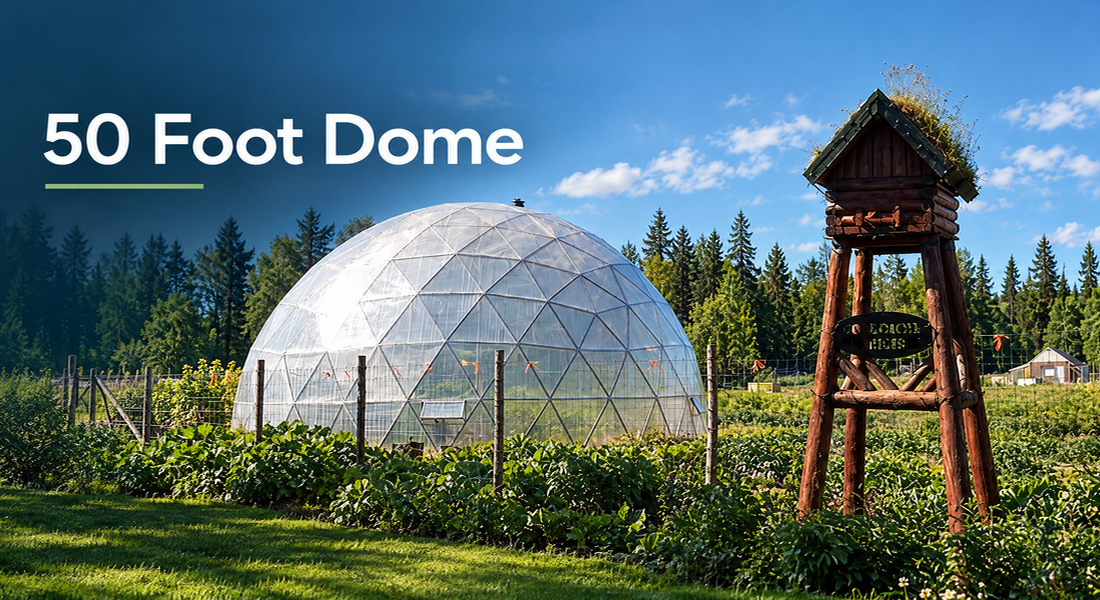
Managing water and airflow becomes increasingly important as a greenhouse grows in size. A 50 Foot Dome Greenhouse provides substantial room for growing vegetables, herbs, seedlings, and other plants, but maintaining consistent conditions requires a well-organized irrigation and ventilation plan. Without the right systems, some growing areas may receive too much water, while others may experience excessive heat or humidity.
A practical approach starts with understanding the greenhouse layout, the crops being cultivated, and the environmental conditions throughout the year. By planning these systems together, growers can create a more consistent growing environment and simplify daily maintenance.
1. Assess the Greenhouse Layout Before Installation
Before installing irrigation pipes or ventilation equipment, map out the interior growing areas. A large dome greenhouse can accommodate multiple planting beds, container rows, and work areas, but each section should have sufficient access for watering, pruning, harvesting, and equipment maintenance.
Begin by identifying where plants will grow and where water lines, valves, fans, and other equipment will be located. Keep main walkways clear so workers can move through the greenhouse without damaging plants or disturbing irrigation components.
The dome's curved structure may influence how growing beds and equipment are arranged. Plan around the available floor area and height rather than assuming every part of the interior will serve the same purpose.
It is also useful to identify areas that receive different amounts of sunlight or retain moisture for longer periods. These differences can affect both watering schedules and ventilation needs.
2. Choose an Irrigation System That Matches Your Crops
Different plants have different water requirements. Leafy greens, seedlings, fruiting vegetables, and container-grown herbs may need different watering frequencies and delivery methods.
Drip irrigation is a practical option for many greenhouse crops because it delivers water near the roots. When properly designed, it can reduce unnecessary wetting of foliage and help growers maintain more consistent soil moisture.
Other options include micro-sprinklers and hand watering for specific applications. The best choice depends on the crop, growing medium, water supply, and the level of automation required.
Before selecting a system, consider:
-
Crop requirements: Group plants with similar watering needs.
-
Water pressure: Check whether the supply can support all irrigation zones.
-
Filtration: Use suitable filters where needed to prevent emitters from becoming blocked.
-
Maintenance access: Position valves and filters where they can be inspected easily.
-
Water quality: Test the source when mineral content or other contaminants may affect plants or equipment.
A system designed around the actual planting plan is generally easier to manage than one installed before the growing areas are established.
3. Divide Irrigation Into Separate Zones
One irrigation schedule may not work for every crop in a large greenhouse. Dividing the growing space into separate watering zones gives growers more control over moisture levels and reduces the risk of overwatering or underwatering.
For example, seedlings could have their own zone, while mature vegetables receive water through a separate line. Container plants may also need different settings from plants growing in raised beds.
Each zone should have appropriate flow rates and accessible controls. If the system uses automated timers, establish schedules based on crop requirements, growing media, temperature, and seasonal conditions.
Check moisture levels regularly rather than relying entirely on fixed schedules. Plants may need less water during cool, cloudy periods and more during hot weather or periods of rapid growth.
4. Plan Ventilation for Heat and Humidity Control
Ventilation helps regulate temperature and remove excess moisture from the greenhouse. In a large dome, warm air can accumulate in upper areas, while dense planting and wet growing media may contribute to higher humidity.
Natural ventilation uses openings to allow air to move through the structure. Depending on the greenhouse configuration, this may involve roof-level vents, lower openings, or other manufacturer-supported ventilation options.
Mechanical ventilation can provide additional control when natural airflow is insufficient. Exhaust fans can remove warm air, while circulation fans help reduce stagnant pockets within the growing area.
The appropriate setup depends on local weather, greenhouse covering, crop requirements, and the available openings. Growers should check the manufacturer's specifications before adding equipment or modifying the structure.
5. Position Fans and Vents Carefully
Ventilation equipment works best when its placement supports airflow throughout the growing space. Installing fans without considering the layout may leave some areas poorly ventilated even when the equipment is running.
Start by identifying locations where heat or humidity tends to build up. Consider plant height, bed arrangement, walkways, and potential obstructions when positioning circulation fans.
Exhaust fans should be paired with suitable air inlets so replacement air can enter the greenhouse. The size and capacity of the equipment should be based on the structure and local conditions, not simply the floor area.
Avoid directing strong airflow continuously at delicate seedlings or plants that are sensitive to drying. Regularly inspect vents and fan blades for dust, debris, or other obstructions that could reduce performance.
6. Coordinate Watering With Ventilation
Irrigation and ventilation affect one another, so it makes sense to plan them as connected systems. Watering increases moisture in the growing environment, especially when plants are watered heavily or the growing medium remains wet for extended periods.
If humidity stays high, certain fungal and other plant diseases may become more likely. Excessive moisture can also affect plant growth and root health.
Drip irrigation can help keep foliage drier than overhead watering, although it does not eliminate the need for humidity management. Where practical, schedule watering early enough in the day for plants and the surrounding environment to dry before cooler nighttime conditions.
Use temperature and humidity readings to guide ventilation decisions. Automated controls can operate fans or vents when preset conditions are reached, but the settings should suit the crops being grown.
The aim is to maintain suitable conditions without wasting water or energy.
7. Monitor Water Use and Environmental Conditions
Monitoring helps identify problems before they cause significant crop losses. A large greenhouse can contain several different microclimates, particularly when plants vary in height or growing areas receive different amounts of sunlight.
Consider installing thermometers and humidity sensors in representative locations. Soil-moisture sensors can also help determine when specific growing zones need water.
Keep simple records of irrigation schedules, environmental readings, equipment adjustments, and crop performance. Over time, these records can reveal patterns such as a section that dries faster than others or a recurring humidity problem during particular weather conditions.
Inspect irrigation lines frequently for leaks, blocked emitters, and uneven water delivery. Ventilation equipment should also be checked regularly to confirm that fans, vents, and controls are working as intended.
These routine checks can help reduce waste, support healthier plants, and make maintenance more predictable.
8. Prepare Systems for Seasonal Changes
The demands placed on irrigation and ventilation systems change with the seasons. Hot weather may require more frequent watering and stronger ventilation, while cooler periods may reduce water demand and increase the risk of condensation.
During warm months, check whether the ventilation system can manage peak daytime temperatures. Shade cloth or other suitable measures may also be needed, depending on the crops and local climate.
In colder conditions, avoid watering more than necessary and monitor humidity carefully. If heating is used, coordinate it with ventilation to prevent unsuitable temperature fluctuations or excessive moisture.
Before each growing season, inspect pipes, valves, filters, vents, fans, and automated controls. Test the equipment before crops reach their most demanding growth stages.
For growers planning a new installation, Dome Greenhouses offers dome greenhouse options in different sizes and configurations. Reviewing the available structures and specifications can help you plan irrigation and ventilation around your intended growing operation.
Final Thoughts
A reliable irrigation and ventilation plan helps a large greenhouse maintain more consistent growing conditions. By dividing watering into practical zones, selecting appropriate equipment, positioning vents and fans carefully, and monitoring temperature and moisture, growers can manage their space more effectively.
A 50-foot dome greenhouse can accommodate a range of growing activities, but the best system depends on crop selection, climate, water availability, and the structure's specific configuration. Careful planning before installation, followed by regular maintenance and adjustments, can help support healthy crops and efficient greenhouse management.
Frequently Asked Questions
1. What irrigation system works well in a large greenhouse?
Drip irrigation is suitable for many greenhouse crops because it delivers water near plant roots. The best system depends on crop type, growing medium, water quality, and the layout of the growing areas.
2. Why is ventilation important in a dome greenhouse?
Ventilation helps regulate temperature, remove excess humidity, and maintain airflow. These functions support plant health and can reduce conditions that favor certain plant diseases.
3. Should a large greenhouse have separate irrigation zones?
Yes, separate zones can help growers meet the different watering needs of seedlings, vegetables, containers, and raised beds.
4. How can growers control greenhouse humidity?
Approaches include appropriate ventilation, circulation fans, careful irrigation scheduling, suitable plant spacing, and regular monitoring with humidity sensors.
5. How often should greenhouse irrigation and ventilation equipment be checked?
Inspect the systems regularly during the growing season. Check irrigation lines for leaks or blockages and confirm that fans, vents, sensors, and automated controls operate correctly.

 English
 Arabic
 French
 Spanish
 Portuguese
 Deutsch
 Dutch
 Italiano
 Russian
 Romaian
 Portuguese (Brazil)
 Greek