


How Can Etobicoke Residents Protect Their Eye Health?
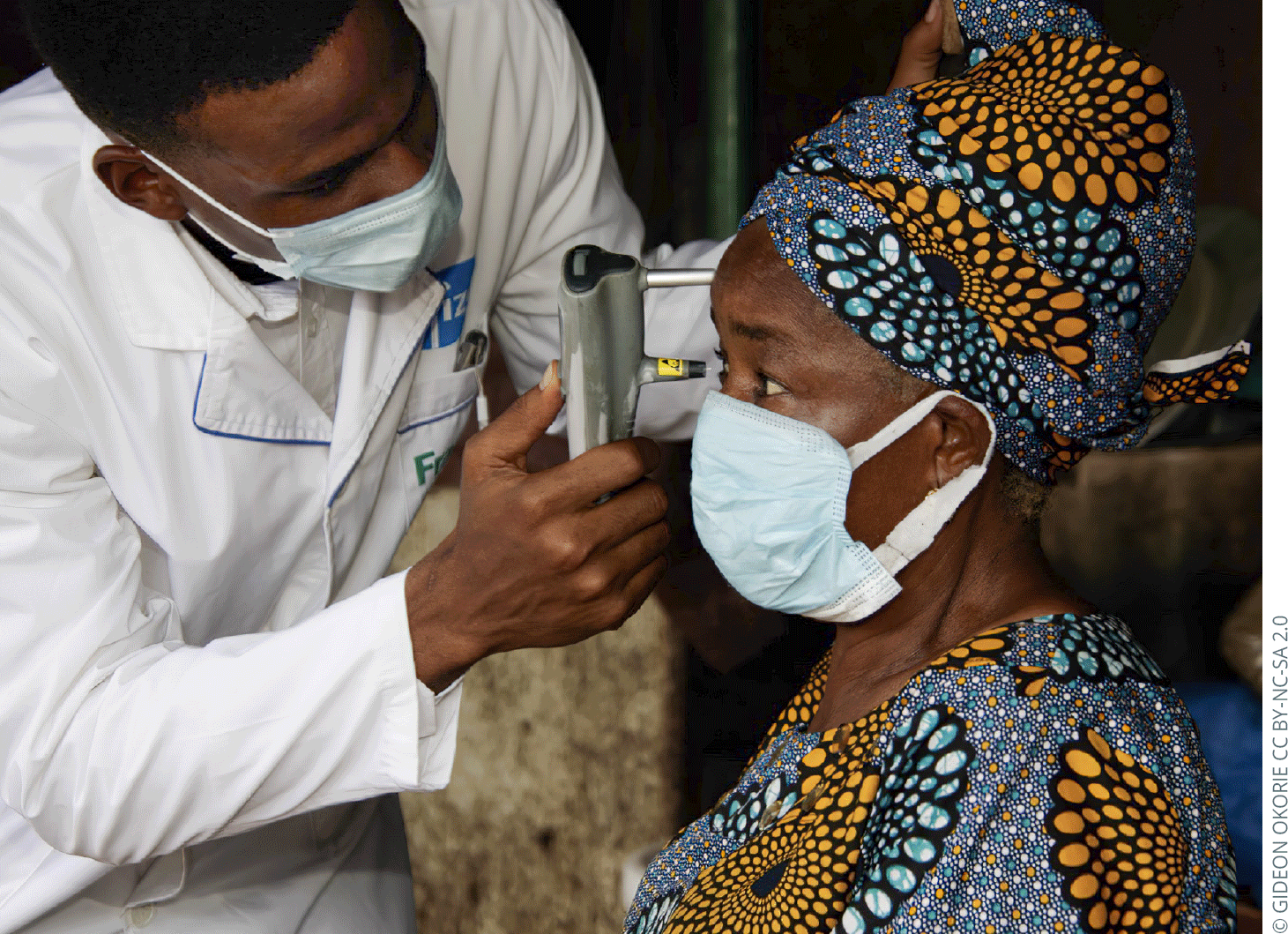
Healthy eyes do not happen by chance. They reflect daily choices, good habits, and regular care. Many eye problems can be prevented or delayed. Others can be managed well when found early. This guide shares practical steps for Etobicoke residents. You will learn about nutrition, protection, screen habits, and professional care. Small changes add up to lasting benefits.
Eat for Better Eye Health
Your diet directly affects your eyes. Leafy greens like spinach and kale contain lutein and zeaxanthin. These nutrients help filter harmful light. Fatty fish such as salmon provides omega-3 fatty acids. Omega-3s support the tear film and retinal function. Citrus fruits and peppers offer vitamin C. Nuts and seeds supply vitamin E. Eggs contain zinc and other helpful compounds. Orange vegetables like carrots offer beta-carotene. Try to include a colorful variety every day. Balanced meals also help control blood sugar and blood pressure. Both factors strongly influence eye health.
Wear Sunglasses All Year
Ultraviolet light harms the eyes over time. It raises the risk of cataracts and macular problems. It can also burn the surface of the eye. Many people forget this danger in winter. Snow reflects strong light and creates intense glare. Choose sunglasses that block ninety-nine to one hundred percent of UV rays. Wraparound styles protect the sides as well. Polarized lenses reduce glare on water and roads. Children need protection too. A wide-brimmed hat adds extra shade. Make sunglasses part of your daily routine, like keys or a wallet.
Manage Screen Time Wisely
Screens are useful but demanding. Long sessions strain the focusing muscles. People also blink less when concentrating. This dries the eye surface and causes discomfort. Follow the twenty-twenty-twenty rule during work. Every twenty minutes, look at something twenty feet away. Hold that view for twenty seconds. Place your screen slightly below eye level. Keep it an arm’s length away. Reduce glare with proper lighting or filters. Increase text size if you lean forward to read. Use artificial tears if dryness persists. Ask your optometrist about lenses designed for computer use.
Protect Your Eyes From Injury
Eye injuries are common and often preventable. Yard work, home repairs, and sports all carry risks. Flying debris can scratch or puncture the eye. Chemicals in cleaning products can cause serious burns. Wear safety glasses with side shields for hazardous tasks. Use goggles when working with power tools. Racquet sports and hockey call for proper face protection. Fireworks and champagne corks also cause injuries. Keep children away from sharp or spring-loaded toys. If an injury happens, avoid rubbing the eye. Rinse chemical splashes with clean water right away. Seek urgent care for any significant trauma.
Quit Smoking and Limit Alcohol
Smoking harms nearly every part of the body, including the eyes. It increases the risk of cataracts and macular degeneration. It also raises the risk of optic nerve damage. Smokers tend to develop these conditions earlier. Quitting lowers risk over time. Support programs and medications can help you succeed. Heavy alcohol use may affect nutrition and nerve health. Moderation protects your general health too. Secondhand smoke can irritate the eyes. Make your home and car smoke-free. These changes help the whole family.
Stay Active and Control Chronic Conditions
Exercise improves circulation, including blood flow to the eyes. It also lowers the risk of diabetes and high blood pressure. Both conditions can damage the retina. A brisk walk most days is a great start. Aim for steady, enjoyable movement you can maintain. If you have diabetes, keep blood sugar within your target range. Take medications as prescribed. Monitor blood pressure and cholesterol regularly. Share your results with your care team. Good control reduces the risk of vision loss. Eye exams are an essential part of diabetes care.
Keep Your Contact Lenses Safe
Contact lenses are safe when used correctly. Poor habits can lead to infections and ulcers. Always wash and dry your hands before handling lenses. Replace them on the schedule your optometrist recommends. Never sleep in lenses unless they are approved for it. Do not rinse them with tap water. Use fresh solution every time. Replace your lens case every few months. Remove lenses if your eyes are red or painful. Keep a backup pair of glasses available. Attend yearly fitting checks. Comfort should never be ignored.
Support Dry Eye Comfort
Dry eye is very common in colder months. Indoor heating lowers humidity and dries the tear film. Wind and travel can make it worse. Symptoms include burning, grittiness, and watery eyes. Blinking fully and often helps. Warm compresses can loosen oil from the eyelid glands. Gentle lid cleaning supports healthy tear quality. A humidifier may improve indoor comfort. Drink enough water throughout the day. Artificial tears offer quick relief for mild cases. Persistent symptoms deserve an exam. Stronger treatments are available when needed.
Get Regular Professional Eye Exams
Daily habits help, but exams provide the clearest picture. Many serious conditions have no early warning signs. An optometrist can detect them before damage becomes permanent. Residents can choose an eye doctor etobicoke practice for dependable local care. Ask about the schedule that suits your age and health. Share symptoms and family history openly. Keep copies of your prescriptions and reports. Consistency allows your doctor to track subtle changes. It also builds trust and comfort over time. Preventive visits cost far less than late treatment. They also protect your independence.
Build Healthy Habits for Children
Children develop lifelong habits early. Encourage outdoor play every day. Natural light and distance viewing may slow the progress of nearsightedness. Limit recreational screen time and set clear boundaries. Remind them to take breaks during homework. Teach them to avoid rubbing their eyes. Offer fruits, vegetables, and healthy snacks. Schedule regular exams, even without complaints. Watch for squinting, head tilting, or sitting too close to screens. Tell teachers about any prescription. Small steps now protect their vision for decades.
Care for Aging Eyes
Older eyes need extra attention. Cataracts, glaucoma, and macular degeneration are more common. Good lighting makes reading and cooking safer. Use high-contrast colors on stairs and edges. Keep walkways clear to prevent falls. Large-print materials and magnifiers help with close tasks. Take medications and eye drops exactly as prescribed. Ask your pharmacist about side effects. Never stop treatment without advice. Seek help quickly if vision suddenly changes. Support from family and community makes adjustment easier. Early care protects independence and confidence.
Know the Warning Signs
Some symptoms need prompt professional attention. Sudden vision loss is an emergency. So are flashes of light, a dark curtain, or many new floaters. Severe eye pain with redness needs urgent care. Double vision, halos, or sudden light sensitivity also deserve a quick call. Do not wait for these symptoms to pass. Early treatment can save vision. Keep your clinic’s phone number handy. Know where the nearest emergency department is. Acting fast can make all the difference.
Final Thoughts
Protecting your eyes is a daily commitment. Good food, sun protection, breaks from screens, and safe habits all matter. Regular exams add an essential layer of defense. Together, these steps keep your vision sharp and comfortable. Start with one or two changes this week. Build from there and enjoy the benefits for years to come.

 English
 Arabic
 French
 Spanish
 Portuguese
 Turkish
 Dutch
 Italiano
 Russian
 Romaian
 Portuguese (Brazil)
 Greek