


What to Expect During Your First Hair Loss Treatment Consultation
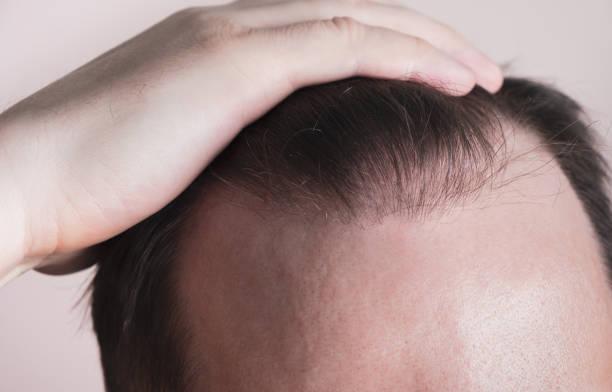
Noticing excessive shedding, a receding hairline, or reduced hair density can raise questions about the cause and the best way to manage it. A first consultation helps you understand what may be contributing to hair loss and which treatment options could suit your needs. Whether thinning has developed gradually or appeared after a stressful event, professional guidance can help you take informed next steps. During a hair treatment riyadh consultation, a healthcare professional may review your medical history, examine your scalp, and discuss possible treatment approaches. Knowing what happens during this appointment can help you feel prepared and understand what to expect from the process.
Why Is a Hair Loss Consultation Important?
Hair loss can occur for several reasons, including hereditary factors, hormonal changes, nutritional deficiencies, stress, medications, and scalp conditions. Because these causes may produce similar symptoms, choosing a treatment without understanding the underlying problem may lead to disappointing results.
A consultation helps narrow down the possible causes and determine whether additional assessment is needed. The clinician can explain whether the pattern suggests hereditary thinning, temporary shedding, hair breakage, or another condition requiring specific care.
An early assessment may also help identify conditions that benefit from prompt treatment. The goal is not simply to improve the appearance of the hair but to understand what is happening and develop an appropriate management plan.
Discussing Your Hair Loss History
One of the first steps is a conversation about your hair and general health. The clinician may ask when you first noticed thinning, whether the shedding has changed over time, and which areas of the scalp are affected.
You may also be asked about family history, recent illnesses, surgery, pregnancy, weight changes, stress, dietary habits, and medications or supplements. Previous hair treatments and scalp-care routines can also be relevant.
Try to describe your symptoms as accurately as possible. Mention whether you notice more hair in the shower, a widening part, a receding hairline, patchy loss, or changes in the texture of your hair. These details can help guide the examination and any recommended tests.
What Happens During the Scalp Examination?
A scalp examination is an important part of the initial appointment. The clinician may inspect the hairline, crown, temples, and other areas to assess the pattern and extent of thinning. They may also look for redness, scaling, irritation, broken hairs, or signs of inflammation.
In some cases, a handheld magnifying device or dermatoscope may be used to examine the scalp and hair follicles more closely. This can help identify features associated with hereditary hair loss or certain scalp conditions.
The examination is generally tailored to your symptoms. If the hair loss is patchy, sudden, or associated with discomfort, the clinician may investigate specific causes rather than assuming it is ordinary thinning.
Are Blood Tests or Other Investigations Necessary?
Not everyone experiencing hair loss needs laboratory testing. However, a clinician may recommend blood tests if your symptoms or medical history suggest an underlying health issue. These tests may assess iron status, thyroid function, or other factors when clinically appropriate.
For example, increased shedding accompanied by fatigue or a history of significant blood loss may prompt an assessment for iron deficiency. Symptoms suggesting a thyroid disorder may lead to thyroid testing. Hormonal investigations may be considered when other symptoms indicate that they could be relevant.
The purpose of testing is to identify treatable contributing factors rather than ordering unnecessary investigations. The clinician should explain why a test is recommended and how the results could influence your treatment plan.
Exploring Hair Loss Treatment Options
Topical Treatments
Topical minoxidil is commonly used for certain forms of hereditary hair loss. It is applied directly to the scalp and may help support hair growth in suitable patients. The clinician can explain how it is used, possible side effects, and how long it may take to evaluate the results.
Consistent use is generally needed, and benefits may diminish after treatment is discontinued. It is not suitable for every cause of hair loss, so the diagnosis matters before starting.
Prescription Medications
Some patients may be suitable for prescription medication, depending on the type of hair loss and their medical history. Finasteride, for example, may be prescribed to selected men with hereditary hair loss, but it can cause side effects and requires professional guidance.
The clinician should discuss the risks, precautions, and possible alternatives. Pregnancy-related risks are particularly important with certain hair-loss medicines. Do not start prescription treatment or change an existing medication without appropriate medical advice.
Platelet-Rich Plasma Therapy
Platelet-rich plasma (PRP) therapy involves taking a blood sample, processing it to concentrate platelets, and injecting the preparation into selected areas of the scalp. It may help improve hair density in some people with certain types of thinning, but outcomes vary and the evidence for different protocols continues to develop.
If PRP is discussed, ask how many sessions may be recommended, what benefits are realistic, and whether maintenance treatments might be needed. It is not suitable for every cause of hair loss and should not replace treatment for an underlying medical condition.
Treatment of Underlying Causes
If hair loss is related to a nutritional deficiency, thyroid disorder, scalp infection, or another medical condition, treating that cause may be the main priority. The clinician may recommend targeted treatment, changes to hair-care practices, or referral for further evaluation when needed.
A personalized Hair Loss Treatment in Riyadh plan should reflect the cause of the problem rather than relying on one treatment for everyone.
Questions to Ask During Your Appointment
Preparing a few questions can help you make the most of your consultation. Consider asking:
-
What is the most likely cause of my hair loss?
-
Do I need any tests before starting treatment?
-
Which options are suitable for my condition and medical history?
-
What side effects or precautions should I know about?
-
How long might it take to notice a change?
-
Will treatment need to continue long term?
-
How will progress be measured during follow-up appointments?
You can also ask about the limitations of each option and whether there are signs that should prompt an earlier review. Clear communication helps establish realistic expectations and supports informed decisions.
Understanding the Treatment Timeline
Hair grows slowly, so most treatments cannot produce immediate visible changes. Depending on the diagnosis and treatment, several months may be needed before progress can be assessed. Some people experience stabilization of hair loss rather than obvious regrowth, while others may notice improvements in density.
Your clinician may suggest taking photographs under consistent lighting to compare changes over time. Follow-up appointments allow the treatment plan to be reviewed, side effects to be discussed, and adjustments to be made when appropriate.
Results vary according to the underlying cause, the condition of the follicles, treatment consistency, and individual response. No responsible treatment plan can guarantee complete regrowth.
How to Prepare for Your First Consultation
Before your appointment, make a note of when the hair loss started and whether anything changed around that time. Bring a list of medicines and supplements you use, along with details of previous treatments and relevant medical conditions. If you have noticed changes in your scalp or other symptoms, be ready to describe them.
Avoid starting multiple new hair products or supplements immediately before your assessment unless advised by a healthcare professional. Sudden shedding, distinct bald patches, scalp pain, redness, or scaling should be mentioned promptly because these symptoms may require more specific evaluation.
Take the First Step Toward Healthier Hair
Your first consultation is an opportunity to understand your hair loss, discuss suitable treatment options, and develop a plan based on your individual needs. A thorough assessment can help distinguish between temporary shedding, hereditary thinning, and conditions that require targeted medical care.
To explore your options, book a consultation with Royal Clinic Saudia. A professional assessment can help you understand suitable Hair Loss Treatment in Riyadh options, learn what to expect from treatment, and establish realistic goals for managing hair thinning.

 English
 Arabic
 Spanish
 Portuguese
 Deutsch
 Turkish
 Dutch
 Italiano
 Russian
 Romaian
 Portuguese (Brazil)
 Greek