


Understanding the Egg Freezing Process and Choosing the Best IVF Centre in Lahore
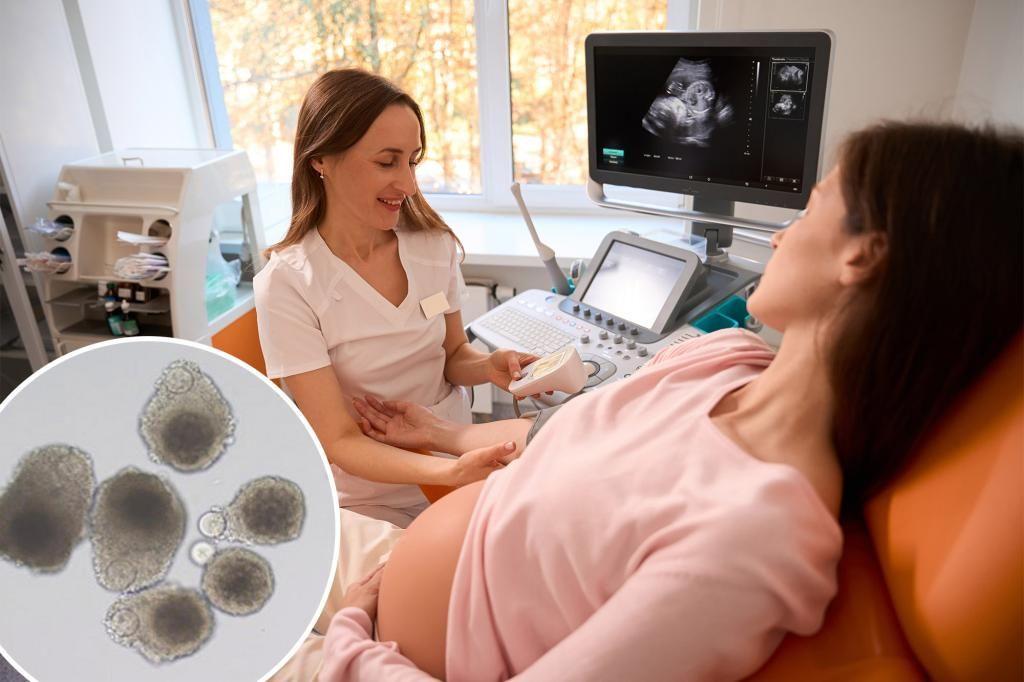
Planning for a family does not always happen at the same stage of life for everyone. Some women want to preserve their fertility while focusing on their careers, personal goals, or medical treatment. Others may be concerned about age-related changes in fertility or have been advised to consider fertility preservation before undergoing certain treatments. In these situations, understanding the egg freezing process can help women make informed decisions about their reproductive future.
Egg freezing, also called egg cryopreservation, involves collecting mature eggs from the ovaries and preserving them for possible future use. The procedure requires fertility medications, regular monitoring, egg retrieval, and specialised laboratory storage. Although it can provide an additional reproductive option, it does not guarantee a future pregnancy.
For women exploring fertility services in Pakistan, choosing the best ivf centre in Lahore involves more than comparing prices or looking at advertisements. The clinic's medical expertise, laboratory standards, available fertility preservation services, patient counselling, and transparency are all important considerations.
1. What Is Egg Freezing and Why Is It Becoming an Important Fertility Option?
Egg freezing is a fertility preservation technique designed to store a woman's eggs for potential use later in life. Unlike embryo freezing, the eggs are not fertilised with sperm before storage. This allows the woman to make decisions about fertilisation at a later stage.
The technique may be considered by women who want to delay pregnancy, individuals preparing for medical treatments that could affect fertility, or those who have certain reproductive health concerns. A fertility specialist can assess whether egg freezing is suitable based on age, ovarian reserve, medical history, and future family-building plans.
One important factor is age at the time of freezing. Both egg quantity and egg quality generally decline with age, although the rate differs between individuals. Freezing eggs at a younger age may improve the likelihood that they will be useful in the future, but outcomes can never be guaranteed.
Women should also understand that egg freezing preserves eggs, not overall fertility or the ability to carry a pregnancy. A personalised consultation is therefore an important first step.
2. How the Egg Freezing Process Begins With a Fertility Assessment
Before starting treatment, the fertility team evaluates the patient's reproductive health and discusses her goals. This assessment helps determine whether the procedure is appropriate and what results might reasonably be expected.
Medical history and fertility consultation
The doctor may ask about menstrual cycles, previous pregnancies, reproductive conditions, family history of early menopause, existing medical problems, and medications. These details help the specialist identify factors that could affect ovarian response or treatment safety.
Hormone tests and ultrasound
Blood tests may include anti-Müllerian hormone (AMH), while a transvaginal ultrasound may be used to assess the ovaries and count visible antral follicles. Depending on the patient's circumstances, additional tests may be recommended.
These investigations help estimate the likely response to stimulation medication. However, they cannot predict the exact number of eggs that will be collected or guarantee a future pregnancy.
Before proceeding, patients should discuss the expected timeline, possible risks, medication costs, egg storage arrangements, and what will happen when the eggs are eventually used.
3. Ovarian Stimulation: The Role of Fertility Injections
One of the main stages of the egg freezing process is ovarian stimulation. During a natural menstrual cycle, an egg typically develops and matures for ovulation. Fertility medications encourage several follicles to develop during the same cycle, potentially allowing multiple eggs to be collected.
The specialist prescribes hormone injections according to the patient's age, ovarian reserve, medical history, and response to medication. Treatment commonly involves daily injections for approximately 10–12 days, although the duration varies.
Additional medication may be prescribed to prevent premature ovulation. The patient attends follow-up appointments for ultrasound scans and, when appropriate, blood tests to monitor follicle development and hormone levels.
The doctor can adjust medication doses based on these results. Patients should not change their injection doses or timing without medical advice.
Possible side effects include bloating, breast tenderness, headaches, abdominal discomfort, and mood changes. Ovarian hyperstimulation syndrome (OHSS) is a less common but potentially serious complication. Severe abdominal pain, persistent vomiting, breathing difficulties, or rapidly increasing abdominal swelling require urgent medical assessment.
4. Egg Retrieval and the Freezing Procedure Explained
When the follicles have developed sufficiently, the specialist schedules a final maturation injection. Egg collection is carefully timed after this medication.
How are eggs collected?
Egg retrieval is generally performed under sedation or anaesthesia. Using ultrasound guidance, the doctor passes a fine needle through the vaginal wall to collect fluid from the ovarian follicles. An embryologist then examines the collected material to identify the eggs.
The procedure is usually completed within a short outpatient visit. Most patients can return home after recovery and receive instructions about rest, medication, and warning signs that require medical attention.
How are mature eggs frozen?
Not every collected egg will be mature enough for freezing. Mature eggs selected for storage are commonly preserved using a rapid-freezing method called vitrification.
During vitrification, specialised solutions help protect the eggs from ice-crystal damage while they are cooled rapidly. The eggs are then stored in carefully controlled liquid-nitrogen systems.
The clinic should explain how the laboratory monitors storage conditions, maintains records, manages emergencies, and documents consent for long-term storage.
5. What Happens When You Want to Use Frozen Eggs in the Future?
Egg freezing postpones the use of eggs; it does not remove the need for fertility treatment when a patient is ready to attempt pregnancy.
First, the clinic assesses the patient's current reproductive health and reviews the stored eggs. The selected eggs are warmed in the laboratory, and those that remain viable can be used for fertilisation.
Because the freezing process changes the egg's outer structure, intracytoplasmic sperm injection (ICSI) is commonly used. In this procedure, an embryologist injects a single sperm directly into an egg.
The resulting fertilised eggs are monitored to determine which develop into embryos. If an appropriate embryo develops, it may be transferred into the uterus through an embryo-transfer procedure. Pregnancy testing follows at the time recommended by the fertility team.
Several factors influence the outcome, including the woman's age when the eggs were frozen, the number and maturity of stored eggs, survival after warming, fertilisation, embryo development, and uterine health.
For this reason, a responsible fertility specialist will explain the limitations of egg freezing instead of presenting it as a guaranteed route to parenthood.
6. How to Choose the Best IVF Centre in Lahore for Fertility Preservation
Finding the best ivf centre in Lahore requires careful evaluation of clinical services and patient care. A clinic that offers conventional IVF may not necessarily provide every fertility preservation service, so it is important to confirm that egg freezing is available.
Check the experience of the fertility team
Look for qualified fertility specialists and embryologists with relevant experience in reproductive medicine and egg cryopreservation. Ask who will supervise stimulation, perform egg retrieval, and manage the laboratory process.
Evaluate laboratory facilities
Egg freezing depends on specialised laboratory equipment, trained personnel, quality-control procedures, and reliable storage systems. Ask the clinic about its vitrification methods, storage monitoring, emergency planning, and procedures for tracking stored eggs.
Review counselling and treatment planning
A suitable clinic should discuss individual circumstances, realistic expectations, possible complications, and alternative options. Treatment recommendations should be based on medical findings rather than pressure to purchase a particular package.
Consider communication and follow-up
Fertility preservation may involve several appointments over a short period. Clear instructions, accessible clinical support, and transparent communication about results can make the process easier to manage.
Patients in Lahore may compare clinics in Lahore and other cities according to these criteria. The best choice is the centre that provides appropriate care for the patient's specific needs, rather than simply the one with the most prominent marketing claims.
7. Egg Freezing Cost in Pakistan: What Should Patients Ask?
The cost of egg freezing can vary between clinics because treatment plans, medications, laboratory services, and storage arrangements differ. There is no single price that applies to every patient.
When comparing estimates, ask for a written breakdown covering the following:
-
Initial consultation and fertility investigations.
-
Hormonal injections and other prescribed medicines.
-
Ultrasound monitoring and blood tests.
-
Egg retrieval, sedation, and associated clinical charges.
-
Laboratory processing and vitrification.
-
Annual egg storage fees and renewal arrangements.
-
Future egg warming, ICSI, embryo culture, and embryo transfer.
Some initial packages may exclude medication or long-term storage, making direct price comparisons difficult. Ask whether another stimulation cycle might be needed if the first cycle produces fewer mature eggs than expected.
Patients researching the egg freezing process should also ask whether the clinic provides a written estimate for future treatment. The cost of collecting and freezing eggs is separate from the cost of using them to attempt pregnancy later.
Rather than selecting a clinic on price alone, compare the complete treatment plan, laboratory standards, safety procedures, and services included in the quotation.
8. Who May Consider Egg Freezing, and What Are Its Limitations?
Egg freezing may be worth discussing with a fertility specialist for several reasons.
Women who expect to delay pregnancy may wish to preserve eggs while they are younger. Patients preparing for certain cancer treatments or other medical procedures that could damage ovarian function may also need timely fertility-preservation advice. Those with a family history of early menopause or particular reproductive concerns can ask whether assessment is appropriate.
However, egg freezing is not suitable for everyone. The number of eggs collected depends partly on ovarian reserve and the response to medication. Some patients may produce few mature eggs, while others may need more than one cycle.
Not every frozen egg will survive warming, fertilise successfully, or develop into an embryo suitable for transfer. Even when an embryo is transferred, pregnancy may not occur.
There are also financial, emotional, and practical considerations associated with long-term storage and future treatment. A consultation should cover alternatives, potential risks, and the possibility that the eggs may never be used.
Patients considering fertility preservation before cancer treatment should seek prompt advice from their treating medical team and a fertility specialist, as treatment timing can be important.
9. Preparing for Your Consultation at a Fertility Clinic
A well-prepared consultation helps patients understand their options and avoid unexpected costs or confusion during treatment.
Before attending, gather relevant medical records, previous fertility test results, information about medications, and details of any reproductive health conditions. Write down questions about the likely number of eggs, stimulation medication, monitoring appointments, recovery time, and storage arrangements.
It is also useful to ask how the clinic handles complications, who can be contacted outside regular appointment hours, and how stored eggs are tracked and protected.
Patients comparing the best ivf centre in Lahore should request information about the team's qualifications, egg-freezing experience, laboratory standards, and itemised charges. They should also clarify the consent requirements for future use and storage.
A consultation should leave patients with a clear understanding of the proposed plan, its limitations, and the next steps. If important questions remain unanswered, seeking another qualified medical opinion can help with decision-making.
Conclusion
The egg freezing process offers an option for preserving eggs for possible future fertility treatment. It generally includes an initial fertility assessment, ovarian stimulation, ultrasound and blood-test monitoring, egg retrieval, vitrification, and secure storage. Later, the eggs may be warmed and fertilised through ICSI before any suitable embryo is considered for transfer.
Choosing the best ivf centre in Lahore involves assessing the fertility team's experience, laboratory quality, patient counselling, safety procedures, and complete treatment costs. No clinic can guarantee a future pregnancy, and outcomes vary according to individual medical circumstances.
Women considering egg freezing should consult a qualified fertility specialist, review their options carefully, and make a decision based on personalised medical advice and realistic expectations.
Frequently Asked Questions
1. How long does the egg freezing process take?
Ovarian stimulation commonly takes around 10–12 days, followed by a scheduled egg-retrieval procedure. Including initial assessment and preparation, the overall timeline may be approximately two to three weeks, although individual treatment plans vary.
2. Is egg freezing painful?
Hormonal injections may cause temporary discomfort, bloating, or tenderness. Egg retrieval is usually performed under sedation or anaesthesia, so significant pain during the procedure is generally minimised. Mild cramping or discomfort afterward is possible.
3. Does egg freezing guarantee pregnancy in the future?
No. The outcome depends on factors such as age at freezing, the number of mature eggs stored, survival after warming, fertilisation, embryo development, and uterine health. Egg freezing can preserve an option, but it cannot guarantee a baby.
4. How can I choose the best IVF centre in Lahore?
Compare specialist qualifications, experience in egg freezing, laboratory facilities, monitoring and safety protocols, counselling standards, storage arrangements, and transparent pricing. Confirm directly that the centre provides egg cryopreservation and ask for a personalised treatment plan.
5. What should I ask about egg freezing costs in Pakistan?
Request a detailed quotation covering investigations, medication, monitoring, egg retrieval, freezing, annual storage, and future treatment using the eggs. Confirm which services are excluded and whether additional stimulation cycles could create extra costs.

 English
 Arabic
 French
 Spanish
 Portuguese
 Deutsch
 Dutch
 Italiano
 Russian
 Romaian
 Portuguese (Brazil)
 Greek