


What Should Buyers Check Before Choosing a Ball Valve Ball?
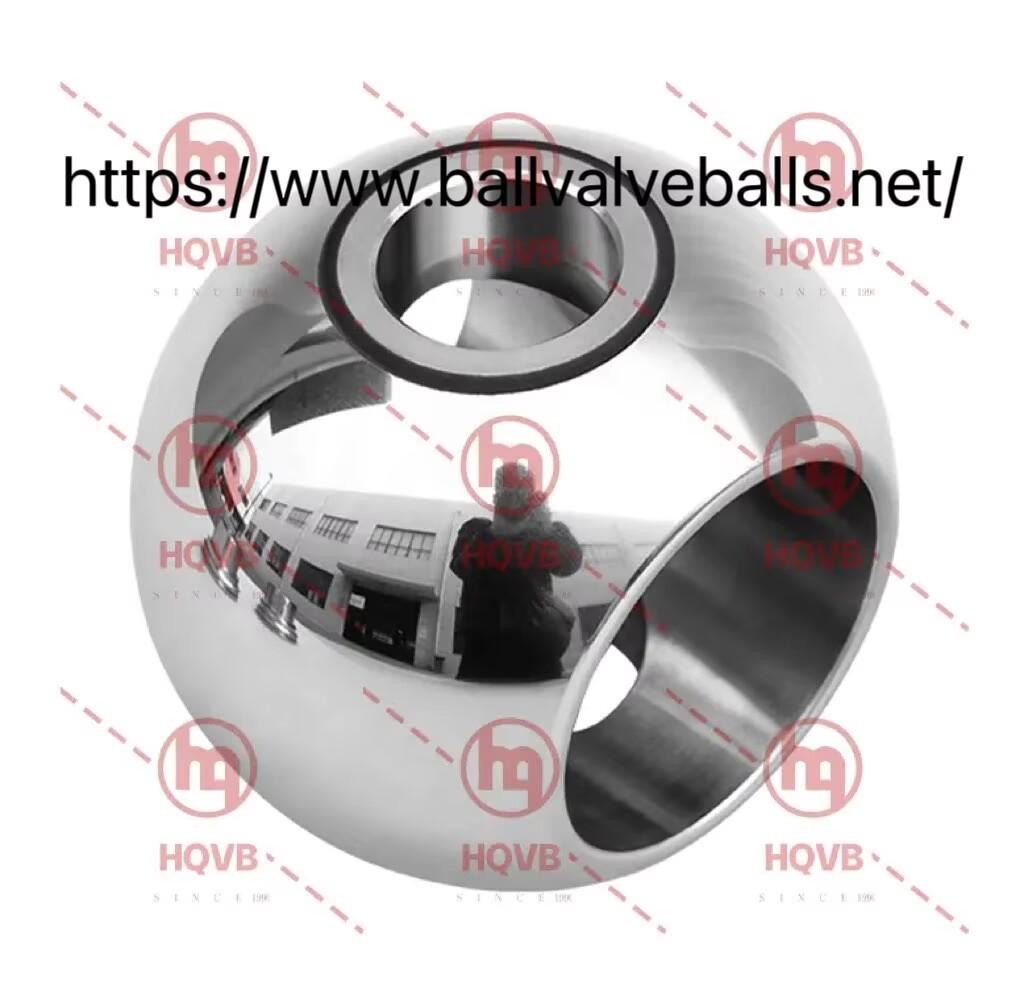
Ball Valve Ball selection requires buyers to consider application conditions, material specifications, dimensional accuracy, surface quality, and assembly compatibility. These factors should be evaluated together because a component that meets one requirement may still be unsuitable for the complete design. For purchasing teams, preparing a detailed specification before requesting quotations can reduce uncertainty, clarify manufacturing expectations, and make supplier proposals easier to compare. A structured evaluation also provides a useful reference for sample approval and repeat orders.
Understand the Operating Conditions
Begin by describing the equipment and its intended use. Buyers should identify the working medium, expected pressure, temperature range, operating frequency, and surrounding environmental conditions. This information helps the manufacturer understand the technical demands of the application.
A component intended for a general water system may require different material characteristics from one used in machinery that handles chemically active liquids. Buyers should therefore provide specific operating information instead of relying solely on a general product description.
It is also important to explain whether the order is for new equipment, replacement parts, or an existing assembly. For replacement projects, the original drawing, connection details, and verified measurements can help establish compatibility before production begins.
Confirm Material Requirements
Material selection can influence corrosion resistance, mechanical properties, processing methods, and total purchasing costs. Buyers should provide a specified material grade when their engineering requirements are already established. If several options may be suitable, the inquiry should include the working conditions so the manufacturer can review the available choices.
Additional treatment requirements should be stated clearly. These may include a coating, a defined surface finish, or supporting documents required by the purchasing department. Confirming these details before accepting a quotation helps both parties understand the expected scope of supply.
If an alternative material is proposed, buyers should review its suitability for the actual application before approving the change. Written confirmation helps ensure that the agreed specification remains consistent throughout production and delivery.
Check Dimensions and Tolerances
A nominal diameter does not fully describe the geometry required for a precise fit. Buyers should review the external dimensions, internal opening, port position, connection features, and other measurements that influence assembly.
Technical drawings should identify critical dimensions and acceptable variation. Without clear tolerances, a manufacturer may interpret the requirements differently from the buyer's engineering team. This can lead to extra sample reviews, production adjustments, or delays.
For customized orders, highlight the dimensions that directly affect fit and function. Include the drawing number and revision date so both parties work from the same approved document. When replacing an existing part, verify the measurements against the actual design rather than assuming that a visually similar component will fit correctly.
Evaluate Surface Finish and Contact Geometry
Surface condition should be considered alongside dimensional accuracy. Uneven finishing, scratches, or defects in functional areas may affect how the component interacts with surrounding parts. Buyers should explain which surfaces require particular attention and how the finished product will be assessed.
Where possible, define surface requirements using measurable criteria rather than broad descriptions such as polished or smooth. If a special finishing process is required, include it in the purchasing specification and clarify the relevant inspection expectations.
The contact area between the component and its mating seat also deserves review. Their geometry and material combination should suit the intended assembly. For a new design, sample evaluation can help confirm that the component follows the approved drawing before a larger order is released.
Review Inspection Procedures
Before confirming an order, buyers should ask how the manufacturer verifies conformity with the agreed requirements. Useful questions include which dimensions are measured, how surface conditions are checked, and how production batches are identified.
Documentation requirements should be discussed before manufacturing starts. Depending on the project, buyers may request material records, dimensional inspection reports, or batch identification information. These requirements should be listed in the purchasing documents so the receiving team knows what to verify.
For a customized design, approving a sample can help identify differences between the drawing and the finished component. Any necessary changes should be recorded and approved before regular production continues. Clearly defined acceptance criteria make the process easier for both parties to manage.
Compare Quotations on a Consistent Basis
Price is an important consideration, but quotations should be evaluated against matching specifications. Buyers should compare material grades, tolerances, surface treatments, inspection documents, packaging, order quantities, and delivery schedules.
Different quotations may cover different production scopes. One supplier may include additional processing or documentation, while another may list these items as extra costs. Asking for clarification makes the comparison more meaningful and helps purchasing teams understand what each offer includes.
Communication is another practical factor. Buyers should check whether the manufacturer can identify missing information and clarify technical assumptions before confirming the order. Keeping written records of approved drawings, material choices, and agreed changes provides a useful reference for future purchases.
Prepare a Complete Purchasing Brief
Before requesting a final quotation, assemble the application details, material requirements, technical drawings, critical dimensions, surface specifications, inspection criteria, quantity, packaging, and delivery expectations. This information gives the manufacturer a clear basis for reviewing the project and preparing a response.
For repeat orders, retaining the approved specification helps maintain consistency and makes revisions easier to track. If a drawing or requirement changes, the updated version should be clearly identified and approved before production begins.For buyers sourcing customized industrial components, ballvalveballs provides product information to support purchasing inquiries and technical discussions. Visit https://www.ballvalveballs.net/ to review the company's product range and contact the team with your application details, technical drawings, and order requirements.

 English
 Arabic
 French
 Spanish
 Portuguese
 Deutsch
 Turkish
 Dutch
 Italiano
 Romaian
 Portuguese (Brazil)
 Greek