


Why Sachet Packaging is the Go-To Solution for Modern Industries
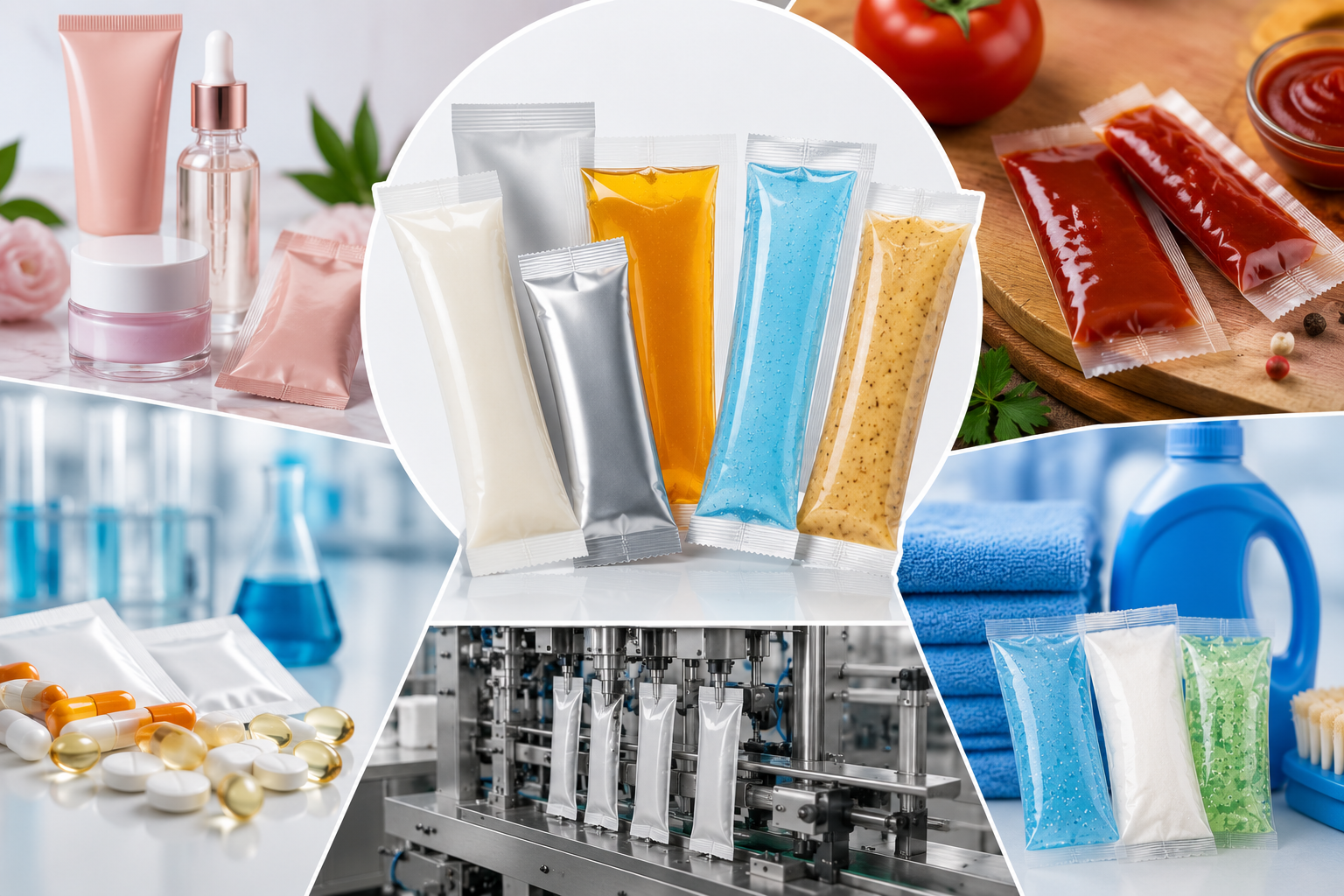
In an era where convenience defines consumer choices, the packaging industry has seen a massive shift toward smaller and more portable formats. One of the most effective methods leading this change is sachet packaging, which has become a staple for brands across the globe. Whether it is a single-serve coffee packet or a sample of a luxury face cream, this format provides an unparalleled balance of protection and accessibility. Businesses are increasingly adopting this style to meet the demands of modern, on the go shoppers who value efficiency and portion control.
Understanding the Mechanics of Sachet Packaging
A sachet is a small, flat packet usually sealed on three or four sides. Unlike stick packs which are long and narrow, sachets offer more surface area for branding and nutritional information. They are made from various layers of film that protect the internal product from external elements such as light, moisture, and oxygen.
Manufacturers prefer this format because it is versatile. It can hold liquids, powders, granules, and even pastes. The multi-layered construction ensures that even sensitive products like pharmaceuticals or dairy-based sauces remain fresh until the moment of use.
The Primary Benefits for Manufacturers and Consumers
The move toward small-format packaging is driven by several logistical and economic factors. Both the brand owner and the end-user find significant value in the sachet format.
Cost Efficiency and Material Savings
Sachets use significantly less material than rigid bottles or jars. This reduction in raw material usage lowers the cost of production. Additionally, because sachets are lightweight and take up very little space, shipping and warehousing costs are drastically reduced. You can fit thousands of sachets in the same space that would only hold a few hundred bottles.
Precise Portion Control
Portion control is a major selling point for health-conscious consumers. Sachets provide a pre-measured amount of product, which eliminates guesswork. This is particularly important in the food industry for calorie counting and in the healthcare industry for accurate medication dosing.
Superior Product Freshness
Every time a large bottle of sauce or a jar of cream is opened, the entire contents are exposed to air. With sachets, only the amount needed is opened. The rest of the batch remains hermetically sealed, ensuring that every single use is as fresh as the first.
Transforming Key Industrial Sectors
Different industries have found unique ways to leverage sachet technology to grow their market share.
The Food and Beverage Sector
This is the most visible industry for sachet use. From ketchup and mayonnaise in fast-food chains to instant coffee and protein powders, sachets have revolutionized food service. They allow for easy distribution and clean handling, which is a priority for restaurants and cafes.
Cosmetics and Personal Care
The beauty industry uses sachets primarily for sampling and travel-sized products. A sachet allows a customer to try an expensive serum or shampoo at a fraction of the cost of a full-sized bottle. This "trial" phase is a critical part of the customer journey in the luxury beauty market.
Pharmaceuticals and Nutraceuticals
For vitamins, minerals, and over-the-counter medicines, sachets offer a hygienic and easy-to-carry solution. Patients can carry their daily dose in their wallet or pocket rather than carrying bulky medicine containers.
Strategic Business Growth through Sampling
One of the most powerful uses of sachet packaging is as a marketing tool. Direct-to-consumer brands often include free sachets of new products in their shipping boxes. This strategy has a high success rate because it puts the product directly in the hands of the consumer.
-
Low-Cost Entry: Brands can enter new markets with small sachets to test consumer interest before launching full-sized products.
-
Retail Visibility: Small packets can be sold at checkout counters, encouraging "impulse buys" that increase the total basket value for retailers.
-
Custom Branding: Despite their small size, modern printing technology allows for high-definition graphics that make the product stand out on the shelf.
The Role of Technology in Scaling Production
As a brand grows, manual filling becomes a bottleneck. To keep up with high demand, manufacturers must transition to automated systems. These systems are designed to form, fill, and seal thousands of packets per hour with minimal human intervention.
When companies decide to scale their operations, they often look for advanced flexible packaging machines that can handle high-speed output. These machines ensure that the seal integrity remains consistent across every unit produced. Automation not only increases speed but also reduces the likelihood of human error, which can lead to leaks or inconsistent fill weights.
Modern flexible packaging machines are also highly adaptable. They can be programmed to handle different film thicknesses and different product viscosities. This flexibility allows a manufacturer to use the same production line for multiple different products, maximizing their return on investment.
Sustainability and the Future of Small Packs
The packaging industry is currently facing pressure to reduce plastic waste. In response, the focus has shifted toward developing sustainable films for sachets. We are seeing a rise in compostable and recyclable laminates that offer the same barrier properties as traditional plastics.
-
Recyclable Mono-materials: These are easier to process in standard recycling facilities.
-
Bio-based Films: Made from renewable resources like cornstarch or cellulose.
-
Reduced Carbon Footprint: Because sachets are so light, they require less fuel for transportation, which lowers the overall environmental impact of the supply chain.
Conclusion
Sachet packaging is much more than a convenience for the customer; it is a powerful tool for business efficiency and market expansion. By offering protection, portability, and cost savings, it has solidified its place as the go-to solution for modern industries. Whether you are a startup looking to distribute samples or a large-scale manufacturer aiming for high-speed production, the sachet format offers the flexibility needed to succeed in a competitive landscape.
Frequently Asked Questions (FAQs)
Can sachets be used for products with a long shelf life?
Yes. By using high-barrier films that include layers of aluminum or specialized polymers, sachets can protect products from oxygen and light for a long period. This makes them suitable for products that need to stay shelf-stable for 12 to 24 months.
What is the difference between a 3-side seal and a 4-side seal sachet?
A 3-side seal sachet is made from one piece of film folded in half and sealed on three sides. A 4-side seal sachet is made from two separate pieces of film (front and back) and is sealed on all four sides. The 4-side seal often looks more symmetrical and premium.
Are sachets suitable for packaging chemicals or detergents?
Absolutely. Many industrial brands use sachets for concentrated cleaning agents, lubricants, and adhesives. The film materials are chosen specifically to resist the chemical properties of the product inside.
How does automation improve the quality of sachet packaging?
Automated machines use sensors and precision heaters to ensure every seal is identical. This prevents the "leaks" that often occur with manual or semi-automatic sealing. It also ensures that the weight of the product in every sachet is exactly the same.
Is it expensive to switch from bottles to sachets?
While there is an initial investment in machinery, the long-term savings are significant. You will save money on raw materials, shipping costs, and storage space. Most businesses find that the machine pays for itself through these savings within a short period.

 English
 Arabic
 French
 Spanish
 Deutsch
 Turkish
 Dutch
Dutch
 Italiano
 Russian
 Romaian
 Portuguese (Brazil)
 Greek
Greek