


Ama Dablam Peak: Climbing Guide, Difficulty & Tips
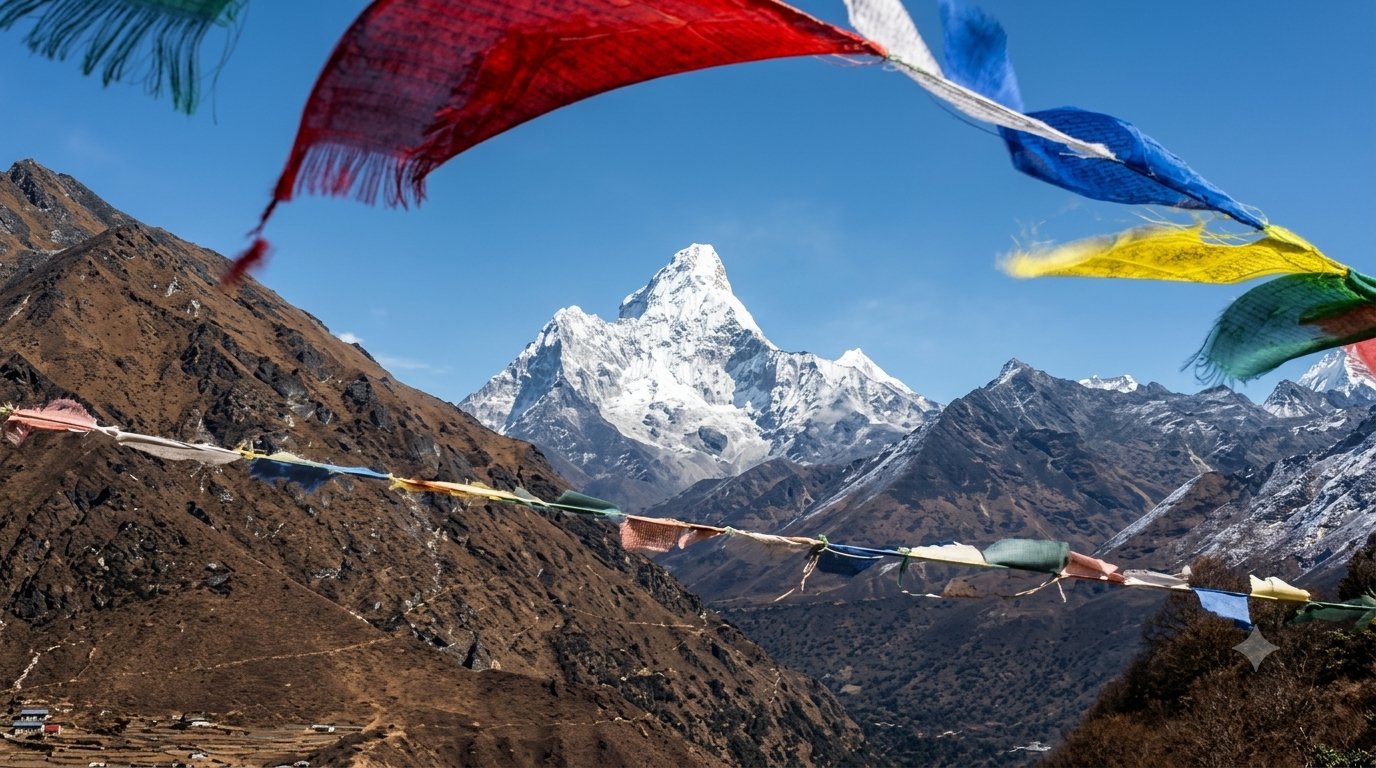
The Ama Dablam Peak is one of the most recognizable mountains in the Nepal Himalayas, admired for its sharp ridges, dramatic rock faces, and elegant pyramid-shaped summit. Located in the Khumbu region near Mount Everest, this mountain attracts experienced climbers who want to take on a technically demanding Himalayan expedition. Unlike a conventional trekking destination, Ama Dablam requires specialized mountaineering skills, careful preparation, and a strong understanding of high-altitude conditions.
For adventure enthusiasts researching an Ama dablam peak hike, it is important to understand the difference between trekking in the surrounding Everest region and climbing Ama Dablam itself. While trails around the mountain offer incredible scenery, reaching its summit is a serious mountaineering undertaking that involves steep snow, ice, exposed ridges, and technical climbing.
This guide explores the mountain’s location, climbing route, difficulty, preparation requirements, and essential safety considerations.
Where Is Ama Dablam Peak Located?
Ama Dablam Peak stands in Nepal’s Khumbu region of the eastern Himalayas, within the Everest area. The mountain rises to approximately 6,812 metres (22,349 feet) above sea level and is visible from several popular trekking routes around Namche Bazaar, Tengboche, and Dingboche.
Its name is commonly interpreted as referring to a mother’s protective embrace and the traditional pendant worn by Sherpa women. The mountain’s distinctive hanging glacier and sweeping ridges contribute to this striking image.
Ama Dablam is part of the wider Himalayan landscape that draws trekkers and climbers to Nepal every year. However, its technical character makes it very different from a standard trekking peak.
What Makes Ama Dablam Peak So Special?
Ama Dablam is admired for more than its height. Its steep, well-defined ridges create a dramatic silhouette that stands out against the surrounding Himalayan giants.
Here are a few reasons why climbers consider it a memorable expedition:
-
Distinctive mountain profile: Its pointed summit and long ridgelines make it one of the most recognizable peaks in the Everest region.
-
Technical climbing: The ascent combines rock, snow, ice, fixed ropes, and exposed sections.
-
Himalayan panoramas: Climbers can experience impressive views of the surrounding peaks and the Khumbu landscape.
-
A demanding objective: The mountain requires technical competence rather than relying on endurance alone.
-
Mountaineering heritage: Ama Dablam has an established place in Himalayan climbing history and continues to attract experienced alpinists.
For many mountaineers, climbing Ama Dablam is an opportunity to test their skills on a technically challenging Himalayan summit.
Ama Dablam Peak Hike vs. Ama Dablam Climb
One important distinction needs to be made: an Ama dablam peak hike is not the same as climbing the mountain to its summit.
Trekkers can explore trails in the surrounding Khumbu region, enjoy views of Ama Dablam, and visit nearby Sherpa villages without attempting the technical ascent. These trekking experiences generally follow established paths and may form part of a longer Everest-region itinerary.
Summit climbing is a completely different undertaking. It involves high-altitude mountaineering, technical equipment, glacier travel, and the ability to manage exposed terrain.
| Feature | Trekking near Ama Dablam | Ama Dablam summit climb |
|---|---|---|
| Main purpose | Mountain views and cultural experiences | Reaching the summit |
| Technical skills | Standard trekking skills | Advanced mountaineering skills |
| Equipment | Trekking boots, layers, poles | Technical climbing and safety equipment |
| Altitude exposure | Depends on the itinerary | Up to approximately 6,812 metres |
| Experience | Suitable for trekkers with appropriate fitness and preparation | Best for experienced, technically trained climbers |
If your goal is to photograph the mountain and enjoy Himalayan landscapes, a trek through the Khumbu region may be the right choice. If you want to reach the summit, you must prepare for a serious climbing expedition.
How Difficult Is Ama Dablam Peak to Climb?
Ama Dablam is considered a challenging technical Himalayan climb. Its difficulty comes from the combination of altitude, steep terrain, exposure, changing weather, and sustained technical movement.
Unlike routes where the main challenge is walking for several days, Ama Dablam demands a broader set of mountaineering abilities.
1. Technical Rock and Ice Climbing
Sections of the route involve steep rock, snow, and ice. Climbers need experience using crampons, ice axes, harnesses, and ropes. Competence with fixed-rope techniques and safe movement on exposed terrain is also important.
2. High-Altitude Conditions
At 6,812 metres, oxygen availability is significantly lower than at sea level. Even climbers with excellent fitness can experience fatigue, headaches, poor sleep, and symptoms of altitude illness.
Acclimatization helps the body adjust, but it cannot eliminate the risk.
3. Exposure and Concentration
Narrow ridges and steep sections demand sustained attention. Fatigue, cold hands, or poor weather can make technical movement more difficult.
4. Unpredictable Weather
Wind, snowfall, low visibility, and changing temperatures can affect climbing conditions. Summit plans must remain flexible, and turning around may be necessary when conditions become unsafe.
Ama Dablam should not be treated as a first mountaineering experience. Climbers should develop technical skills on appropriate objectives and seek guidance from qualified mountain professionals before attempting it.
Ama Dablam Peak Climbing Route
Most expeditions approach Ama Dablam through the Everest region, beginning with a flight to Lukla when operating conditions permit. The approach continues along established trekking trails through Sherpa settlements before reaching the mountain’s base camp.
A typical expedition includes the following stages.
1. Approach Through the Khumbu Region
The journey generally passes through places such as Phakding and Namche Bazaar, with further travel towards Tengboche and Pangboche. The exact itinerary depends on the operator, acclimatization strategy, and weather.
2. Acclimatization and Base Camp
Climbers spend time adjusting to altitude and preparing equipment. The team reviews route conditions, safety procedures, and the expedition plan before moving onto the mountain.
3. Establishing Higher Camps
Depending on the route and current conditions, teams use higher camps to support the ascent. Moving between camps requires careful management of equipment, energy, and altitude exposure.
4. Technical Ascent
The climbing route involves exposed ridges and technical terrain. Fixed ropes may be used on sections of the route, but their presence does not remove the need for sound judgment and climbing competence.
5. Summit Attempt and Descent
Summit day depends on weather, route conditions, team performance, and the available safe climbing window. Reaching the summit is only part of the objective; descending safely is equally important.
Exact camp arrangements and route conditions can change between seasons. Climbers should follow current guidance from their expedition leader rather than relying on a fixed itinerary found online.
Best Time to Climb Ama Dablam Peak
The main climbing seasons for Ama Dablam are generally spring and autumn, although the suitability of a particular window depends on weather and snow conditions.
Spring, from April to May: This period is often considered for Himalayan climbing as teams plan around seasonal weather patterns. Conditions can still change quickly, and snowfall or strong winds may affect progress.
Autumn, from September to November: Autumn is another established Himalayan climbing season. Post-monsoon conditions can offer excellent mountain views, but cold temperatures, wind, and route-specific hazards remain important considerations.
There is no guaranteed safe month or summit window. Before booking an expedition, review current conditions, permit requirements, local guidance, and the operator’s contingency arrangements.
Fitness and Training for Ama Dablam
Preparing for Ama Dablam requires more than regular hiking. Climbers need cardiovascular endurance, leg strength, balance, upper-body conditioning, and technical mountaineering experience.
A structured training programme may include:
-
Aerobic conditioning: Build endurance through running, cycling, stair climbing, or brisk uphill walking.
-
Loaded hikes: Gradually increase the distance and elevation gain of hikes while carrying a suitable pack.
-
Strength training: Develop leg, core, and upper-body strength through exercises appropriate to your experience.
-
Technical practice: Train in crampon use, ice-axe techniques, rope systems, and movement on steep terrain under qualified instruction.
-
Recovery and flexibility: Include rest days and mobility work to support consistent training.
Training should progress gradually and reflect your existing fitness and climbing background. Technical instruction and prior experience on suitable alpine objectives are essential; physical conditioning alone does not qualify someone for Ama Dablam.
Essential Gear for an Ama Dablam Expedition
Equipment requirements vary with the season, route conditions, and expedition provider. A typical equipment list may include:
-
Mountaineering boots compatible with the required crampons
-
Crampons and a suitable ice axe
-
Climbing harness, helmet, and approved personal protection equipment
-
Technical clothing and insulated layers
-
Waterproof and windproof outerwear
-
High-altitude sleeping equipment as specified by the operator
-
Glacier eyewear and sun protection
-
Headlamp with spare batteries
-
Personal first-aid supplies and any prescribed medication
-
Communication and emergency equipment arranged by the expedition team
Use equipment you have trained with before the expedition. Ask the operator for a detailed gear list and verify that all safety equipment meets the needs of the planned route.
Safety Tips for Climbing Ama Dablam
A successful expedition depends on preparation, teamwork, and conservative decision-making.
-
Choose a qualified operator: Review the team's experience, safety practices, guide qualifications, and emergency procedures.
-
Acclimatize gradually: Follow a suitable itinerary and report symptoms of altitude illness promptly.
-
Monitor conditions: Weather and route changes may require delays or cancellation of a summit attempt.
-
Respect turnaround decisions: Reaching a predetermined time, weather limit, or safety threshold matters more than reaching the summit.
-
Understand evacuation arrangements: Discuss communication, rescue limitations, insurance, and emergency plans before departure.
-
Follow local regulations: Confirm current permits and applicable requirements through the relevant authorities and your expedition provider.
Severe headache, confusion, difficulty walking, or breathlessness at rest at altitude can signal a medical emergency. Stop ascending and seek immediate assistance from the expedition team.
Conclusion: Is Ama Dablam Peak Right for You?
The Ama Dablam Peak offers an extraordinary Himalayan objective for climbers who have the right experience, preparation, and respect for mountain conditions. Its dramatic shape makes it a highlight of the Khumbu landscape, while its technical ascent demands serious mountaineering skills and careful planning.
If you are researching an Ama dablam peak hike, decide first whether you want to explore the surrounding trekking trails or undertake the summit climb. Both can offer memorable mountain experiences, but they require very different levels of preparation.
Frequently Asked Questions (FAQs)
1. How high is Ama Dablam Peak?
Ama Dablam is approximately 6,812 metres (22,349 feet) above sea level. It is located in Nepal’s Khumbu region of the eastern Himalayas.
2. Can beginners climb Ama Dablam Peak?
Ama Dablam is not recommended as a first mountaineering objective. Climbers should have substantial experience with technical alpine terrain, rope systems, crampons, ice axes, and high-altitude expeditions.
3. Is the Ama Dablam peak hike suitable for regular trekkers?
Treks in the surrounding Khumbu region may suit fit trekkers with appropriate preparation and acclimatization. Reaching Ama Dablam’s summit is a separate technical climbing expedition and is not a regular hiking activity.
4. What is the best season to climb Ama Dablam?
Spring and autumn are commonly used climbing seasons. Actual suitability depends on weather forecasts, snow and ice conditions, route safety, and the expedition team's assessment.
5. How long does an Ama Dablam expedition take?
The total duration depends on the approach, acclimatization schedule, time at base camp, higher-camp rotations, weather delays, and the operator's itinerary. Climbers should allow flexibility rather than planning around a guaranteed summit date.

 English
 Arabic
 French
 Spanish
 Portuguese
 Deutsch
 Turkish
 Dutch
 Italiano
 Russian
 Romaian
 Portuguese (Brazil)