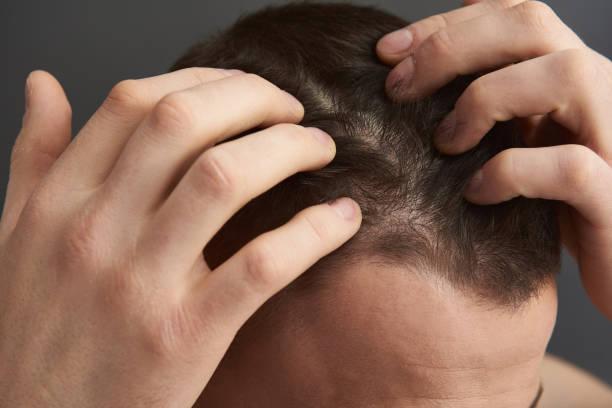
Diffuse hair thinning is a condition where hair becomes evenly thinner across the scalp rather than in one specific area. It can affect both men and women and often develops gradually, making it difficult to notice in the early stages. Modern Hair Loss Treatment options are designed to address this type of hair loss by improving overall scalp health, strengthening follicles, and restoring hair density in a balanced way.
Unlike pattern baldness, diffuse thinning requires a more comprehensive approach because the entire scalp is affected. With the right Hair Loss Treatment, it is possible to slow down shedding, improve hair thickness, and support natural regrowth over time.
What Is Diffuse Hair Thinning?
Diffuse hair thinning refers to a uniform reduction in hair density across the scalp.
How It Appears
Common signs include:
- Overall reduction in hair volume
- Increased visibility of the scalp
- Hair appearing weaker or finer
- Excessive shedding during brushing or washing
- Lack of fullness in hairstyles
How It Differs From Pattern Baldness
- Diffuse thinning affects the entire scalp
- Pattern baldness follows specific areas (hairline or crown)
- Causes are often more varied in diffuse thinning
Causes of Diffuse Hair Thinning
Understanding the cause is essential for selecting the right treatment.
Nutritional Deficiencies
A lack of essential nutrients can weaken hair follicles.
Key deficiencies include:
- Iron
- Protein
- Zinc
- Vitamin D
- Biotin
Stress and Lifestyle Factors
Physical or emotional stress can disrupt the hair growth cycle.
Effects include:
- Sudden shedding
- Slower regrowth
- Temporary thinning across the scalp
Hormonal Imbalances
Hormones play a major role in hair health.
Common triggers:
- Thyroid disorders
- Postpartum hormonal changes
- Menopausal changes
Medical Conditions
Certain illnesses can contribute to diffuse thinning, including:
- Autoimmune conditions
- Chronic infections
- Scalp inflammation
Medication Side Effects
Some medications may trigger temporary hair shedding.
Why Early Treatment Is Important
Early intervention improves outcomes significantly.
Benefits of Early Hair Loss Treatment
- Prevents further thinning
- Improves follicle recovery
- Enhances regrowth potential
- Restores hair density faster
Non-Surgical Treatments for Diffuse Hair Thinning
Most cases respond well to non-invasive therapies.
Topical Treatments
These help stimulate follicles directly.
Benefits:
- Improve scalp circulation
- Strengthen existing hair
- Reduce shedding
Oral Medications
These address internal causes of hair loss.
They may:
- Support hormonal balance
- Slow down shedding
- Improve hair density
PRP Therapy
Platelet-Rich Plasma is a regenerative Hair Loss Treatment.
It works by:
- Using growth factors from the blood
- Reactivating weakened follicles
- Improving hair thickness
Exosome Therapy
A modern regenerative approach that supports cellular repair.
Benefits:
- Enhances follicle communication
- Reduces inflammation
- Encourages regrowth
Low-Level Laser Therapy (LLLT)
Laser therapy improves scalp activity using light energy.
Effects:
- Boosts blood circulation
- Strengthens hair roots
- Supports thicker growth
Lifestyle Support for Diffuse Hair Thinning
Lifestyle changes are essential for improving treatment results.
Nutritional Support
A balanced diet helps restore hair health.
Important nutrients:
- Protein for structure
- Iron for oxygen supply
- Zinc for repair
- Vitamins for growth support
Stress Management
Reducing stress improves hair recovery.
Helpful practices:
- Regular exercise
- Meditation
- Proper sleep
- Relaxation techniques
Hair Care Routine
Gentle care prevents further damage.
Recommendations:
- Use mild shampoos
- Avoid heat styling
- Reduce chemical treatments
- Avoid tight hairstyles
When Hair Transplant Is Needed
In most diffuse thinning cases, surgery is not the first option.
When It May Be Considered
- Advanced thinning with inactive follicles
- Poor response to non-surgical treatments
- Long-term stable hair loss pattern
Hair transplant is less common in diffuse cases but may be recommended selectively.
What Results Can You Expect?
Results vary depending on cause and treatment consistency.
Possible Improvements
- Reduced shedding
- Increased hair thickness
- Improved scalp coverage
- Healthier hair texture
- Better overall density
Timeline for Results
- Initial improvement: 2–3 months
- Visible changes: 4–6 months
- Full results: 6–12 months
Conclusion
Diffuse hair thinning can be distressing, but it is often reversible when addressed early. Modern Hair Loss Treatment options focus on restoring overall scalp health, strengthening follicles, and improving hair density across the entire scalp. With the right combination of medical treatment, nutrition, and lifestyle changes, most individuals can achieve noticeable improvement and regain healthier, fuller-looking hair over time.
Book Your Consultation Today
If you are experiencing diffuse hair thinning, the specialists at Royal Clinic Saudia can help identify the cause and recommend a personalized Hair Loss Treatment plan. Book a consultation today to begin your journey toward stronger, healthier hair.
FAQs:
What is diffuse hair thinning?
It is a condition where hair becomes uniformly thinner across the entire scalp rather than in specific areas.
Can diffuse hair thinning be reversed?
Yes, in many cases it can improve with early and appropriate treatment.
What is the best treatment for diffuse thinning?
Non-surgical options like PRP, medications, and topical treatments are commonly effective.
How long does recovery take?
Visible improvement usually takes several months depending on the cause and treatment plan.




 English
 Arabic
 Spanish
 Portuguese
 Deutsch
 Turkish
 Dutch
Dutch
 Italiano
 Russian
 Romaian
 Portuguese (Brazil)
 Greek
Greek