


Get Ready to Climb India’s Technical Himalayan Peaks
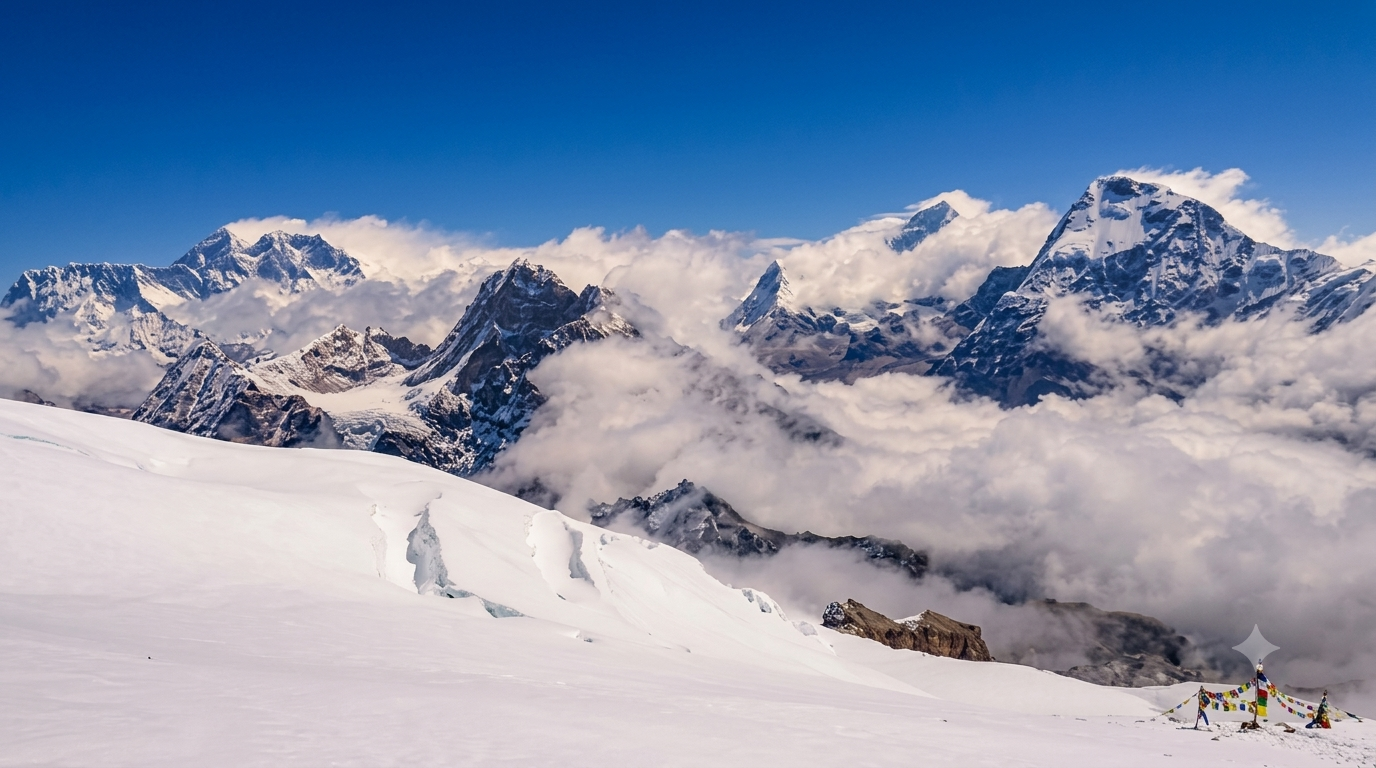
The technical Himalayan peaks in India offer mountaineers an incredible opportunity to progress from basic climbing skills to challenging high-altitude expeditions. From the snow-covered mountains of Himachal Pradesh to the rugged peaks of Uttarakhand and Ladakh, the Indian Himalayas provide varied terrain for climbers looking to develop their experience, endurance, and technical abilities.
However, climbing a Himalayan peak is very different from completing a regular trek. Technical routes may involve glaciers, steep snow slopes, ice climbing, exposed ridges, fixed ropes, and unpredictable weather. Choosing the right mountain depends on your previous experience, physical fitness, technical training, and ability to manage altitude.
Another common question among mountain enthusiasts is: Which peak is called Killer Mountain? Understanding this famous nickname, along with the different levels of Himalayan climbing, helps beginners make better decisions about their mountaineering journey.
In this guide, we explore technical Himalayan peaks in India, suitable climbing objectives, essential preparation, safety considerations, and how to progress towards more demanding expeditions.
What Are Technical Himalayan Peaks?
Technical Himalayan peaks are mountains that require specialized climbing skills and equipment beyond ordinary trekking. Depending on the route, climbers may need to use crampons, ice axes, climbing harnesses, ropes, and glacier-travel techniques.
Unlike a conventional trek, where following a trail and maintaining stamina may be sufficient, technical mountaineering requires climbers to make careful decisions on steep and exposed terrain.
The level of difficulty varies considerably. Some objectives involve relatively straightforward snow slopes, while others require sustained rock and ice climbing at extreme altitude.
Technical climbing typically demands:
-
Strong cardiovascular endurance and muscular strength.
-
Training in ice-axe and crampon techniques.
-
Experience with ropes, harnesses, and fixed-line systems.
-
Knowledge of glacier hazards and avalanche conditions.
-
Acclimatization and an understanding of altitude-related illness.
-
The ability to assess weather, route conditions, and personal limits.
Best Technical Himalayan Peaks in India for Mountaineers
India has several well-known climbing objectives across Himachal Pradesh, Uttarakhand, and Ladakh. They differ in elevation, route conditions, accessibility, and technical requirements.
1. Friendship Peak, Himachal Pradesh
Friendship Peak, approximately 5,289 metres high, is a popular objective for climbers developing their mountaineering experience in the Manali region.
Depending on the route and conditions, the ascent may involve snow travel, glacier terrain, crampons, and an ice axe. It can provide valuable experience for people who have completed formal mountaineering training and want to apply those skills in a mountain environment.
Friendship Peak should not automatically be considered an easy beginner climb. Weather, snow conditions, and individual experience significantly affect its difficulty.
Best suited for: Climbers with appropriate training who want to develop their first high-altitude mountaineering experience.
2. Deo Tibba, Himachal Pradesh
Deo Tibba rises to approximately 6,001 metres in Himachal Pradesh. Its high-altitude environment and potentially demanding glacier and snow sections make it a more serious undertaking than a standard trekking objective.
Climbing conditions vary by route and season. A successful expedition requires sound acclimatization, suitable technical skills, and careful logistical planning.
Deo Tibba can be considered by experienced mountaineers who have already developed confidence on appropriate snow and glacier routes.
Best suited for: Climbers seeking a more demanding expedition after gaining foundational mountaineering experience.
3. Stok Kangri, Ladakh
Stok Kangri is a well-known 6,000-metre-class mountain in the Stok Range near Leh. Its altitude and alpine environment have made it a popular name among Indian adventure enthusiasts.
However, its climbing and access status must be checked carefully before making plans. Availability, permissions, and applicable restrictions can change, so climbers should confirm current conditions with the relevant authorities before booking.
The mountain's altitude also makes acclimatization essential. Physical fitness alone cannot prevent altitude illness.
Best suited for: Appropriately experienced climbers who have verified that a legal and permitted climbing opportunity is available.
4. Shivling, Uttarakhand
Mount Shivling, approximately 6,543 metres high, is one of the most striking mountains in the Garhwal Himalayas. Its steep faces and sharply defined summit have earned it a respected place in Himalayan mountaineering.
Shivling is not an ordinary trekking objective. Depending on the route, climbers encounter serious technical challenges and exposed terrain that require advanced preparation and substantial alpine experience.
Expedition permissions, route access, and local regulations must be confirmed before attempting the mountain.
Best suited for: Experienced alpinists with a strong background in technical climbing.
5. Nanda Devi East, Uttarakhand
Nanda Devi East reaches approximately 7,434 metres and is known for its demanding terrain and serious climbing history. Its altitude, steep slopes, and potential avalanche exposure make it a major expedition objective rather than a suitable first technical peak.
Access to the Nanda Devi region is subject to conservation rules and expedition permissions. Climbers must verify current access conditions and requirements before planning an expedition.
Best suited for: Highly experienced mountaineers with advanced expedition skills and appropriate authorization.
Which Peak Is Called Killer Mountain?
Nanga Parbat is called the Killer Mountain. It rises to approximately 8,126 metres and is located in Gilgit-Baltistan, Pakistan, on the western edge of the Himalayan range. It is the world's ninth-highest mountain and has a long history of difficult and dangerous climbing.
The nickname reflects the mountain's reputation for severe climbing conditions and historical fatalities. Its steep faces, high altitude, exposure, and unpredictable weather have made it one of the most formidable mountains in the Himalayas.
Nanga Parbat is not located in India, although it is relevant when discussing the wider Himalayan mountaineering landscape.
It is also important to distinguish the mountain's reputation from the actual risks of an expedition. Every high-altitude climb carries hazards, and conditions change between routes and seasons. Technical competence, careful planning, suitable equipment, and sound decision-making remain essential.
For beginners, Nanga Parbat should be treated as a distant long-term aspiration, not an initial climbing objective.
How to Choose the Right Technical Himalayan Peak
Choosing a mountain based only on height is a common mistake. A lower peak with difficult rock or ice sections may demand more technical skill than a higher mountain with a comparatively straightforward route.
Consider these five factors before selecting an expedition.
1. Your Previous Experience
Start by assessing your trekking background, altitude experience, and technical training. Experience on demanding trails is valuable, but it does not automatically prepare you for glacier travel or steep ice climbing.
2. Technical Difficulty
Research the actual climbing route rather than relying only on the mountain's published elevation. Ask qualified guides about steep sections, rope systems, glacier hazards, and the skills required.
3. Acclimatization Requirements
Your itinerary should allow time for gradual altitude adjustment. A rushed schedule can increase health risks and reduce your ability to perform safely.
4. Permissions and Access
Check current climbing permissions, protected-area restrictions, local requirements, and seasonal access conditions. Do not assume that a peak is open simply because it appears in an older guide.
5. Expedition Support
Choose a reputable operator with experienced mountain professionals, clear safety procedures, appropriate equipment, and realistic emergency plans.
Training for Technical Himalayan Peaks in India
Preparation should combine endurance, strength, technical instruction, and recovery. Starting several months before an expedition gives you time to improve gradually.
Build cardiovascular endurance: Regular hiking, cycling, running, or stair climbing can help prepare you for long days on steep terrain.
Strengthen your legs and core: Squats, step-ups, lunges, and core exercises can support balance and efficient movement while carrying a backpack.
Practise with a loaded pack: Gradually increase hiking duration and pack weight to develop the endurance required for expedition days.
Learn technical skills: Complete an appropriate mountaineering course and practise rope systems, crampon use, ice-axe techniques, and glacier travel under qualified instruction.
Prioritize recovery: Rest days, adequate nutrition, hydration, and consistent sleep support training progress.
Remember that fitness is only one part of mountaineering readiness. Even an exceptionally fit trekker may lack the technical experience needed for a difficult Himalayan route.
Essential Equipment for Himalayan Mountaineering
The equipment required depends on the peak, route, season, and conditions. A technical expedition may require:
-
Mountaineering boots compatible with the chosen crampons.
-
Crampons and an appropriate ice axe.
-
Climbing helmet, harness, ropes, and suitable protection systems.
-
Insulated clothing and waterproof outer layers.
-
Glacier eyewear, gloves, and sun protection.
-
A suitable backpack and high-altitude sleeping equipment.
-
Headlamp, first-aid supplies, and emergency communication equipment.
Your expedition leader should provide a route-specific equipment list. Practise using your equipment before the climb, and never rely on unfamiliar safety gear during a difficult summit attempt.
Safety Tips for Technical Himalayan Climbing
Safety begins long before reaching base camp. Follow a few essential principles:
-
Train before you climb: Obtain the technical instruction appropriate for your intended route.
-
Ascend gradually: Follow a suitable acclimatization plan and report symptoms of altitude illness immediately.
-
Monitor conditions: Weather, snowfall, and avalanche risks can change rapidly.
-
Respect your limits: Turn around when conditions, fatigue, or technical difficulties make continuing unsafe.
-
Understand emergency procedures: Discuss evacuation options, communication, insurance, and rescue limitations before departure.
-
Follow local regulations: Confirm current permits and access rules with the appropriate authorities.
Severe headache accompanied by confusion, difficulty walking, or breathlessness at rest at altitude may indicate a medical emergency. Stop ascending and seek immediate assistance.
Conclusion: Start Your Himalayan Climbing Journey the Right Way
The technical Himalayan peaks in India provide a wide range of opportunities for mountaineers, from developing foundational skills to undertaking serious high-altitude expeditions. Mountains such as Friendship Peak, Deo Tibba, Shivling, and Nanda Devi East illustrate how dramatically the challenges can vary between objectives.
The key is to choose a mountain that matches your current experience rather than attempting the highest or most famous peak first. Build your skills through structured training, gain experience on suitable objectives, and work with qualified mountain professionals.
And if you have ever wondered, which peak is called Killer Mountain? The answer is Nanga Parbat in Pakistan, a formidable Himalayan summit known for its demanding climbing conditions.
Frequently Asked Questions (FAQs)
1. What are the best technical Himalayan peaks in India?
Friendship Peak, Deo Tibba, Shivling, and Nanda Devi East are among the notable Indian Himalayan climbing objectives. Their difficulty varies, and each requires appropriate preparation, permissions, and route-specific skills.
2. Which peak is called Killer Mountain?
Nanga Parbat, standing approximately 8,126 metres high in Gilgit-Baltistan, Pakistan, is widely known as the Killer Mountain because of its history of dangerous climbing conditions and fatalities.
3. Can beginners climb technical Himalayan peaks?
Beginners can work towards technical Himalayan climbing by completing appropriate mountaineering training and progressing through suitable objectives. Difficult peaks should not be attempted without the necessary skills and experience.
4. What skills are needed for technical Himalayan climbing?
Depending on the route, climbers may need crampon and ice-axe techniques, rope management, glacier-travel knowledge, altitude awareness, and experience assessing mountain hazards.
5. Which Indian Himalayan peak is suitable for a first technical expedition?
Friendship Peak is often considered by trained climbers seeking an initial technical objective. Suitability depends on current route conditions, prior training, physical readiness, and professional guidance.

 English
 Arabic
 French
 Spanish
 Portuguese
 Deutsch
 Turkish
 Dutch
 Italiano
 Russian
 Portuguese (Brazil)
 Greek