


Can Gynecomastia Surgery Provide Long-Lasting Results?
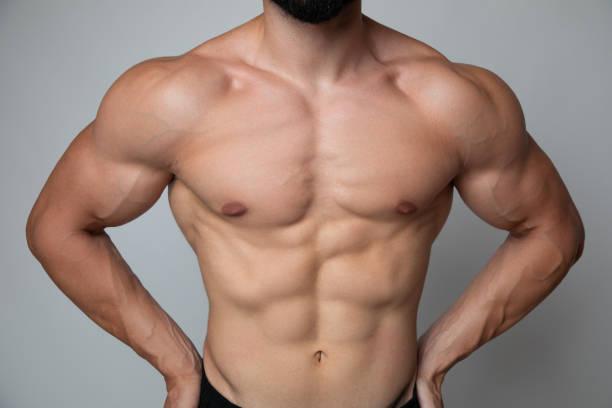
Many men considering male breast reduction want to know whether the results will last or if chest enlargement could return after treatment. Gynecomastia surgery is designed to remove excess glandular breast tissue and, when necessary, reduce additional fat to create a flatter chest contour. In many patients, the improvement can be long-lasting, particularly when the underlying cause has been addressed and body weight remains relatively stable. Understanding gynecomastia surgery in jeddah can help patients learn what influences the durability of results, how recovery affects the final appearance, and which lifestyle habits may help maintain their outcome. A professional assessment is essential to set realistic expectations and determine whether surgery is appropriate.
How Gynecomastia Surgery Creates Lasting Changes
Gynecomastia occurs when glandular breast tissue enlarges in males. Surgery addresses this tissue through excision and may include liposuction when excess fat also contributes to chest fullness.
Removal of Enlarged Glandular Tissue
When enlarged glandular tissue is removed surgically, the treated area can maintain a flatter appearance over the long term. The removed tissue does not simply return on its own, although remaining tissue may still respond to hormonal changes or other contributing factors.
The surgeon must remove an appropriate amount of tissue while preserving a natural chest contour. Removing too little may leave noticeable fullness, while excessive removal can produce an uneven or hollow appearance.
Reduction of Excess Chest Fat
Liposuction may be used to remove localized fat surrounding the glandular tissue. The fat cells removed during the procedure do not grow back in the same way, but the remaining fat cells can enlarge if a person gains weight.
This means that significant weight changes after surgery may affect the chest contour even when the original glandular tissue has been treated.
Factors That Influence Long-Term Results
Although surgery can provide lasting improvement, the durability of the outcome depends on several factors.
Addressing the Underlying Cause
Gynecomastia may develop because of hormonal changes, certain medications, anabolic steroid use, or medical conditions affecting hormone balance. If a contributing factor remains untreated, breast enlargement may persist or recur.
A healthcare professional may review medical history, medications, and symptoms before surgery. Depending on the findings, additional testing or treatment may be recommended. Patients should not stop prescribed medication without consulting the prescribing clinician.
Maintaining a Stable Weight
Weight stability can help preserve the chest contour after surgery. Significant weight gain may increase fat accumulation around the chest, while substantial weight loss can change skin elasticity and overall body proportions.
A balanced diet and sustainable exercise routine can support general health and help maintain a relatively stable body composition.
Individual Healing and Skin Elasticity
Skin elasticity, the amount of tissue removed, and individual healing characteristics influence the final appearance. Some patients develop more visible scars, uneven contours, or loose skin despite appropriate surgical care.
The chest may also continue to change subtly as swelling resolves and tissues settle over several months.
Can Gynecomastia Return After Surgery?
Recurrence is possible, although many patients maintain their improvement for years. The likelihood depends partly on the surgical technique, the amount of glandular tissue remaining, and whether the factors that contributed to the original enlargement continue.
Hormonal Changes
Changes in hormone levels may affect remaining breast tissue. Certain medical conditions or substances can contribute to renewed enlargement, so patients should seek medical advice if they notice new or increasing chest fullness.
Medication and Substance Use
Some medications and anabolic steroids may contribute to gynecomastia. Patients should discuss relevant medications and supplements with their healthcare professional, especially if symptoms develop or change after surgery.
Weight Changes
Weight gain can increase chest fat and alter the overall contour. This does not necessarily mean glandular gynecomastia has returned, because excess fat and glandular tissue are different conditions. A medical assessment can help distinguish between them.
How to Maintain Results After Surgery
Following postoperative instructions and adopting sustainable habits can help protect the result while the body heals.
Follow Recovery Instructions
During the early recovery period, patients should follow guidance about compression garments, incision care, medication, and activity restrictions. Returning to strenuous exercise too soon may interfere with healing and increase discomfort.
Maintain Healthy Lifestyle Habits
Regular physical activity and a balanced diet can support a stable weight and overall well-being. Chest-strengthening exercises may improve muscle definition after recovery, but they do not directly prevent glandular tissue from developing.
Attend Follow-Up Appointments
Follow-up visits allow the surgeon to assess healing and discuss concerns about the developing chest contour. Patients should report new lumps, increasing enlargement, persistent pain, or other unexpected changes rather than assuming they are a normal part of recovery.
For patients considering Gynecomastia Surgery in Riyadh, understanding the importance of follow-up care and long-term habits is a useful part of planning treatment.
When Do the Final Results Become Visible?
The chest may look flatter soon after surgery, but swelling and bruising can temporarily affect its appearance. Over the following weeks and months, swelling gradually subsides and the tissues settle into a more defined contour.
Many patients see substantial improvement within the first several weeks, while the final result may take several months to become clear. The timeline varies according to the extent of the procedure and individual healing.
Patients should avoid judging the final outcome too early and should discuss any persistent concerns during follow-up appointments.
Are Long-Lasting Results Guaranteed?
No surgical procedure can guarantee a permanent appearance that remains unchanged throughout life. Aging, weight changes, hormonal fluctuations, medical conditions, and individual healing can all influence the chest over time.
However, surgery can offer lasting improvement when patients are appropriately selected, the treatment addresses the relevant tissue, and contributing causes are managed where possible. A qualified surgeon should explain both the likely benefits and the limitations before treatment.
A consultation for Gynecomastia Surgery in Riyadh can help patients understand their individual prospects, the possibility of recurrence, and the steps that may support a durable result.
Conclusion
Gynecomastia surgery can provide long-lasting improvement by removing excess glandular tissue and, when appropriate, reducing localized chest fat. Maintaining a stable weight, addressing underlying causes, following recovery instructions, and attending follow-up appointments can help support the outcome. Nevertheless, future hormonal changes, certain medications, and weight fluctuations may affect chest appearance over time.
For personalized guidance about Gynecomastia Surgery in Riyadh, contact Royal Clinic Saudia to arrange a consultation and discuss your treatment goals, expected results, and long-term care with a qualified healthcare professional.

 English
 Arabic
 French
 Spanish
 Portuguese
 Deutsch
 Turkish
 Dutch
 Italiano
 Romaian
 Portuguese (Brazil)
 Greek