


Can You Repair Car Paint Without Repainting the Whole Panel?
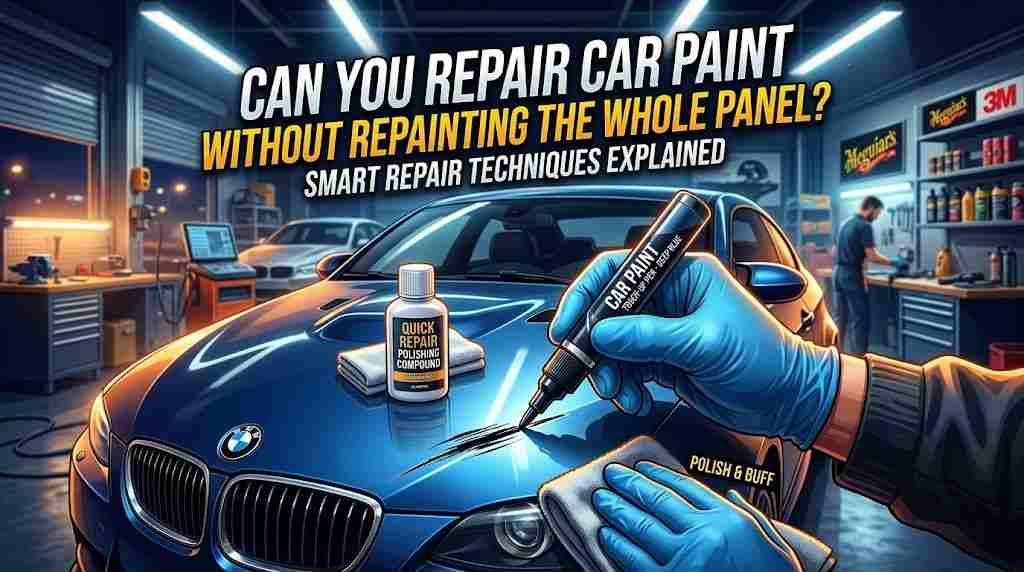
A scratch, paint chip, or small patch of faded paint can make an otherwise beautiful car look worn out. Whether the damage comes from a shopping cart, road debris, a minor parking accident, or everyday driving, many vehicle owners wonder if fixing the problem means repainting the entire panel. Fortunately, that is not always necessary.
In many cases, localized repairs can restore your vehicle's appearance without requiring a complete repaint. If you are considering an Auto paint repair shop Calgary, understanding the available repair methods can help you make an informed decision about the best solution for your vehicle. The right approach depends on the size of the damaged area, the depth of the scratch, the condition of the existing paint, and how closely the repaired section needs to match the surrounding finish.
The good news is that minor paint damage can often be corrected with polishing, touch-up paint, or spot repair techniques. However, deeper scratches, peeling clear coat, and extensive fading may require more involved work. Knowing the difference can help you avoid unnecessary expenses while protecting your car's finish.
Can You Repair Car Paint Without Repainting the Whole Panel?
Yes, car paint can often be repaired without repainting an entire door, fender, bumper, or other body panel. Professional technicians use several methods to address localized damage while preserving as much of the original factory paint as possible.
The key is identifying the type of damage before choosing a repair method. A light surface mark requires a different solution from a scratch that exposes the metal underneath.
For example, a small scuff on a painted bumper may disappear with polishing, while a deep scratch on a door may need primer, color-matched paint, and clear coat. In some situations, technicians can blend the new paint into the surrounding finish so the repaired area looks consistent with the rest of the vehicle.
Although a full-panel repaint is sometimes necessary, it should not automatically be the first option for every paint problem.
Common Methods for Repairing Car Paint Without a Full Repaint
Several techniques can repair minor or localized paint damage. Each has its own advantages and limitations.
1. Paint Correction and Polishing
Paint correction is one of the simplest ways to improve the appearance of minor paint imperfections. It involves carefully removing or reducing a very thin layer of the clear coat to smooth out surface defects.
This method can work well for:
- Light scratches that have not penetrated deeply into the clear coat.
- Swirl marks caused by improper washing.
- Minor scuffs and surface hazing.
- Small areas of dullness or oxidation.
A technician uses suitable polishing compounds and pads to refine the surface and restore gloss.
However, polishing cannot replace missing paint. If a scratch has gone through the clear coat and into the colored base coat, polishing alone will not completely repair it. Excessive polishing can also thin the clear coat, so the process should be performed carefully.
2. Touch-Up Paint for Small Chips and Scratches
Touch-up paint is a practical option for small chips, stone impacts, and narrow scratches. It is available in different forms, including paint pens, small bottles with applicators, and brush-on kits.
For the best results, the paint should match the vehicle's original color code. You can usually find this code on a label inside the driver's door, under the hood, or in your vehicle documentation.
A basic touch-up process involves cleaning the damaged area, allowing it to dry, applying the paint in thin layers, and following the product's instructions for curing. Primer may also be needed if bare metal or another substrate is exposed.
Touch-up paint can protect exposed metal from corrosion and make small defects less noticeable. However, it may leave a visible difference in texture or color if applied too heavily or without proper preparation.
This method is particularly useful when the goal is to protect the paint and improve the appearance of a small defect rather than achieve an entirely invisible repair.
3. Spot Repair for Localized Paint Damage
Spot repair is designed to fix damage confined to a relatively small area instead of refinishing the entire panel.
A technician prepares the damaged section, repairs any surface imperfections, applies the appropriate coatings, and works to blend the new finish into the existing paint.
Spot repair may be suitable for:
- Small scratches on doors or fenders.
- Localized scuffs on bumpers.
- Minor paint damage around a parking-related scrape.
- Small areas where the clear coat or color coat has been damaged.
The main benefit is that the repair can be limited to the affected area, reducing unnecessary work. However, the final result depends on the location of the damage, the paint color, the surrounding finish, and the technician's skill.
Spot repairs are not suitable for every situation. Large damaged areas, difficult-to-match finishes, and paint that is already deteriorating may require a broader repair.
4. Paint Blending
Paint blending helps a repaired area transition naturally into the surrounding finish. Instead of ending the new color at a sharp boundary, a technician gradually blends it into the existing paint.
This technique can be particularly helpful when an exact color match is difficult to achieve. Even when the correct factory paint code is used, age, sunlight exposure, previous repairs, and variations in the original finish can affect how the color looks.
Blending is commonly used when repairing localized scratches and dents, especially on metallic and pearl finishes.
The objective is to make the repaired area difficult to distinguish from the original paint under normal viewing conditions. Depending on the repair system and panel location, the clear coat may also need to be applied over a larger area to achieve a durable, consistent finish.
5. Clear Coat Repair
Modern automotive paint systems commonly include a colored base coat protected by a transparent clear coat. The clear coat provides gloss and helps protect the underlying paint from environmental exposure.
If the clear coat has minor surface defects, polishing may improve the finish. However, if it is peeling, flaking, or extensively deteriorating, polishing will not restore the missing protective layer.
Small, localized clear coat damage may sometimes be repaired without refinishing the whole panel, but the feasibility depends on the extent of the failure and the repair system being used.
When clear coat deterioration is widespread, refinishing a larger section or the entire panel is often the more durable option.
How to Tell Whether Your Car Needs a Full Panel Repaint
Although localized repairs can solve many paint problems, some damage requires more extensive refinishing. Recognizing the warning signs can help you choose the right solution.
Deep Scratches That Expose Primer or Metal
If a scratch reveals a different-colored layer beneath the paint or exposes bare metal, the damage extends beyond the clear coat. Polishing will not repair it.
A deeper scratch may require surface preparation, primer where appropriate, color-matched paint, and clear coat. If the damaged area is small, a localized repair may be possible. Larger or more visible damage may call for repainting the panel.
Bare metal should be addressed promptly because moisture can lead to corrosion.
Peeling or Flaking Paint
Peeling paint often indicates that the coating has lost adhesion or that the clear coat has deteriorated. Applying new paint over loose or failing material will not provide a reliable repair.
The damaged coating must be removed or prepared until a stable surface is reached. If the problem extends across a large area, a full-panel repaint may be necessary.
Extensive Fading or Discoloration
Sunlight, environmental exposure, and age can gradually change the appearance of automotive paint. If only a small area looks dull, polishing might help.
However, when the color has faded unevenly across a panel, localized paint may stand out against the surrounding finish. A larger refinishing area can provide a more uniform result.
Multiple Scratches Across One Panel
Several scratches scattered across a door or fender may make individual spot repairs less practical. Treating each defect separately can create inconsistent color or texture.
In this situation, repainting the whole panel may produce a cleaner and more consistent finish than repairing each damaged spot individually.
What Factors Affect the Cost of Localized Car Paint Repair?
The cost of repairing paint without repainting an entire panel varies depending on several factors. There is no single price that applies to every vehicle or type of damage.
Size and Depth of the Damage
Small surface scratches generally cost less to correct than deep scratches requiring primer, base coat, and clear coat. The larger the damaged area, the more preparation and materials the repair may require.
Vehicle Paint Color and Finish
Solid colors can sometimes be easier to match than certain metallic, pearl, or specialty finishes. These finishes may reflect light differently depending on the viewing angle, making a seamless repair more challenging.
Location of the Damaged Area
A scratch on a relatively accessible, flat section may be easier to repair than damage near sharp body lines, edges, or complex bumper contours.
Condition of the Existing Paint
If the surrounding paint is in good condition, a localized repair may blend more successfully. If the finish is faded, peeling, or has been poorly repaired in the past, additional preparation may be needed.
Labor and Materials
Professional repairs may involve cleaning, sanding, masking, priming, color matching, blending, curing, and polishing. The cost depends on which steps are necessary and how much labor the job requires.
When comparing estimates, ask whether the proposed repair includes the necessary preparation, protective coatings, and color blending. A lower initial price is not always the best value if the finish does not last.
Can You Repair Car Paint Yourself?
DIY paint repair can be effective for small chips and minor surface marks, particularly when the goal is to improve appearance and protect exposed material.
Before attempting a repair, inspect the damage in good lighting and clean the area. Determine whether the mark is a surface scuff, a scratch through the clear coat, or a chip exposing the underlying layer.
For a light scratch, a suitable automotive polish may be enough. For a small chip, a color-matched touch-up product may provide a practical solution.
However, avoid aggressive sanding, household cleaning products, and untested chemicals. These can damage the finish or make the problem worse.
Professional assistance is generally the better choice when the damage is deep, the paint is peeling, rust is present, or a nearly invisible finish is important. Modern automotive coatings also require appropriate equipment, ventilation, and safety precautions.
How to Make a Localized Paint Repair Last Longer
Once your paint has been repaired, a few simple habits can help preserve the finish.
- Wash your car correctly: Use automotive shampoo, a clean microfiber wash mitt, and gentle washing techniques to reduce scratches.
- Remove contaminants promptly: Bird droppings, tree sap, and road grime can damage paint if left untreated.
- Protect the finish: Use a suitable automotive wax or paint sealant once the repaired coating has fully cured and the product instructions allow it.
- Park thoughtfully: Covered parking can reduce exposure to sunlight, falling debris, and harsh weather.
- Address chips early: Repairing small chips can help prevent corrosion when the underlying metal is exposed.
- Avoid rushing the curing process: Fresh paint needs time to cure. Follow the technician's or product manufacturer's instructions before washing, waxing, or exposing the repaired area to certain conditions.
Regular care will not prevent every paint problem, but it can help maintain your vehicle's appearance and reduce the likelihood of avoidable damage.
Conclusion
Yes, you can often repair car paint without repainting the whole panel. Techniques such as polishing, touch-up paint, spot repair, paint blending, and localized clear coat work can address many minor imperfections while preserving the original finish. The best method depends on the depth of the damage, the condition of the surrounding paint, and the quality of the result you want.
For small chips and light scratches, a simple repair may be enough. Deep scratches, peeling clear coat, widespread fading, and extensive damage may require a more comprehensive approach. Having the damage assessed before choosing a repair method can help you avoid unnecessary costs and achieve a more durable result.
If you are unsure which option is right for your vehicle, consulting a qualified repair professional can help you understand the available solutions. Calgary Autobody Repairs can be a relevant option to explore when looking for guidance on restoring your vehicle's finish. With the right repair method and proper aftercare, you can improve your car's appearance, protect its paint, and avoid repainting an entire panel when it is not necessary.

 English
 Arabic
 French
 Spanish
 Portuguese
 Deutsch
 Dutch
 Italiano
 Russian
 Romaian
 Portuguese (Brazil)
 Greek