


Ama Dablam Weather: Best Months, Seasons & Conditions
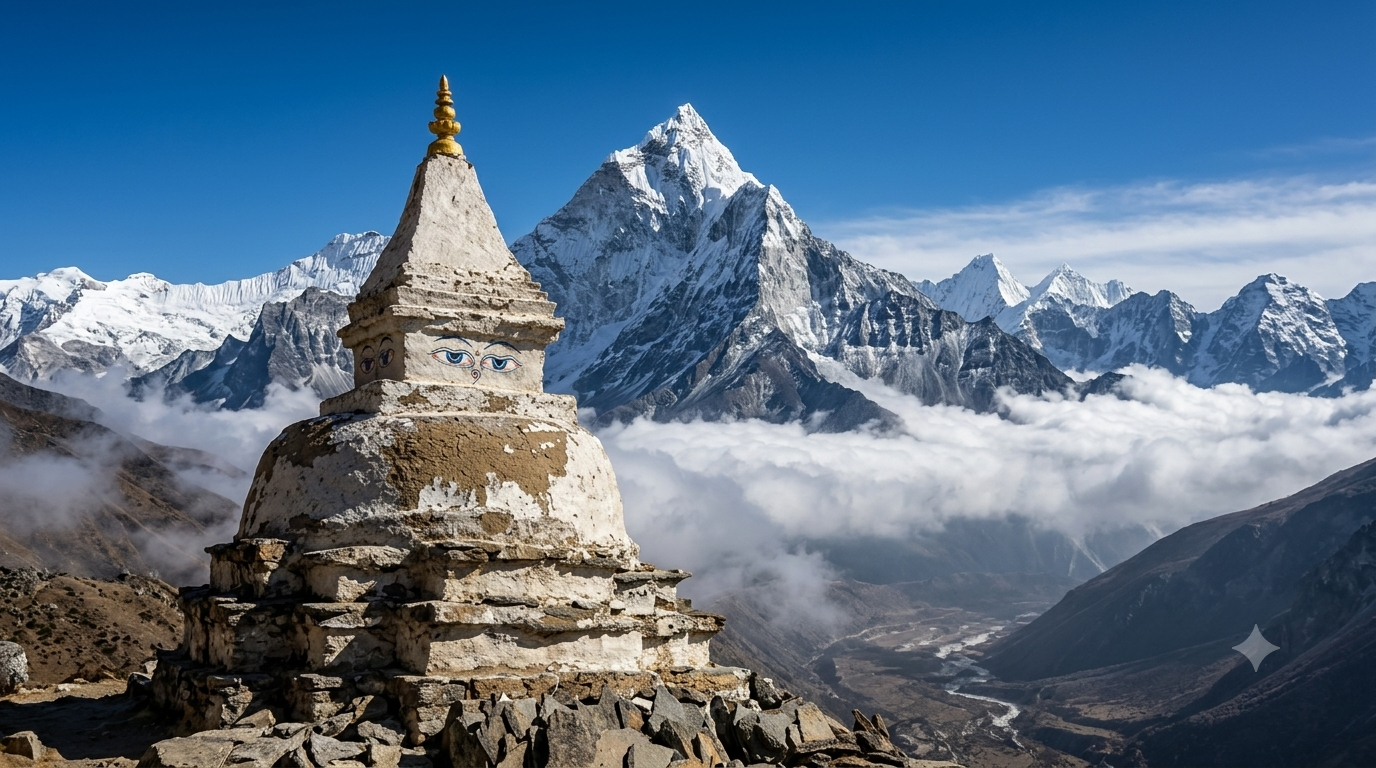
Planning an expedition to Ama Dablam requires more than physical training and technical climbing experience. Understanding Ama Dablam weather is equally important because wind, snowfall, freezing temperatures, and sudden changes in visibility can affect every stage of the climb. Located in Nepal’s Khumbu region, Ama Dablam rises to 6,812 metres and is famous for its dramatic ridges, distinctive pyramid-like summit, and demanding technical route.
Although spring and autumn are the main seasons considered for climbing, neither guarantees safe conditions. Weather at base camp can differ considerably from conditions on exposed ridges and higher camps. Climbers must consider forecasts, snow and ice conditions, acclimatization, and the experience of their expedition team before choosing a summit window.
This guide explains Ama Dablam’s seasonal weather, what to expect month by month, when climbing conditions are generally more favourable, and why this iconic Himalayan mountain attracts climbers from around the world.
Understanding Ama Dablam Weather
Ama Dablam experiences significant weather variations because of its elevation and exposed position in the Himalayas. Lower villages along the approach may feel relatively mild during sunny afternoons, while higher camps can experience severe cold, strong winds, and rapidly changing conditions.
Temperature alone does not determine whether a summit attempt is safe. Wind chill, fresh snowfall, snow stability, visibility, and the condition of technical climbing sections all influence the decision.
Nepal receives much of its annual precipitation during the summer monsoon, while autumn often brings clearer skies after the rains. However, these are broad regional patterns rather than a reliable forecast for an individual climbing day.
Before departure, climbers should obtain current mountain forecasts through their expedition team and remain prepared to delay or abandon a summit attempt.
Ama Dablam Weather Month by Month
The following overview describes typical seasonal tendencies rather than guaranteed temperatures or climbing conditions.
January: Deep Winter Conditions
January brings severe cold and winter conditions to the high Himalayas. Strong winds, snowfall, and icy terrain can make technical climbing especially demanding.
Ama Dablam is generally not a preferred month for standard commercial climbing expeditions. The combination of cold, limited weather windows, and challenging snow conditions requires substantial winter mountaineering experience.
February: Cold and Unpredictable
February remains a winter month at high altitude. Although conditions may improve during individual periods, temperatures can remain extremely low, and fresh snowfall may affect route safety.
Climbers considering a winter expedition need specialized preparation, suitable equipment, and experienced professional support. It is not a month to choose simply to avoid the main climbing-season crowds.
March: Early Spring Transition
March marks the transition towards spring, but Ama Dablam's upper slopes can still experience winter-like conditions. Snow accumulation, cold winds, and changing temperatures may affect access to higher camps.
Conditions generally become more favourable as spring progresses, but early-season expeditions should be planned around actual route reports rather than the calendar alone.
April: Spring Climbing Season
April is commonly considered part of the main spring climbing window. Longer daylight hours and seasonal changes can support expedition planning, although cold temperatures and strong winds remain possible.
Teams must still assess snow stability, ice conditions, and the forecast before moving above base camp. A sunny approach does not mean that exposed climbing sections will remain safe.
May: Late Spring and Pre-Monsoon Changes
May is another established spring climbing month. Conditions can offer suitable summit opportunities, but temperatures and weather patterns may become less predictable as the season progresses towards the monsoon.
The timing of a summit attempt depends on the forecast, snow and ice conditions, and the team's acclimatization schedule. Climbers should avoid treating any particular week as a guaranteed weather window.
June: Beginning of the Monsoon Period
June marks the beginning of the main monsoon period across much of Nepal. Increasing precipitation and cloud cover can affect travel, visibility, and mountain access.
At Ama Dablam's elevation, precipitation may fall as snow, while lower sections may experience rain. Route conditions can deteriorate, making this an unfavourable period for most standard climbing itineraries.
July: Peak Monsoon Influence
July is typically associated with substantial monsoon activity in Nepal. Cloud, precipitation, and poor visibility can complicate the approach and reduce the availability of suitable climbing windows.
Landslides and travel disruption may also affect lower-elevation logistics. Most climbers should look towards established spring or autumn windows instead of planning a conventional Ama Dablam expedition during this period.
August: Late Monsoon Conditions
August generally remains within the monsoon season. Although individual days may be clear, that does not establish a dependable period for a technical high-altitude ascent.
Wet approach trails, snowfall at higher elevations, and changing mountain conditions can create logistical and climbing challenges. Expedition dates should be selected with professional advice and current information.
September: Transition Towards Autumn
September can bring a gradual transition away from the monsoon, but conditions vary depending on the timing of the seasonal change.
Early September may still experience considerable precipitation and cloud cover. Later in the month, opportunities may improve, although climbers should not assume that the entire month offers stable weather.
October: A Popular Autumn Window
October is widely regarded as one of Nepal's favourable months for mountain travel because post-monsoon conditions can bring clearer skies and improved visibility.
For Ama Dablam, autumn expedition planning often focuses on October, while individual summit attempts depend on wind, snowfall, and route conditions. Colder nights and strong winds remain possible at high camps.
November: Late Autumn and Increasing Cold
November is another established period for Himalayan climbing, particularly earlier in the month. Clear conditions may continue, but temperatures generally become colder as winter approaches.
Shorter daylight hours and changing wind conditions can influence summit schedules. Teams need adequate insulation, flexible plans, and conservative turnaround decisions.
December: Winter Returns
December brings increasingly harsh winter conditions at high altitude. Severe cold, snow, and strong winds may limit safe climbing opportunities.
This period is generally unsuitable for standard Ama Dablam expeditions unless a team has the appropriate winter experience, equipment, and logistical support.
Best Time to Climb Ama Dablam
For many expedition teams, spring (April–May) and autumn (October–November) are the principal periods considered for an Ama Dablam climb.
Spring offers a seasonal transition towards warmer conditions, while autumn often benefits from clearer post-monsoon skies. Neither season is automatically safer in every year, and conditions can differ substantially between individual weeks.
When choosing dates, consider:
-
Current forecasts for the mountain and planned camps.
-
Recent snowfall and the stability of snow and ice.
-
Wind speeds along exposed ridges.
-
The time needed for acclimatization and climbing rotations.
-
Flexibility to postpone a summit attempt.
-
The operator's emergency and evacuation arrangements.
Why Is Ama Dablam So Famous?
Ama Dablam is famous for its striking shape, technical climbing route, mountaineering history, and cultural significance in Nepal's Khumbu region. Although it is lower than Mount Everest, its exposed ridges and steep climbing sections make it a respected objective for experienced alpinists.
1. Its Distinctive Mountain Shape
Ama Dablam has a sharp summit and long ridges that create a dramatic silhouette against the Himalayan skyline. It is often compared to the Matterhorn because of its striking profile.
Its appearance makes it a favourite subject for photographers and trekkers travelling towards Everest Base Camp.
2. Its Technical Climbing Challenge
The mountain demands more than endurance. Depending on the route and conditions, climbers may need to manage steep rock, snow, ice, exposed ridges, and fixed-rope sections.
This combination attracts mountaineers who want to apply and develop advanced technical skills on a major Himalayan objective.
3. Its Mountaineering History
Ama Dablam was first successfully climbed in 1961 by Mike Gill, Barry Bishop, Mike Ward, and Wally Romanes via the Southwest Ridge. Its subsequent climbing history has helped establish its reputation as one of Nepal's best-known technical mountains.
4. Its Cultural Importance
The name Ama Dablam is commonly interpreted as “Mother's Charm Box.” The mountain's ridges are associated with a mother's protective arms, while the hanging glacier resembles a traditional pendant worn by Sherpa women.
Its presence in the Khumbu landscape gives the mountain significance beyond its appeal as a climbing objective.
How Weather Affects Safety on Ama Dablam
Mountain weather must be treated as a safety issue, not simply a matter of comfort. Strong winds can make exposed ridges more hazardous, while fresh snow may affect route stability and obscure established climbing lines.
Low visibility can complicate navigation, and extreme cold can reduce dexterity when handling technical equipment. Weather delays may also extend the expedition and increase fatigue.
Climbers should follow their expedition leader's assessment, monitor changing conditions, and respect turnaround times. Symptoms such as confusion, difficulty walking, or breathlessness at rest at altitude require immediate medical attention and assistance.
What Should Climbers Pack for Ama Dablam Weather?
A suitable equipment system helps manage cold, wind, and changing conditions. Depending on the season and operator's requirements, climbers may need:
-
Moisture-wicking base layers and insulating mid-layers.
-
A suitable insulated jacket and waterproof, windproof shell.
-
Technical mountaineering boots compatible with the required crampons.
-
Warm gloves, spare gloves, and appropriate headwear.
-
Mountaineering helmet, harness, and specified climbing equipment.
-
Protective eyewear and high-SPF sun protection.
-
A suitable sleeping bag and headlamp with spare batteries.
Confirm the final equipment list with your expedition operator. All technical equipment should be compatible with the planned route, and climbers should practise using it before the expedition.
Conclusion
Understanding Ama Dablam weather helps climbers choose a suitable expedition period and prepare for the mountain's changing conditions. Spring and autumn are commonly preferred, but no month guarantees safe weather or a successful summit.
Ama Dablam's distinctive shape, technical climbing challenges, rich mountaineering history, and cultural significance explain why it remains one of Nepal's most admired mountains. For climbers considering this objective, careful preparation, appropriate technical experience, professional guidance, and flexible decision-making are essential.
Plan around current conditions rather than fixed seasonal expectations, and remember that turning around when the weather becomes unsafe is part of responsible mountaineering.
Frequently Asked Questions (FAQs)
1. What is the best month to climb Ama Dablam?
April, May, October, and November are commonly considered within the main spring and autumn climbing windows. Actual suitability depends on current weather, route conditions, and the expedition team's assessment.
2. How cold is Ama Dablam?
Temperatures vary considerably with elevation, season, wind, and time of day. Higher camps can experience severe sub-zero conditions, so climbers need an expedition-specific clothing and equipment system.
3. Is Ama Dablam safe to climb in October?
October can offer favourable seasonal conditions, but it is not automatically safe. Wind, snowfall, ice conditions, and individual weather forecasts must be assessed before every climbing stage.
4. Why is Ama Dablam so famous?
Ama Dablam is known for its dramatic pyramid-like profile, exposed technical climbing route, first ascent in 1961, and cultural significance to communities in the Khumbu region.
5. Is Ama Dablam suitable for beginners?
Ama Dablam is not recommended as a first technical mountaineering objective. Climbers should have substantial experience with alpine terrain, ropes, crampons, ice axes, and high-altitude expeditions.
Ready for Your Next Himalayan Adventure?
Explore trekking and mountaineering experiences with TrekYaari and start planning your next journey.
Start Your Trekking Journey: www.trekyaari.com

 Arabic
 French
 Spanish
 Portuguese
 Deutsch
 Turkish
 Dutch
 Italiano
 Russian
 Romaian
 Portuguese (Brazil)
 Greek