


Everest Base Camp Trek India: How Hard Is the Trek?
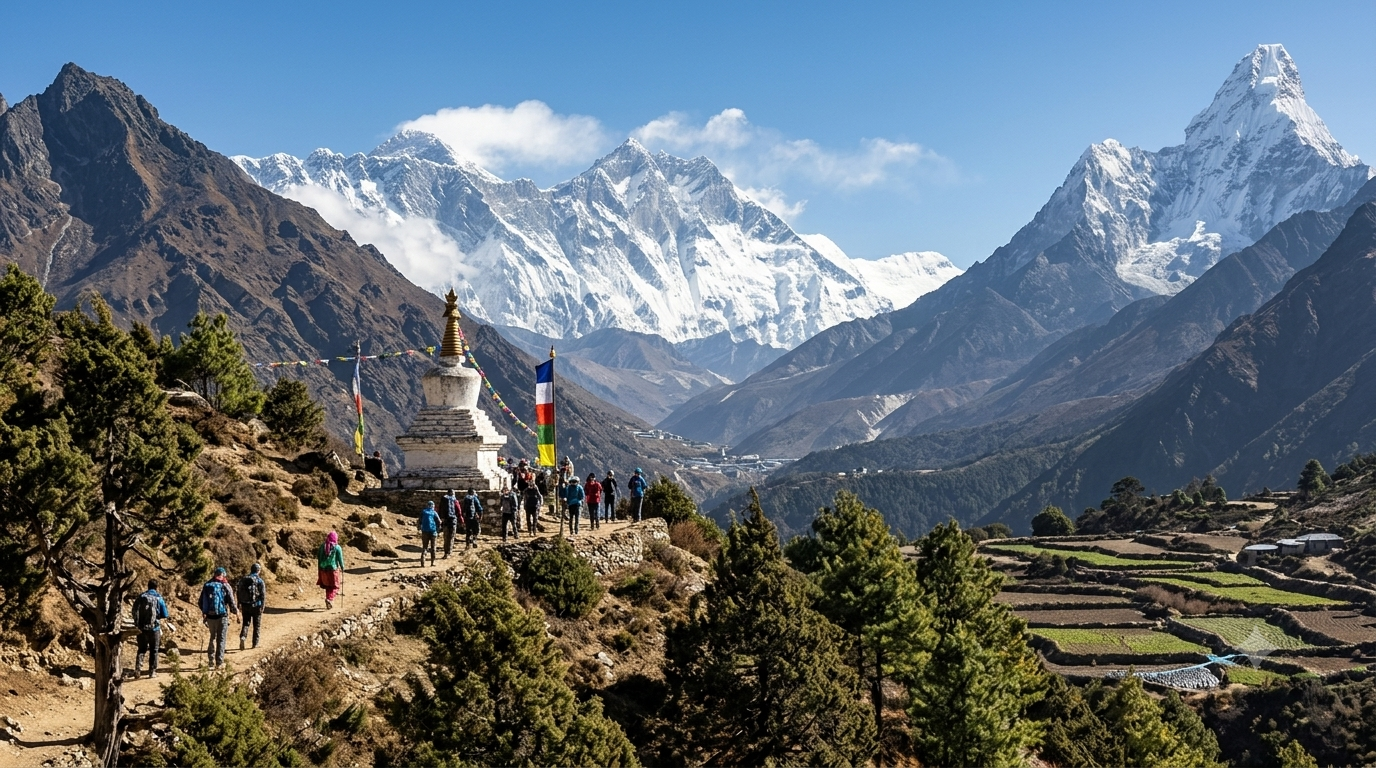
Planning the everest base camp trek india is an exciting goal for anyone who dreams of walking beneath the world’s highest mountain. From traditional Sherpa villages and suspension bridges to dramatic Himalayan landscapes, the journey offers much more than reaching Everest Base Camp. It is a test of patience, preparation, and your ability to adapt to high-altitude conditions.
For Indian trekkers, the experience is achievable with sensible training, a well-planned itinerary, suitable equipment, and enough time to acclimatise. But how challenging is the trail, what should you prepare for, and can you combine the trek with an Ama Dablam Base Camp extension? This guide explains the essentials before you start planning.
What Is the Everest Base Camp Trek?
The Everest Base Camp trek is a high-altitude hiking adventure in Nepal’s Khumbu region. The traditional route begins with a flight from Kathmandu to Lukla, followed by a trek through mountain settlements, forests, river valleys, and rugged alpine terrain.
Everest Base Camp lies at approximately 5,364 metres (17,598 feet). Many trekkers also hike to Kala Patthar, a famous viewpoint that offers spectacular views of Mount Everest and neighbouring peaks.
The route passes through places such as Phakding, Namche Bazaar, Tengboche, Dingboche, Lobuche, and Gorak Shep. Along the way, trekkers encounter Buddhist monasteries, prayer flags, yak caravans, and the distinctive culture of Sherpa communities.
According to the Nepal Tourism Board, the classic journey generally takes around two weeks, with acclimatisation stops forming an important part of the route. The exact duration depends on your itinerary and travel arrangements.
How Difficult Is the Everest Base Camp Trek?
The Everest Base Camp trek is generally considered moderately difficult to challenging. It does not normally require technical climbing skills on the standard route, but it demands good stamina, consistent walking, and the ability to manage altitude.
The challenge comes from several factors:
1. High Altitude
Altitude is one of the biggest challenges. As you climb higher, the available oxygen pressure decreases, making ordinary activities feel more demanding. You may notice breathlessness, headaches, reduced appetite, or unusual fatigue.
Acclimatisation days help your body adjust gradually, but they cannot eliminate the risk of altitude sickness. Never ignore worsening symptoms or continue ascending when you feel seriously unwell.
2. Long Walking Days
Most trekking days involve several hours of walking, often over uneven stone paths, steep staircases, and rocky sections. The distance may not look extreme on a map, but repeated ascents and descents can leave your legs tired.
3. Cold and Changing Weather
Temperatures can drop significantly at higher elevations, particularly at night and during early-morning walks. Wind, snowfall, rain, and changing trail conditions can also affect your progress.
4. Basic Mountain Accommodation
Teahouses provide a place to sleep and eat along much of the route, but facilities become simpler at higher elevations. You should be prepared for cold rooms, limited hot water, and basic amenities.
Is the Trek Suitable for Beginners?
Yes, beginners can attempt the trek if they are reasonably fit, prepare consistently, and follow a safe itinerary. Previous high-altitude trekking experience is helpful but not always essential.
However, being a beginner does not mean rushing the journey. Build your walking endurance, schedule acclimatisation days, and choose a responsible trekking operator. Your ability to adapt to altitude matters just as much as your fitness.
How Should Indian Trekkers Prepare for Everest Base Camp?
Preparing for the everest base camp trek india should begin several weeks or months before departure. A structured routine can make long walking days more manageable.
Build Cardiovascular Endurance
Include brisk walking, jogging, cycling, or stair climbing in your weekly routine. Gradually increase the duration rather than trying to do too much at once.
Practise Walking With a Backpack
Use the shoes and backpack you plan to take on the trek. Start with shorter walks and gradually increase the distance and load. This helps identify discomfort before you reach Nepal.
Strengthen Your Legs and Core
Exercises such as squats, step-ups, lunges, calf raises, and planks can improve stability and endurance. Include recovery days so your body has time to adapt.
Prepare Mentally
Some days may feel repetitive or tiring, especially when the trail climbs steadily. Learn to maintain a comfortable pace, take breaks when needed, and avoid comparing your progress with other trekkers.
Fitness preparation is important, but it cannot guarantee protection against altitude illness. Consult a healthcare professional before departure if you have concerns about your suitability for high-altitude travel.
What Is the Best Time for the Everest Base Camp Trek?
The two popular trekking seasons are spring and autumn. Both offer opportunities for mountain views, although weather conditions can vary from year to year.
Spring: March to May
Spring attracts trekkers who want milder daytime conditions and the possibility of seeing rhododendrons at lower elevations. As the season progresses, trekking routes become busy, especially around popular stops.
Autumn: September to November
Autumn is another popular period, particularly after the summer monsoon begins to withdraw. Clear mountain views are possible, although cold conditions become more noticeable as the season advances.
Winter can bring severe cold and snow, while monsoon months may involve rain, cloud, and travel disruption. The best dates depend on current forecasts, trail conditions, and flight availability.
Rather than selecting dates based on scenery alone, allow flexibility for delays and changing conditions.
A Typical Everest Base Camp Trek Route
The following outline gives an overview of the classic route. It is an indicative sequence, not a fixed itinerary; daily distances and overnight stops vary by operator.
-
Kathmandu: Arrive, organise permits and equipment, and prepare for the trek.
-
Lukla to Phakding: Begin walking through the lower Khumbu region.
-
Phakding to Namche Bazaar: Cross suspension bridges and climb toward the main Sherpa trading town.
-
Namche Bazaar: Spend time acclimatising and exploring nearby trails.
-
Tengboche: Continue through mountain villages and visit the famous monastery area.
-
Dingboche: Gain altitude gradually and take a planned acclimatisation break.
-
Lobuche to Gorak Shep: Follow rugged high-altitude terrain toward the final settlement.
-
Everest Base Camp: Walk to the base camp and return according to the itinerary.
-
Kala Patthar: If conditions and your itinerary permit, hike to this celebrated viewpoint.
-
Return to Lukla: Descend through the Khumbu region before flying back to Kathmandu.
The Nepal Tourism Board outlines the traditional route through Namche Bazaar, Tengboche, Dingboche, Lobuche, and Gorak Shep. Its guidance also emphasises allowing time to acclimatise. Check current route and permit requirements before travelling.
What Should You Pack for the Trek?
Packing appropriately helps you stay comfortable when temperatures and conditions change.
Your essential list should include:
-
Broken-in trekking boots with reliable grip
-
Moisture-wicking base layers and warm insulating layers
-
A waterproof and wind-resistant jacket and trousers
-
Warm gloves, a hat, and sun protection
-
A comfortable backpack and a water bottle or hydration system
-
Sunglasses suitable for strong mountain sunlight
-
A headlamp, personal toiletries, and basic first-aid supplies
-
Trekking poles if you find them useful
-
Any prescribed medication and personal medical essentials
Layering is more practical than relying on one heavy jacket. Keep important items dry, and check your operator’s equipment list before buying or renting gear.
Essential Safety Tips for the Everest Base Camp Trek
A successful trek is not just about reaching the destination. It is about making sensible decisions throughout the journey.
-
Follow a gradual itinerary with appropriate acclimatisation days.
-
Walk at a pace that allows you to breathe comfortably.
-
Stay hydrated and eat regularly, even when your appetite decreases.
-
Tell your guide immediately if you develop symptoms of altitude sickness.
-
Descend and seek medical assistance if symptoms worsen; severe symptoms require urgent action.
-
Carry suitable travel insurance that covers high-altitude trekking and emergency evacuation where applicable.
-
Allow buffer days for weather-related flight delays and other disruptions.
Never assume that physical fitness alone makes you immune to altitude sickness. Your health and safety should always take priority over a summit viewpoint or a fixed schedule.
Frequently Asked Questions
1. How difficult is the Everest Base Camp trek for Indian beginners?
It is achievable for many beginners with good preparation, a sensible pace, and adequate acclimatisation. The main challenges are altitude, long walking days, and cold weather rather than technical climbing.
2. How many days are needed for the Everest Base Camp trek?
Many classic itineraries take around 12–14 days for the trekking journey, with additional time needed for arrival, departure, and possible delays. The exact schedule depends on acclimatisation and the route selected.
3. Do I need mountaineering experience for Everest Base Camp?
No technical mountaineering experience is normally required for the standard trekking route. However, you should be comfortable with sustained walking and prepared for high-altitude conditions.
4. What is the highest altitude reached on the trek?
Everest Base Camp is approximately 5,364 metres above sea level. Kala Patthar, a popular viewpoint on many itineraries, reaches roughly 5,545 metres.
5. Can I add Ama Dablam Base Camp to my Everest trek?
Yes, some itineraries include an Ama Dablam Base Camp extension. It adds walking and planning requirements, so discuss acclimatisation, extra days, and route conditions with your trekking operator.
6. Is the Everest Base Camp trek worth it?
For travellers who enjoy mountain landscapes, cultural experiences, and multi-day hiking, it can be an unforgettable journey. Good preparation and realistic expectations help make the experience more rewarding.
Final Thoughts
The everest base camp trek india is a challenging but achievable adventure for trekkers who prepare carefully. You do not need to be an expert climber, but you do need endurance, patience, suitable equipment, and respect for the effects of altitude.
Choose a season that suits your priorities, build your fitness gradually, and avoid itineraries that rush acclimatisation. If you want to explore beyond the classic route, an Ama Dablam Base Camp extension may offer another memorable perspective on the Khumbu region.
Plan your trek around safety rather than speed, and give yourself enough time to enjoy the journey—not just the destination.
Ready to plan your Himalayan adventure? Explore trekking experiences and expedition information on TrekYaari’s official website.

 English
 Arabic
 French
 Spanish
 Portuguese
 Turkish
 Dutch
 Italiano
 Russian
 Romaian
 Portuguese (Brazil)
 Greek