


How to Manage Severe Tooth Pain Before Your Emergency Appointment
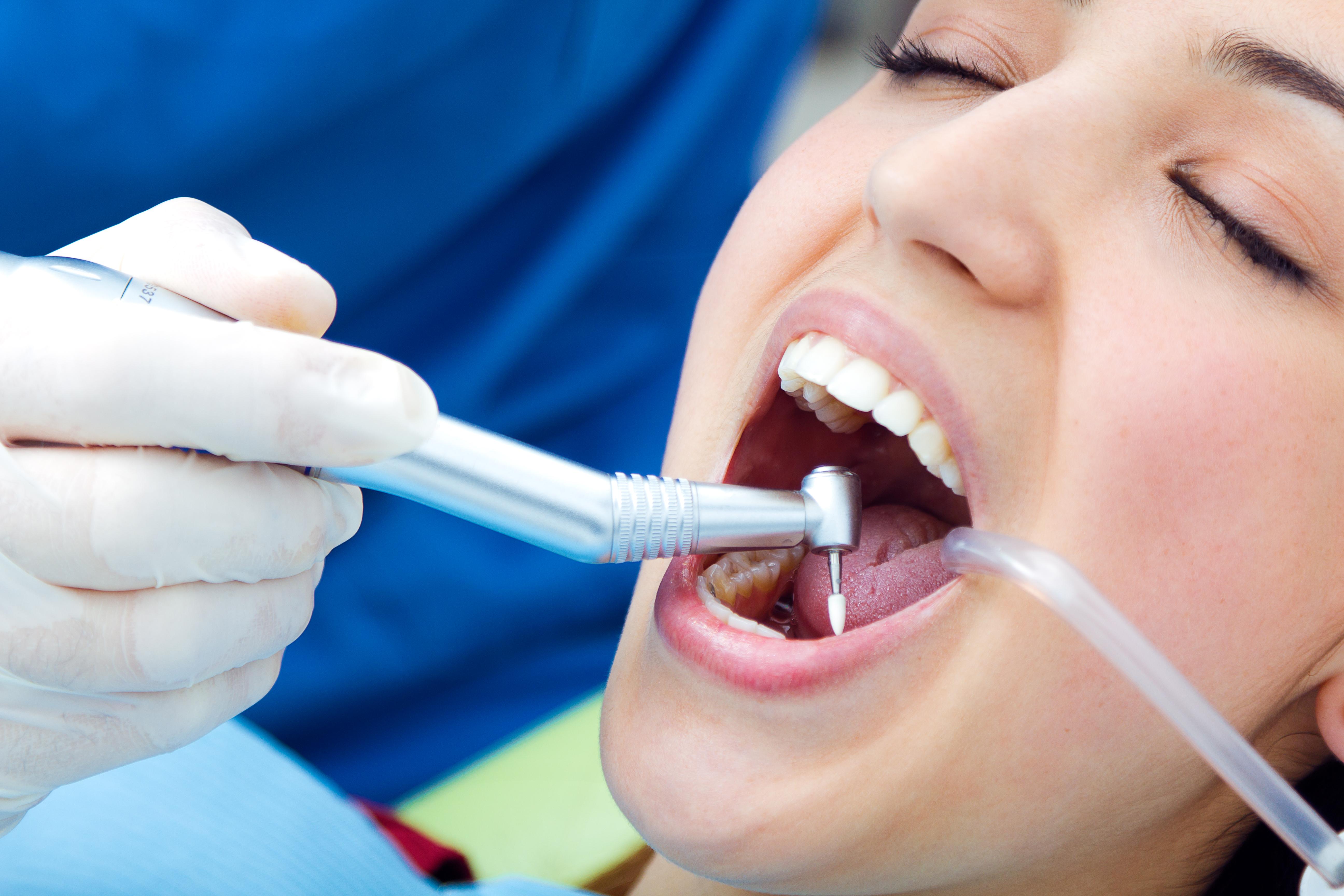
Severe tooth pain has a way of stopping everything. It makes eating impossible, ruins sleep, and turns a regular afternoon into a stressful countdown to your next appointment. Most people in that position search for anything that might help in the meantime. The good news is that several approaches genuinely work to reduce the pain temporarily.
None of these replaces treatment, but they can make the waiting period far more bearable. Below, we’re sharing tips to manage pain before your emergency appointment with an emergency endodontist in Irvine.
Start With What's Already in Your Medicine Cabinet
Over-the-counter pain relief is the most immediate and accessible option. NSAIDs such as ibuprofen or naproxen can help relieve inflammation and give some respite from the pain. If NSAIDs aren't an option, acetaminophen is a good alternative for temporary pain relief from a toothache. The important thing is to take these consistently as directed rather than waiting until the pain peaks. Letting the medication wear off completely before taking the next dose means riding waves of intense pain that are harder to bring back down.
Ibuprofen tends to work better for tooth pain specifically because it targets inflammation, which is often a major part of what's causing the pressure. Follow the dosing instructions carefully and don't exceed the recommended amount.
Cold Compress on the Outside, Not Ice on the Tooth
This distinction matters. Placing ice directly on a painful tooth can intensify the pain, especially when the nerve is already inflamed or the pulp is infected. The right approach is to apply cold to the outside of the face.
Applying a cold compress to the outside of the cheek can help reduce inflammation and numb the area, providing temporary pain relief. The cold temperature constricts blood vessels, which can dull pain and reduce swelling. Apply a cold compress wrapped in a cloth for 15 to 20 minutes and repeat every few hours as needed. Keep a barrier between the ice pack and your skin to avoid irritation.
Heat is a different story. For most tooth infections, heat draws blood to the area and can make swelling and throbbing noticeably worse. Stick to cold on the outside of the face and avoid any hot compresses near an infected tooth.
Clove Oil: The One Natural Remedy That Actually Has Clinical Backing
Most home remedies for tooth pain are questionable at best. Clove oil is the exception. Clove oil contains eugenol, a naturally occurring anesthetic and antiseptic. When applied directly to a sore tooth or inflamed gum, eugenol temporarily blocks pain signals and reduces minor inflammation. It has appeared in dental offices as a component in certain cements and dry socket treatments for decades.
To use clove oil, soak a cotton ball with two to three drops and place it directly on the painful tooth for about ten minutes. Mix it with a carrier oil like olive oil if it feels too strong on its own. Never apply undiluted clove oil directly to gum tissue, as it can cause irritation or a burning sensation. Also, keep it away from children who might swallow it.
Salt Water Rinse: Simple but Genuinely Useful
A warm saltwater rinse does two things. It gently cleans the area around the infected tooth and reduces bacterial load in the mouth, and it helps reduce swelling in the surrounding gum tissue. Dissolve half a teaspoon of salt in eight ounces of warm water and swirl the solution in the mouth for about thirty seconds before spitting it out. The warm saltwater helps reduce inflammation and acts as a gentle disinfectant, providing temporary relief.
This is especially useful if there's visible swelling along the gum line. Do this two to three times throughout the day while waiting for your appointment. It won't cure the problem, but it keeps the environment around the tooth cleaner and can take some of the edge off the inflammation.
How You Sleep Matters More Than You'd Think
Tooth pain almost always feels worse at night. There's a straightforward reason for this. Tooth abscess pain tends to get worse when lying down, known as positional pain. Sleeping on a wedge pillow to elevate the head can reduce the pain and even help with sleep.
Keeping the head raised reduces blood pressure in the affected area, which directly reduces the throbbing sensation that makes nighttime tooth pain so unbearable. A few extra pillows work fine if a wedge pillow isn't available. Also, sleep on the opposite side from the painful tooth to avoid direct pressure on that area of the face.
What to Avoid in the Hours Before Your Appointment
Knowing what makes tooth pain worse is just as useful as knowing what helps. Several common habits can significantly intensify the pain and make the wait much harder:
-
Avoid hot drinks and food entirely, as heat can trigger intense nerve responses in an infected tooth
-
Stay away from anything cold directly on the tooth, even though cold compresses on the cheek are helpful
-
Skip anything sweet or acidic, since both can irritate exposed dentin and inflamed pulp tissue
-
Don't try to drain or pop an abscess, as this risks pushing bacteria deeper into the tissue
Do not attempt to drain an abscess yourself. If there is a fever, spreading swelling, or severe pain, seek immediate care from an emergency dentist. These symptoms signal that the infection is moving beyond the tooth itself.
When Pain Management Isn't Enough
There's a clear line between managing discomfort while waiting for an appointment and ignoring a situation that needs immediate care. If the face is swelling visibly, if there's a fever, if swallowing becomes difficult, or if the pain is so severe that no over-the-counter medication is touching it, that's the moment to stop waiting and get seen immediately. Emergency endodontists near you handle exactly these situations, and getting there faster is always better than trying to tough it out.
Pain This Bad Deserves a Real Solution
Every approach mentioned here buys time, and that's genuinely valuable. But tooth infections don't resolve on their own. The only way to actually stop the pain is to treat the source. An endodontist in San Diego or wherever you're located can diagnose the cause, relieve the infection, and save the tooth before the situation escalates further. Don't let temporary relief become a reason to delay the care that actually fixes the problem.
Use these strategies to get through the night or the next few hours. Keep the appointment. Keep the tooth.

 English
 Arabic
 French
 Spanish
 Portuguese
 Deutsch
 Turkish
 Dutch
Dutch
 Italiano
 Russian
 Romaian
 Greek
Greek