


Male Fertility Test for Low Sperm Count: What You Need to Know
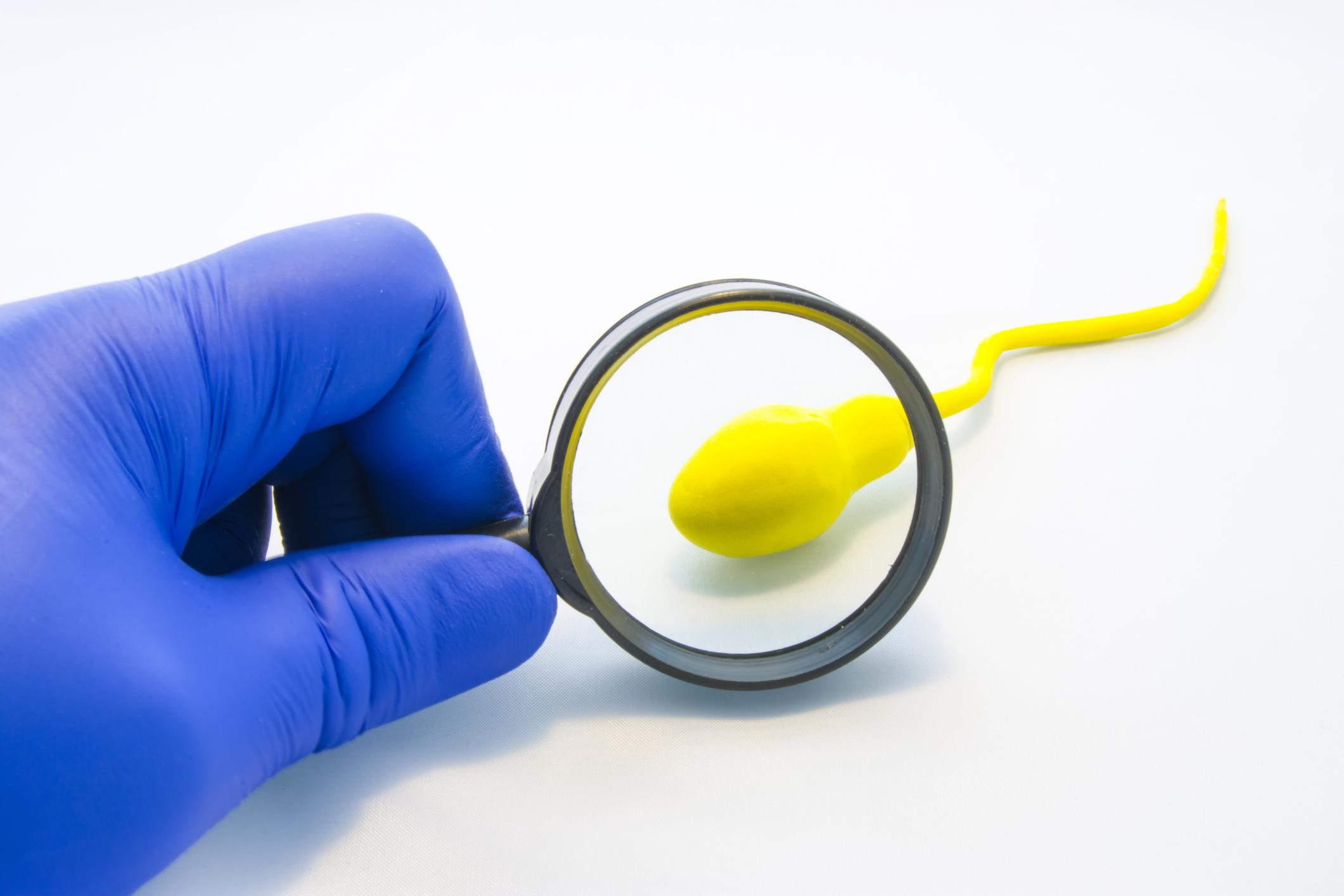
A low sperm count can raise important questions when you are trying to conceive. You may wonder whether your sperm production is normal, what could be causing the problem, and whether treatment can improve your chances of becoming a father. A Male Fertility Test in Dubai is often the first step toward finding answers.
The good news is that a low sperm count does not automatically mean infertility. Many men with reduced sperm numbers can still conceive naturally, while others may benefit from medical treatment or assisted reproductive techniques. The most important step is understanding what your test results mean and identifying any underlying causes.
This guide explains how male fertility testing works, how low sperm count is diagnosed, which factors may contribute to it, and what you can do after receiving an abnormal result.
What Does a Low Sperm Count Mean?
Low sperm count, medically known as oligozoospermia, means that the concentration of sperm in semen is below the laboratory's reference range.
A semen analysis measures sperm concentration in each milliliter of semen and may also calculate the total number of sperm in the entire ejaculate. These measurements are related but not identical. A man can have a reasonable sperm concentration but a low total sperm number if his semen volume is small.
The World Health Organization's sixth edition of its semen examination manual reports a lower fifth-percentile reference value of approximately 16 million sperm per milliliter for sperm concentration and approximately 39 million sperm per ejaculate for total sperm number.
These values are reference points based on men whose partners conceived. They are not strict boundaries between fertility and infertility. A result below a reference value does not prove that natural conception is impossible, and a result above it does not guarantee pregnancy.
A healthcare professional interprets sperm count alongside motility, morphology, medical history, and the reproductive health of both partners.
How Does a Male Fertility Test Diagnose Low Sperm Count?
The primary test used to investigate low sperm count is a semen analysis, also called a sperm count test. It examines a semen sample in a laboratory to assess the quantity and characteristics of sperm.
1. Sperm concentration and total sperm number
The laboratory measures how many sperm are present per milliliter and may calculate the total sperm number in the complete sample. These measurements help identify whether sperm concentration or overall sperm production may be reduced.
2. Sperm motility
Motility describes how sperm move. Progressive motility refers to sperm that move forward effectively, which is important for reaching and fertilizing an egg.
A normal sperm count does not necessarily mean motility is normal. That is why a complete semen analysis provides more useful information than sperm count alone.
3. Sperm morphology
Morphology refers to sperm shape and structure. The laboratory evaluates the proportion of sperm that meet established criteria for typical morphology.
Abnormal morphology can occur alongside low sperm count, but it must be interpreted in context. No single semen parameter can reliably predict whether conception will occur.
4. Semen volume and other characteristics
Semen volume and other characteristics can help clinicians understand the results. For example, a very low semen volume combined with a low sperm count may prompt further investigation into ejaculation or obstruction of the reproductive tract.
If the first semen analysis is abnormal, a clinician may recommend repeat testing because sperm parameters can vary between samples.
What Happens During a Sperm Count Test?
For most men, the testing process is straightforward and non-invasive.
Before collection: The laboratory commonly recommends avoiding ejaculation for two to seven days. Follow the exact instructions provided by the facility, since preparation requirements can vary.
During collection: The sample is usually collected by masturbation into a sterile container supplied by the laboratory. Avoid unapproved lubricants or ordinary condoms because some products can interfere with sperm measurements.
After collection: The sample is examined under controlled conditions. If collection takes place at home, the laboratory will explain how quickly the sample must arrive and how it should be transported.
When results are available: A clinician reviews the report, explains any abnormalities, and decides whether additional testing is appropriate.
If part of the sample is lost or spilled, inform the laboratory. Do not assume that the result will remain accurate without this information.
Why Might a Man Have a Low Sperm Count?
Low sperm count can have several causes. Identifying the underlying factor is important because treatment options depend on the diagnosis.
Hormonal imbalances
Sperm production depends on signals from the brain and hormones produced by the pituitary gland and testicles. Follicle-stimulating hormone (FSH), luteinizing hormone (LH), and testosterone all play important roles.
Hormonal disorders can interfere with sperm production. A clinician may request blood tests when sperm concentration is very low, no sperm are detected, or symptoms suggest an endocrine problem.
Varicocele
A varicocele is an enlargement of veins within the scrotum. In some men, it is associated with impaired sperm production or semen quality. Not every varicocele requires treatment, so a specialist must determine whether it is clinically significant.
Infections and reproductive tract obstruction
Certain infections or previous inflammation may affect reproductive function. In some cases, sperm production is normal, but a blockage prevents sperm from entering the ejaculate.
Additional investigations may help distinguish between impaired sperm production and an obstruction.
Genetic and medical conditions
Genetic factors, undescended testicles, testicular injury, previous surgery, chemotherapy, and some other medical conditions can affect sperm production.
When sperm concentration is severely reduced or sperm are absent, a clinician may consider genetic testing or other specialized investigations.
Medications and lifestyle factors
Testosterone replacement therapy and anabolic steroids can suppress the hormones needed for sperm production. Some medications and medical treatments may also affect fertility.
Smoking, heavy alcohol consumption, recreational drug use, obesity, and certain environmental exposures may contribute to reproductive health problems. However, lifestyle factors are not responsible for every case of low sperm count.
Which Additional Tests May Be Needed?
A semen analysis is often the starting point, but it may not explain why sperm count is low. Depending on the initial findings, a clinician may recommend further investigations.
| Additional test | Why it may be recommended |
|---|---|
| FSH and LH blood tests | To assess hormonal signals involved in sperm production |
| Testosterone test | To investigate suspected low testosterone or hormonal dysfunction |
| Physical examination | To assess testicular size, reproductive anatomy, and possible varicocele |
| Genetic testing | In selected cases of severe sperm production problems |
| Scrotal ultrasound | When examination findings or symptoms indicate a need for imaging |
| Specialized reproductive testing | To investigate selected sperm or reproductive tract concerns |
Not every man needs every test. The appropriate plan depends on sperm count, symptoms, medical history, and examination findings.
Can Low Sperm Count Be Improved?
In some cases, yes. Improvement depends on the cause, how severely sperm production is affected, and whether the underlying condition can be treated.
For example, correcting a relevant hormonal disorder may improve sperm production. Selected men with a clinically significant varicocele may benefit from treatment after specialist assessment. If a medication is contributing to the problem, a clinician may review whether a safe alternative is available.
Lifestyle changes can also support reproductive health:
-
Stop smoking and avoid recreational drugs.
-
Avoid testosterone or anabolic steroids unless their use has been specifically reviewed with a clinician who understands your fertility goals.
-
Maintain a balanced diet with vegetables, fruits, whole grains, healthy fats, and adequate protein.
-
Exercise regularly and work toward a healthy weight.
-
Limit heavy alcohol consumption.
-
Get sufficient sleep and avoid unnecessary exposure to excessive heat when practical.
Sperm production takes approximately 74 days, followed by further maturation and transport. Therefore, changes may take around three months or longer to be reflected in a semen analysis.
Lifestyle improvements are beneficial for general health, but they cannot guarantee a normal sperm count. Supplements marketed for male fertility also have mixed evidence, and high doses of some nutrients can be harmful. Seek professional advice before using fertility supplements.
What If Your Sperm Count Is Extremely Low or Zero?
A very low sperm count may require more detailed evaluation. If no sperm are identified in the ejaculate, the condition is called azoospermia. It differs from oligozoospermia, in which sperm are present but their concentration is low.
Azoospermia does not always mean that sperm cannot be retrieved or used for fertility treatment. In selected cases, specialists may investigate whether sperm production is impaired or whether a blockage is preventing sperm from reaching the semen.
Depending on the diagnosis, options may include treating an underlying condition, addressing an obstruction, or considering sperm retrieval and assisted reproductive techniques.
These approaches are not suitable for everyone. A reproductive specialist can explain the likely benefits, limitations, costs, and alternatives based on the individual findings.
When Should You Seek Medical Advice?
Consider arranging a male fertility evaluation if a home sperm test shows a low result, a laboratory semen analysis is abnormal, or you have known risk factors such as previous testicular injury, undescended testicles, reproductive surgery, or treatment that may affect sperm production.
Couples are generally advised to seek fertility evaluation after 12 months of trying to conceive without success, or after six months if the female partner is 35 or older. Earlier assessment is appropriate when either partner has known fertility concerns.
Seek prompt medical attention for sudden or severe testicular pain or significant swelling. These symptoms should not be treated as routine fertility issues.
A fertility evaluation should ideally involve both partners. Pregnancy depends on multiple factors, and examining both reproductive systems can help identify the most appropriate next steps.
Frequently Asked Questions:
Can I still father a child with a low sperm count?
Yes, natural conception may still be possible. The likelihood depends on sperm concentration, motility, other semen characteristics, and the reproductive health of both partners.
Should I repeat my sperm count test?
A repeat semen analysis is often recommended when the initial result is abnormal. Sperm parameters can fluctuate because of illness, collection conditions, abstinence duration, and other factors.
Does a low sperm count always cause symptoms?
No. Many men with low sperm count have no obvious symptoms. Fertility testing may be the first indication of a reproductive issue.
Can a home sperm test diagnose male infertility?
Most home tests provide limited screening information and do not assess every parameter included in a laboratory semen analysis. An abnormal home result, or ongoing difficulty conceiving despite a normal home result, may warrant professional evaluation.
Final Thoughts:
A male fertility Lab tests for low sperm count can provide essential information about sperm production and help guide further investigation. Semen analysis measures sperm concentration alongside other characteristics, while hormone testing, physical examination, and selected additional tests may help explain abnormal findings.
A low result is not a final verdict on your ability to become a parent. Some causes are treatable, and appropriate fertility care may offer additional options when natural conception is difficult.
The most important step is to understand the result rather than relying on the sperm count alone. Work with a qualified healthcare professional to confirm abnormal findings, investigate possible causes, and develop a plan that reflects your health and family-building goals.

 English
 Arabic
 Spanish
 Portuguese
 Deutsch
 Turkish
 Dutch
 Italiano
 Russian
 Romaian
 Portuguese (Brazil)
 Greek