


What Should Buyers Ask a Time Relay Wholesaler?
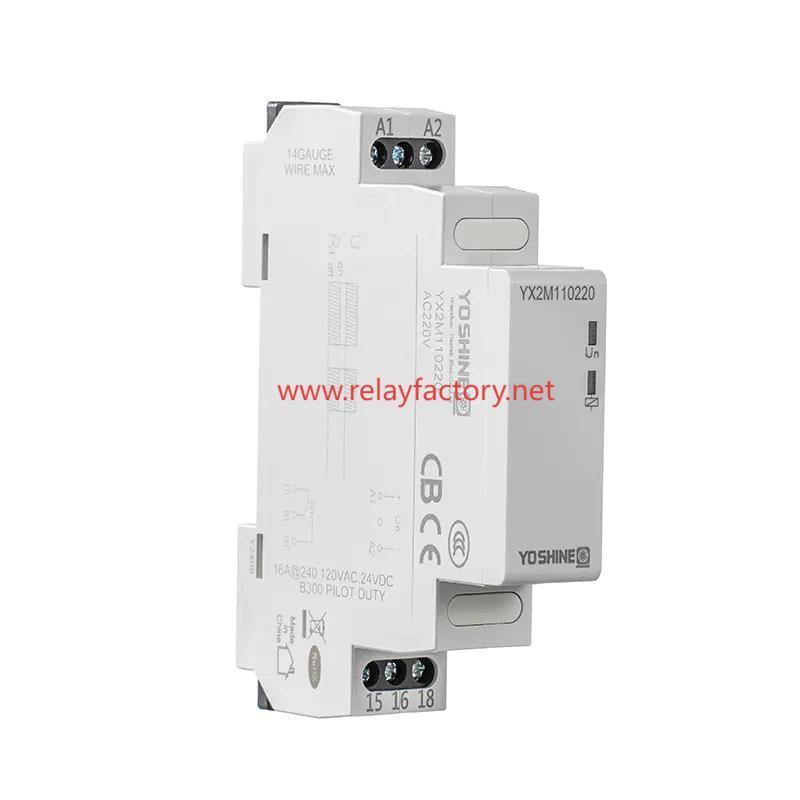
Time Relay Wholesaler selection requires buyers to consider product suitability, purchasing flexibility, order documentation, and supply coordination. For electrical distributors, equipment manufacturers, and importers, a well-organized procurement process begins with clear specifications and realistic demand estimates. Reviewing these details before placing an order can help businesses manage inventory, organize incoming goods, and meet customer requirements.
Prepare a Clear Product Requirement List
Before requesting a quotation, buyers should prepare a list of the models they intend to purchase. Relevant information may include model numbers, rated voltage, output contact configuration, operating functions, adjustment range, and installation method.
This information is especially useful for businesses serving customers across different industries. Two products with similar appearances may have different electrical ratings or operating functions, so model identification should be based on technical documents rather than photographs alone.
Buyers should also separate standard purchasing needs from project-specific requests. A distributor may require regular inventory for common applications while ordering other configurations only after receiving a confirmed customer request. Separating these categories makes purchasing forecasts more practical.
Review Quotations Using the Same Criteria
A quotation should be assessed as a complete purchasing proposal rather than judged by unit price alone. Buyers should confirm the selected model, order quantity, packaging method, payment terms, shipping arrangements, and any applicable customization charges.
When comparing suppliers, use the same specification list for each inquiry. This makes differences in product configurations and commercial terms easier to identify. If a quotation does not clearly identify the selected model, request clarification before making a purchasing decision.
Packaging costs can also affect the overall budget. For international shipments, buyers should consider carton dimensions, product protection, labeling, and the number of units packed in each carton. These details may influence storage arrangements and freight planning.
Build an Inventory Plan Around Customer Demand
Wholesale purchasing requires coordination between customer demand and available stock. Buyers can use historical sales, confirmed orders, current inventory, and estimated replenishment periods to prepare an order plan.
Frequently requested models may justify a planned reserve quantity, while products intended for individual projects may be purchased against confirmed requirements. The appropriate approach depends on sales patterns, available storage, and purchasing budgets.
Warehouse records should distinguish goods available for dispatch from items awaiting inspection, production, or delivery. This separation helps staff provide accurate information to customers and reduces the risk of promising stock that has not yet arrived.
A regular inventory review can also reveal which configurations receive recurring requests and which remain unused. Purchasing decisions can then reflect actual demand rather than relying entirely on estimates.
Define Receiving Inspection Requirements
Before accepting a shipment, buyers should determine how the delivered products will be checked against the purchase order. Depending on the agreed specifications, receiving inspection may include model identification, visual condition, terminal arrangement, electrical ratings, and functional testing.
For components used in control panels or automated equipment, the technical datasheet and wiring diagram can help the receiving team verify the ordered configuration. Any discrepancy should be recorded with relevant details, such as the model label, affected quantity, and inspection findings.
Buyers should discuss the inspection scope with the manufacturer before production or shipment. Written acceptance criteria help both parties understand which records are required and how potential issues will be communicated.
Maintain Records for Future Orders
Repeat purchasing becomes easier when the original order information remains accessible. Businesses should retain approved model details, quotations, purchase orders, packaging instructions, inspection records, and shipping documents.
If a customer requests a modification, the updated requirement should be recorded separately from the previous specification. This helps prevent an outdated configuration from being ordered by mistake.
Buyers should also ask how product revisions are communicated. If a change affects electrical ratings, dimensions, wiring, or operating functions, the purchasing team may need engineering approval before placing another order. Keeping relevant departments informed supports more consistent purchasing decisions.
Coordinate Supply Arrangements with the Manufacturer
Clear communication helps purchasing teams plan quantities, receiving schedules, and customer deliveries. Before confirming an order, buyers should discuss production arrangements, packaging requirements, shipping documents, and procedures for handling changes.
At relayfactory, buyers can review timing control product information and discuss requirements for industrial applications. Providing a product list, estimated quantities, intended uses, and packaging preferences can make the inquiry more specific and help both parties review the proposed order.For distributors, importers, and equipment manufacturers sourcing electrical control components, a documented purchasing process can support inventory management and future planning. Visit https://www.relayfactory.net/ to review available products and contact the team about technical specifications, wholesale quantities, and order arrangements.

 English
 Arabic
 French
 Spanish
 Portuguese
 Deutsch
 Dutch
 Italiano
 Russian
 Romaian
 Portuguese (Brazil)
 Greek