


Can Plasma Pen Treatment Help Improve Skin Texture?
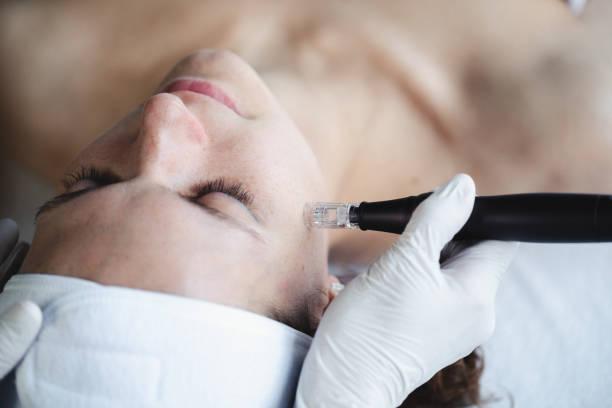
Smooth, healthy-looking skin can be affected by several factors, including aging, sun exposure, acne scars, enlarged pores, and changes in collagen production. These factors may contribute to rough patches, fine lines, uneven surfaces, and visible imperfections. For individuals exploring facial plasma in riyadh, understanding how this procedure works and which texture concerns it may address can help them make informed skincare decisions.
Skin texture varies naturally from person to person, and not every irregularity requires a cosmetic procedure. Some concerns are related to dryness or surface buildup, while others involve deeper changes in the skin. Identifying the cause is important because treatments that improve hydration may not address acne scars, and procedures designed to stimulate skin renewal may not be appropriate for every skin type.
What Is Plasma Pen Treatment?
Plasma pen treatment is a cosmetic procedure that uses a device to create a small electrical arc, producing a controlled thermal effect on the skin's surface. This creates tiny areas of injury that activate the body's natural healing response. The procedure is promoted for concerns such as mild skin laxity, fine lines, and selected surface irregularities.
The intended effect is to encourage a repair process that may influence the appearance of the treated skin. However, plasma pen treatment deliberately creates thermal injury and should not be considered a risk-free skin-rejuvenation method. Its effectiveness for improving overall skin texture is not firmly established across all concerns, and outcomes can vary depending on the treatment area, technique, and individual skin characteristics.
Can Plasma Pen Treatment Improve Skin Texture?
Potential Changes in Skin Appearance
Some providers promote plasma pen procedures as a way to improve the appearance of mild surface irregularities and fine lines. As the treated skin heals, a person may notice changes in its appearance. However, the degree of improvement is unpredictable, and reliable evidence for treating different types of textural concerns remains limited.
People considering Plasma Pen Treatment in Riyadh should ask which specific concern the procedure is intended to address. A treatment that may be discussed for mild skin laxity is not necessarily suitable for enlarged pores, deep acne scars, active acne, or uneven pigmentation. A qualified professional should explain the expected benefits without guaranteeing smooth or flawless skin.
Factors That Influence Results
Several factors can affect the outcome of a cosmetic skin treatment, including age, skin type, sun exposure, the severity of the concern, and the body's healing response. The practitioner's experience and the technique used also influence safety and results.
The underlying cause of rough or uneven skin is particularly important. Dehydration may improve with an appropriate skincare routine, while deeper scars may require targeted procedures. A professional assessment helps distinguish these concerns and determine whether a plasma pen procedure has a reasonable role in the treatment plan.
What to Expect During a Plasma Pen Procedure
Consultation and Skin Assessment
Before treatment, a qualified medical professional should review your skin concerns, medical history, current medications, previous cosmetic procedures, and history of abnormal scarring or pigmentation changes. They should examine the treatment area and determine whether the procedure is appropriate for your skin type and goals.
The consultation should include a discussion of possible side effects, healing time, realistic outcomes, and alternative options. Ask about the provider's training, experience with the device, and procedures used to reduce complications. Be cautious if a provider promises guaranteed results or describes the treatment as completely risk-free.
During Treatment
If you are considered a suitable candidate, the skin is generally cleansed, and a topical anesthetic may be used according to the practitioner's protocol. The device is then applied to selected points on the skin, creating small areas of controlled thermal injury. You may experience warmth, stinging, or discomfort during the procedure.
The duration depends on the size of the treatment area and the plan agreed upon with the practitioner. Because the procedure intentionally injures the skin, visible marks, redness, swelling, and small scabs may develop afterward. Appropriate technique and careful selection of treatment areas are essential.
Recovery and Aftercare for Better Skin Healing
Common Recovery Effects
Following treatment, the skin may appear red, swollen, or tender, and tiny scabs can form over treated spots. The recovery period varies according to the treatment intensity, the area involved, and individual healing. Temporary changes in appearance should not be confused with the final outcome.
Avoid picking scabs, scratching the skin, or using harsh exfoliants while the area heals. These actions can increase the risk of infection, scarring, and pigmentation changes. Follow the practitioner's instructions and avoid introducing irritating skincare products until the skin has recovered sufficiently.
Protecting the Skin
Sun protection is important after any procedure that disrupts the skin barrier. Once the skin is ready for sunscreen, follow professional guidance on suitable broad-spectrum protection. Avoid tanning and protect the treated area from excessive sunlight during recovery.
Seek medical advice if you develop worsening pain, spreading redness, discharge, or other signs of infection. People with persistent pigmentation changes or unexpected scarring should also seek professional assessment rather than attempting to correct the problem with additional cosmetic treatments.
Risks and Limitations to Consider
Plasma pen treatment is not suitable for everyone. Potential complications include burns, infection, prolonged swelling, scarring, uneven skin texture, and temporary or persistent pigmentation changes. These risks are especially relevant for people who are prone to post-inflammatory hyperpigmentation or abnormal scar formation.
The procedure may be inappropriate for certain active skin conditions, infections, or healing problems. Treating skin with existing texture concerns can sometimes make irregularities more noticeable if complications develop. Plasma Pen Treatment in Riyadh should therefore be considered only after an individualized assessment and a clear discussion of its limitations.
Alternatives for Improving Skin Texture
The most suitable treatment depends on the cause of the texture concern. Several alternatives have established uses for specific skin problems:
Medical-Grade Skincare
Gentle cleansing, regular moisturizing, and daily broad-spectrum sunscreen can support the skin barrier and help prevent further sun-related damage. Certain ingredients, such as retinoids, may improve some forms of uneven texture over time, but they can irritate sensitive skin and should be introduced with appropriate guidance.
Chemical Peels
Selected chemical peels may help improve superficial roughness, clogged pores, and some forms of uneven pigmentation. The formulation and strength should be chosen according to the skin concern and individual skin characteristics.
Microneedling and Laser Treatments
Microneedling and certain fractional laser treatments may be considered for selected acne scars and textural irregularities. Both require professional assessment, and the choice of treatment should take skin tone, scar type, and the risk of pigmentation changes into account.
No single procedure is ideal for every person. A tailored approach may combine appropriate skincare with a targeted professional treatment.
Is Plasma Pen Treatment the Right Choice for You?
Plasma pen treatment may be promoted for mild skin irregularities, but its effectiveness for overall skin texture remains uncertain, and its risks need careful consideration. Identifying the cause of the concern is often more useful than choosing a procedure based on general skin-rejuvenation claims.
If you are considering Plasma Pen Treatment in Riyadh, contact Royal Clinic Saudia to arrange a consultation and discuss your skin goals. A qualified professional can assess your skin, explain suitable options, and help you understand the potential benefits, limitations, and recovery requirements before you decide on treatment.

 English
 Arabic
 French
 Spanish
 Deutsch
 Turkish
 Dutch
 Italiano
 Russian
 Romaian
 Portuguese (Brazil)
 Greek