


Nuclead Manufacturing Co Inc – Quality Lead Plates and Precision Lead Shapes for Specialized Applications
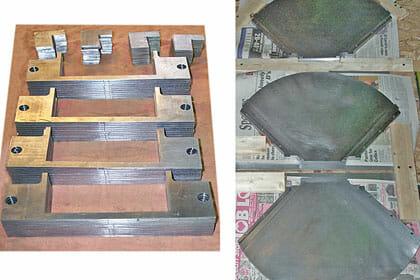
1. Introduction to Lead Plate and Lead Shapes
Nuclead Manufacturing Co Inc provides standard and custom lead products for industrial, construction, medical, research, and radiation shielding applications. With capabilities that include lead fabrication, casting, precision machining, and custom assemblies, the company supports customers who require metal components manufactured to specific dimensions and project requirements. Its product range includes lead plate, lead sheet, lead foil, lead shielding, lead bricks, lead weights, and other custom-fabricated lead shapes.
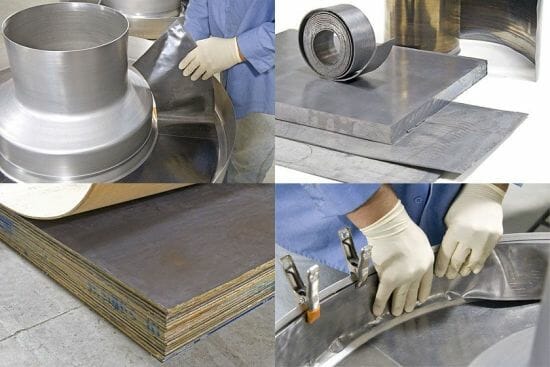
Lead is valued in specialised industrial applications for its high density, radiation attenuation properties, and ability to be fabricated into different forms. Depending on the application, manufacturers may require flat plates, cut sections, machined components, cast shapes, or assemblies that combine lead with other materials.
Selecting the right lead product involves understanding the intended use, required dimensions, material specifications, and applicable safety requirements. Nuclead Manufacturing Co Inc offers standard inventory and custom manufacturing options to help customers source lead products suited to their technical needs.
Whether a project involves shielding, industrial equipment, construction, or specialised metal fabrication, the correct lead plate or custom lead shape can contribute to a functional and carefully engineered solution.
2. What Is Lead Plate?
Lead plate is a flat, relatively thick form of lead metal manufactured for applications requiring a substantial material section. Compared with thinner lead sheet and lead foil, lead plate is generally selected when a project requires greater thickness, a particular weight, or a specific shielding configuration.
Lead plate can be fabricated into custom dimensions and incorporated into larger assemblies. Its suitability depends on factors such as thickness, overall dimensions, material composition, and the requirements of the finished component.
Common applications include:
-
Radiation shielding systems.
-
Industrial and research equipment.
-
Medical imaging and treatment facilities.
-
Specialised construction projects.
-
Custom lead-lined assemblies.
-
Equipment requiring carefully specified lead components.
The correct thickness and configuration depend on the application. For radiation shielding, for example, the design must account for the radiation type, energy, exposure conditions, and applicable regulations. A qualified shielding designer should determine the appropriate specification rather than relying on thickness alone.
Nuclead offers standard and custom lead plate products and related fabrication services, allowing customers to discuss project requirements and request components manufactured to suitable specifications.
3. Understanding Custom Lead Shapes
Lead shapes are lead components manufactured in specific forms to meet the requirements of a particular application. Rather than using only flat plates or sheets, industrial projects may require rods, rounds, bars, blocks, wedges, washers, spacers, castings, or other specially shaped components.
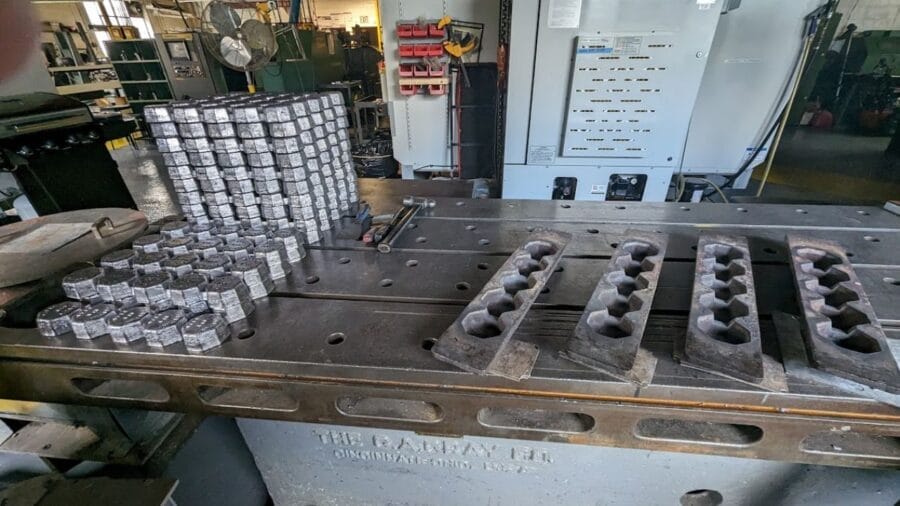
Custom lead shapes can be produced through different manufacturing processes, depending on the required geometry, dimensions, material specifications, and intended use. Casting can create components with complex forms, while CNC machining can produce precise dimensions and detailed features.
Nuclead Manufacturing Co Inc offers custom lead fabrication services that include machining, casting, cutting, stamping, welding, and assembly. These capabilities support the production of lead products in different configurations.
Custom lead shapes are useful when standard products do not match a project’s design. For example, equipment manufacturers may require lead components that fit a particular housing, while shielding projects may need pieces designed to minimise gaps between adjoining sections.
Before ordering, customers should provide accurate drawings, dimensions, material requirements, and relevant tolerances. Clear specifications help the manufacturer understand the required shape and determine an appropriate production method.
4. Applications of Lead Plate Across Different Industries
Lead plate serves several specialised industrial purposes because of its density and shielding characteristics. Its precise application depends on the design requirements and the conditions in which the material will be used.
i. Radiation Shielding
Lead plate is widely used in appropriately designed radiation shielding systems. Medical facilities, research laboratories, and specialised industrial environments may use lead-containing barriers to help reduce exposure to X-rays and gamma radiation.
Shielding projects require careful engineering. The appropriate material thickness and arrangement depend on the radiation source, operating conditions, occupancy, and applicable safety standards.
ii. Construction and Building Projects
Lead products can be incorporated into selected construction applications, including specialised shielding assemblies and certain weatherproofing or restoration projects. Product selection should account for the building design, exposure conditions, and applicable environmental requirements.
iii. Industrial Equipment
Manufacturers may use lead plate in equipment requiring dense metal components or specialised shielding. Custom cutting and machining help produce parts that fit the equipment’s design.
iv. Research Facilities
Laboratories and research institutions may need lead components for specialised instruments, enclosures, and shielding systems. Products should be specified according to the technical requirements of the equipment and the relevant safety procedures.
For these applications, Nuclead’s standard and custom lead products provide options for projects requiring defined dimensions and configurations.
5. Custom Lead Fabrication and Precision Machining
Not every project can use an off-the-shelf lead plate or standard lead shape. Some applications require complex geometries, accurately positioned openings, assembled shielding components, or lead parts integrated with other metals.
Custom fabrication helps address these requirements by transforming raw material into a finished component. Depending on the design, the process may include cutting, sawing, stamping, casting, CNC machining, welding, lamination, and assembly.
Nuclead Manufacturing Co Inc provides these types of specialised services for custom lead products and finished assemblies. Its capabilities include CAD/CAM-supported machining, custom mould fabrication, and quality control processes.
When requesting a custom component, customers should prepare the following information:
-
Product dimensions and overall shape.
-
Required lead grade or alloy specification.
-
Engineering drawings or CAD files, where available.
-
Dimensional tolerances and surface requirements.
-
Quantity and expected delivery schedule.
-
Any assembly, coating, or finishing requirements.
Providing complete technical information at the beginning can help streamline the quotation and manufacturing process. For complex components, discussing the design with the manufacturer’s engineering team may also help establish the most appropriate fabrication approach.
6. Lead Shapes for Weights and Industrial Components
Lead’s high density makes it useful for applications where substantial mass is needed within a limited volume. Depending on the design, lead may be manufactured into blocks, bars, ingots, counterweights, and other shaped components.
Industrial equipment manufacturers may require counterweights to balance moving parts or support the intended operation of machinery. Marine applications may use specially designed ballast components, while certain equipment requires custom weights that fit a specific enclosure or mounting arrangement.
Nuclead offers standard and custom lead weights and related products, including lead components manufactured to customer specifications.
The design of a weight or counterweight should consider more than its overall mass. Shape, dimensions, mounting arrangements, mechanical loads, and the surrounding equipment must all be evaluated. Components should be secured and installed according to the equipment manufacturer’s requirements.
Custom lead shapes can be especially useful when a standard block or bar cannot provide the required fit. Accurate specifications help ensure that the finished component meets the intended design requirements.
7. Choosing the Right Lead Plate or Shape
Selecting the appropriate product starts with understanding the purpose of the component. A lead plate intended for shielding may have different requirements from a shaped lead weight or a machined industrial part.
Consider the following factors before placing an order.
-
Material specifications: Confirm the required lead grade, purity, or alloy composition. Some applications require specific material certifications.
-
Dimensions and thickness: Provide the necessary length, width, thickness, diameter, or other measurements. Confirm tolerances where precise fit is important.
-
Manufacturing method: Determine whether the component is best produced by cutting, casting, machining, or another suitable process.
-
Quantity: Production quantities may influence manufacturing methods, tooling requirements, and lead times.
-
Finishing and assembly: Some projects require coatings, lamination, machining, or integration with other materials.
-
Documentation and quality requirements: Identify any inspection records, certificates, or customer-specific requirements that apply to the finished product.
For radiation shielding applications, obtain professional design guidance to ensure that the selected material and configuration meet the project’s shielding objectives and applicable regulations.
Careful planning helps customers choose a suitable lead plate or custom lead shape without overlooking important technical details.
8. Quality Control and Manufacturing Standards
Quality control is important when lead products must meet specified dimensions, material requirements, or assembly tolerances. In industrial and shielding applications, inconsistencies can affect component fit, installation, and overall system performance.
Nuclead Manufacturing Co Inc states that its manufacturing operations use quality management practices and precision inspection capabilities to support its products and fabrication services. The company identifies ISO 9001:2015 and AS9100D certifications among its credentials.
For customers purchasing custom lead plate or lead shapes, the appropriate quality documentation depends on the project. Relevant considerations may include material certification, dimensional inspection, manufacturing tolerances, and verification of specified characteristics.
Customers should communicate any contractual, regulatory, or industry-specific requirements before production begins. This allows the manufacturer to clarify which inspections and records can be supplied for the order.
A clear quality plan supports more predictable purchasing and helps ensure that components are manufactured according to the agreed specification.
9. Safe Handling and Responsible Use of Lead Products
Although lead is useful for many industrial purposes, it is a toxic metal that requires appropriate handling and workplace controls. Exposure can occur through ingestion or inhalation of lead-containing dust and fumes, particularly during activities such as cutting, machining, grinding, heating, or other processes that generate airborne contaminants.
Businesses should follow applicable occupational health and environmental regulations when receiving, storing, processing, installing, or disposing of lead products.
Important precautions include:
-
Following the manufacturer’s safety data sheet and workplace procedures.
-
Using appropriate protective equipment and engineering controls.
-
Preventing lead dust from spreading into clean areas.
-
Maintaining suitable hygiene practices and washing hands after handling.
-
Using trained personnel for machining, welding, or other processes that may generate hazardous exposure.
-
Managing scrap and waste through approved procedures.
Lead products should also be selected and installed in accordance with the requirements of their intended application. Where products are used for radiation shielding, material handling precautions and shielding design are separate considerations, and both must be addressed.
Responsible handling helps protect workers, users, and the surrounding environment.
10. Choose Nuclead Manufacturing Co Inc for Lead Plate and Lead Shapes
Nuclead Manufacturing Co Inc provides standard lead products and custom fabrication services for customers across industrial, construction, research, medical, and other specialised sectors. Its capabilities cover lead plate, sheet, foil, shielding components, weights, castings, machined parts, and fabricated assemblies.
For projects requiring custom lead shapes, the company offers manufacturing processes that can support components produced to drawings and technical specifications. Customers can discuss material requirements, dimensions, tolerances, and finishing needs to determine a suitable solution.
When planning a purchase, provide complete product specifications and confirm availability, production schedules, quality documentation, and delivery arrangements directly with the manufacturer.
Conclusion
Lead plate and lead shapes serve important roles in specialised manufacturing, radiation shielding, industrial equipment, construction, and weight-related applications. While lead plate provides a flat material form for fabrication and shielding designs, custom lead shapes allow manufacturers to create components with particular dimensions and geometries.
Nuclead Manufacturing Co Inc offers standard lead products and custom manufacturing capabilities to support a wide range of technical requirements. By defining the intended application, choosing appropriate material specifications, and confirming dimensional and quality requirements, customers can identify products that suit their projects. For more visit us!

 English
 Arabic
 French
 Spanish
 Portuguese
 Deutsch
 Turkish
 Dutch
 Italiano
 Russian
 Romaian
 Greek