


How to Choose the Best Security Lockers: Buying Guide
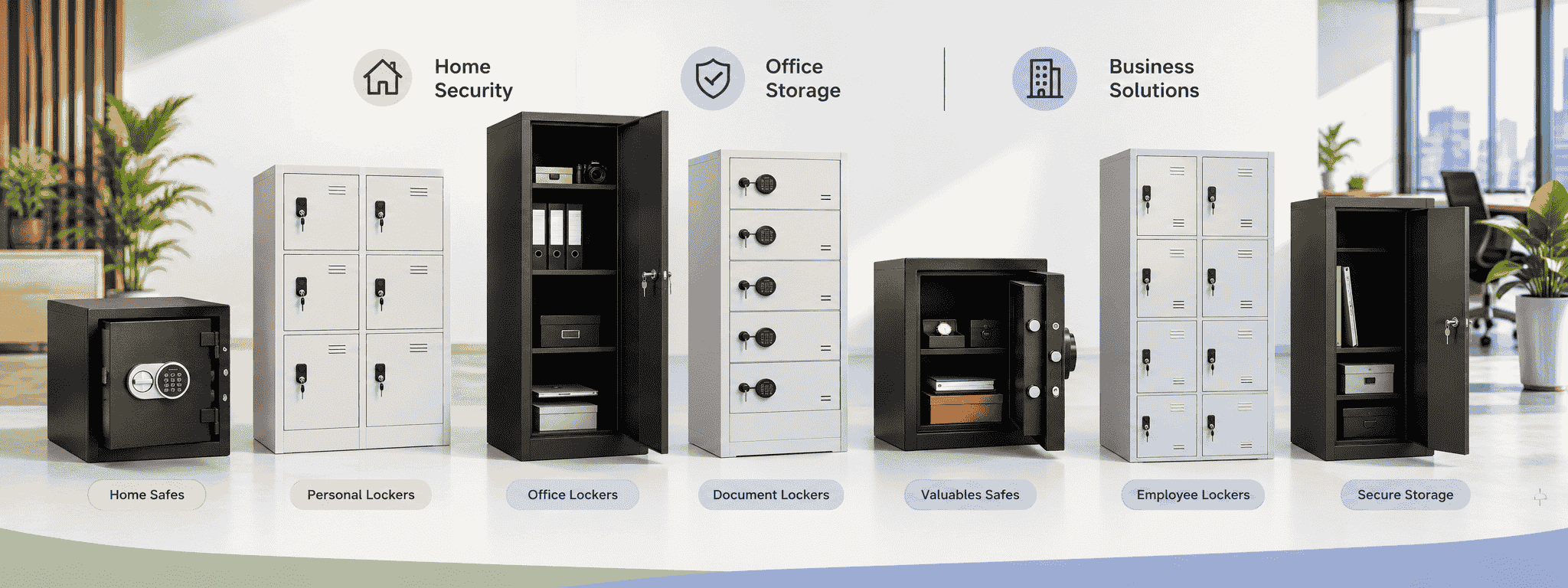
How to Choose the Best Security Lockers: A Practical Buying Guide
Keeping valuables, important documents, keys, and personal belongings in a suitable place can make life more organized and help manage access. Whether you need storage for your home, office, school, hotel, or commercial facility, choosing the right locker starts with understanding what you want to protect and how you plan to use it.
Modern security lockers are available in different sizes, designs, materials, and locking systems. Some are designed for personal belongings, while others are built for storing keys, managing workplace equipment, or securing important documents.
With so many options available, choosing the right one can feel confusing. You need to consider storage capacity, construction quality, access methods, installation requirements, and the level of protection offered by the product.
This guide covers the main types of security lockers, the features worth comparing, and practical tips to help you make an informed buying decision.
Why Do You Need Security Lockers?
Security lockers provide a designated place to keep belongings organized and restrict access to authorized users. Instead of storing important items in different drawers, cupboards, or bags, you can keep them together in a suitable storage unit.
For households, a compact safe may be useful for passports, personal documents, jewelry, and other valuables. In workplaces, lockers can help employees store their belongings, while key cabinets can support better management of keys and access equipment.
The right solution depends on the items being stored and the environment in which the locker will be used.
Common uses include:
-
Storing passports, certificates, and important paperwork
-
Keeping jewelry, cash, and personal valuables together
-
Organizing keys, access cards, and spare keys
-
Providing individual storage for employees and visitors
-
Keeping bags, mobile phones, and personal accessories in designated compartments
-
Storing small tools and workplace supplies
-
Managing belongings in schools, gyms, hotels, and commercial facilities
It is important to remember that a locking mechanism does not automatically guarantee complete protection. Different products offer different levels of security, so always review the manufacturer's specifications before making a purchase.
Types of Security Lockers to Consider
Before comparing individual products, identify the type of storage you need. A locker designed for employee bags may not be suitable for valuable documents, while a compact home safe may not provide enough room for a commercial workplace.
1. Personal Lockers
Personal lockers are commonly used in offices, schools, gyms, and other shared environments. They provide individual compartments where users can keep bags, clothing, phones, wallets, and everyday accessories.
These lockers are particularly useful when several people need separate storage spaces in the same location.
When choosing personal lockers, consider the number of compartments, internal dimensions, door construction, and locking arrangements. If the unit will be used throughout the day, durability and ease of access should also be priorities.
2. Home Security Safes
Home safes are designed for storing important personal belongings in one designated location. Depending on the model, they may accommodate documents, jewelry, cash, passports, and other valuables.
Available options include different sizes and locking systems, from traditional key locks to electronic keypads.
Before buying a home safe, think about what you intend to store and where the unit will be installed. Check the internal dimensions rather than relying only on the external measurements.
If you need protection against fire or another specific hazard, choose a model with an appropriate verified rating. Ordinary locked storage should not be assumed to provide fire or water protection.
3. Digital Security Lockers
Digital security lockers use electronic locking systems, often with a keypad and PIN code. They can be convenient for users who prefer code-based access instead of carrying a physical key.
Depending on the product, electronic systems may provide different access-management features. However, they can also require batteries or other power arrangements.
Before purchasing a digital model, check how codes are set and changed, how the system is powered, and what the manufacturer recommends if the batteries run out or access is interrupted.
Choose a digital locker based on its actual features rather than assuming every electronic model offers the same level of security.
4. Key Storage Cabinets
Key storage cabinets help organize and manage multiple keys in one location. They are useful in hotels, offices, property management facilities, maintenance departments, and other workplaces.
Some models feature numbered hooks, labels, and dedicated spaces to make identifying keys easier.
When selecting a key cabinet, estimate how many keys you currently need to store and whether that number may increase. Also consider who needs access and how keys will be issued, returned, and tracked.
A suitable cabinet can make key management more organized, particularly in environments where several rooms, vehicles, or facilities require separate keys.
5. Office and Commercial Lockers
Commercial lockers are used in offices, warehouses, factories, staff rooms, and other workplaces. Depending on the intended purpose, they may provide storage for employee belongings, tools, documents, or everyday work equipment.
These units should be selected according to the expected workload and the number of users.
Consider the available floor space, compartment sizes, construction materials, and locking systems. For busy workplaces, choose a design that can handle regular opening and closing.
It is also worth checking whether the locker can be installed securely and whether its design suits the environment in which it will be used.
Seven Features to Compare Before Buying Security Lockers
Once you know which type of locker you need, compare the features that affect its suitability for everyday use.
1. Locking Mechanism
The locking system determines how users access the locker and manage entry. Common options include key locks, digital locks, and combination locks.
Key locks: These use a physical key and are generally straightforward to operate. Users need to keep the key in a safe place and arrange for replacement if it is lost.
Digital locks: These typically use a PIN code or electronic keypad. They may be convenient when physical keys are difficult to manage.
Combination locks: These use a preset combination and can be useful in certain personal or shared-storage settings.
No single locking method is ideal for every situation. Consider how frequently the locker will be opened, how many people need access, and what happens if a key is lost or a code needs to be changed.
2. Size and Storage Capacity
A locker should have enough space for the belongings you intend to store without occupying more room than necessary.
For example, a small safe may be suitable for documents and jewelry, while an office locker may need enough space for bags, clothing, or equipment.
Before ordering, measure the available installation area and compare it with the product's dimensions. Pay particular attention to internal storage space, because the usable area may be smaller than the external measurements suggest.
Also check the door's opening direction and allow enough clearance for comfortable access.
3. Material and Build Quality
The materials and construction influence how well a locker handles everyday use. Examine the frame, door, hinges, handle, and locking components when reviewing product specifications.
For commercial environments, durability is especially important because lockers may be opened and closed repeatedly throughout the day.
The installation environment also matters. A locker placed in a humid area may need different care from one installed in a dry, air-conditioned office.
Review the manufacturer's information to understand the intended use and maintenance requirements of the product.
4. Security and Special Protection Features
Not all lockers provide the same level of protection. A basic cabinet with a lock serves a different purpose from a safe designed and tested to resist particular risks.
If you need fire protection, look for a clearly stated fire-resistance rating and relevant test or certification information. For other specialized requirements, check the specific protection claims made by the manufacturer.
Avoid assuming that a heavy body, thick door, or metal construction automatically makes a product fire-resistant, waterproof, or suitable for every security requirement.
The best approach is to match the product's documented capabilities with the items you intend to store.
5. Installation and Placement
Before buying, decide where the locker will be installed. Some models are designed to stand independently, while others may require wall mounting or floor anchoring.
Measure the installation area and check whether the surface is suitable for the chosen unit. Review the manufacturer's instructions to determine whether mounting hardware is included or additional installation arrangements are needed.
For heavier safes or specialized installations, professional assistance may be appropriate.
Planning placement in advance helps prevent problems with access, available space, and installation.
6. Ease of Everyday Use
A locker should suit the people who will use it. An employee locker accessed several times each day may need a different design from a home safe opened occasionally.
Consider the door mechanism, internal shelves, compartment layout, and how easily users can retrieve stored items.
If several people will use the same storage area, think about whether each person needs a separate compartment or whether access should be restricted to specific individuals.
A practical design can make everyday storage easier without introducing unnecessary complications.
7. Price, Warranty, and Overall Value
Price is important, but it should not be the only factor in your decision.
Compare products based on their dimensions, construction, locking mechanism, documented protection features, installation requirements, and warranty terms where available.
A lower-priced model may be suitable for simple storage needs, while a more specialized safe may be necessary for specific protection requirements.
Focus on finding a product that meets your actual needs. Paying for features you will never use may not provide additional value, while overlooking an essential feature could lead to problems later.
Choosing Security Lockers for Different Environments
The most suitable locker depends on its location, intended use, and the people who need access.
Security Lockers for Homes
Home storage solutions are often used for documents, jewelry, passports, cash, and other personal belongings.
Start by deciding what you want to store and how much space those items require. Then consider the locking system, installation location, and any specialized protection you need.
If you plan to store important documents, check whether the selected model has a verified rating for the level of protection you require.
Choose a location that allows convenient access while following the manufacturer's installation recommendations.
Security Lockers for Offices
Office lockers can provide individual storage for staff members and help keep bags, phones, and personal belongings out of shared work areas.
Businesses may also use dedicated cabinets to organize keys, access cards, and essential equipment.
Before purchasing, estimate the number of employees who will need storage and decide whether individual compartments or shared cabinets are more appropriate.
Durable construction, practical compartment sizes, and suitable access controls are important considerations for regularly used office lockers.
Security Lockers for Schools and Gyms
Schools and fitness centres often require storage for bags, clothing, mobile phones, and personal accessories.
Multi-compartment lockers can make efficient use of available space while giving users separate storage areas.
Consider the number of users, the size of typical belongings, and how frequently the compartments will be accessed.
Easy-to-operate locks and durable hardware can be useful in environments where lockers see frequent daily use.
Security Lockers for Hotels
Hotels may need separate storage arrangements for staff belongings, room keys, maintenance equipment, and other operational items.
Personal lockers can help staff keep their belongings organized, while key cabinets can support more structured key management.
When selecting storage equipment, consider the number of authorized users, the volume of items being stored, and the procedures used to manage access.
Clear handling procedures are important alongside the physical storage system.
Security Lockers for Warehouses and Industrial Facilities
Warehouses and industrial workplaces may need lockers for employee belongings, tools, keys, and small equipment.
The right choice depends on the work environment, expected usage, storage requirements, and available installation space.
Look for construction and hardware suited to the intended workload. If the locker will be installed in a dusty, humid, or otherwise demanding environment, review the manufacturer's recommendations before purchasing.
Planning capacity carefully can also help accommodate future storage needs.
Common Mistakes to Avoid When Buying a Security Locker
A little preparation can help you avoid choosing a product that does not meet your requirements.
1. Choosing a Locker That Is Too Small
Product photographs can make storage units look larger than they are. Always check the actual dimensions and compare the internal space with your belongings.
2. Selecting an Unsuitable Lock
A locking system that works well for one person may be inconvenient for a shared workplace. Consider who will use the locker and how access will be managed.
3. Overlooking Installation Requirements
Some units need anchoring or a particular mounting arrangement. Check these requirements before deciding where to place the locker.
4. Focusing Only on Appearance
A modern design may look attractive, but it does not establish the product's strength or protective capabilities. Review the specifications and construction details before buying.
5. Assuming Every Safe Is Fire-Resistant
A locked metal cabinet does not automatically offer tested fire protection. If this feature is essential, check the rating and certification information for the exact model.
6. Ignoring Future Requirements
Your storage needs may grow over time. Consider whether you will need extra compartments or more space in the future, particularly when buying lockers for a business.
7. Forgetting Maintenance and Warranty Details
Check how the locker should be cleaned and maintained, whether electronic components need batteries, and what warranty coverage is provided. Understanding these details can help you care for the product properly.
How to Maintain Your Security Locker
Regular care can help keep a locker functional and reduce unnecessary wear.
Follow these basic maintenance practices:
-
Clean it appropriately: Use cleaning products recommended by the manufacturer, especially around electronic components and coated surfaces.
-
Inspect the hardware: Check hinges, handles, and locking components periodically for signs of wear or loose fittings.
-
Maintain electronic locks: Follow the instructions for checking and replacing batteries where applicable.
-
Protect access details: Store physical keys securely and share digital codes only with authorized users.
-
Respect storage limits: Avoid placing excessive weight on shelves or compartments.
-
Address problems early: If a lock becomes difficult to operate, follow the troubleshooting instructions or contact a qualified professional.
The appropriate maintenance routine depends on the model and its intended environment, so consult the product manual whenever specific instructions are provided.
Explore Security Lockers at Toyzinn
Finding suitable security lockers in Dubai and across the UAE starts with identifying the type of storage you need.
At Toyzinn, you can explore the available security lockers collection and review the product information to help identify a suitable option.
Before making a selection, compare the available dimensions, locking mechanism, materials, storage capacity, and installation requirements. If you need a specific feature, such as verified fire resistance, confirm that the individual product provides the relevant protection.
Whether you are looking for a storage solution for your home or workplace, reviewing the available options carefully can help you make a more informed decision.
Visit the Toyzinn security lockers collection to browse the available products and choose one that fits your intended use.
Frequently Asked Questions
What are security lockers used for?
Security lockers provide designated storage for personal belongings, documents, keys, electronic devices, and other items. Depending on the design, they can be used in homes, offices, schools, gyms, hotels, and commercial facilities.
Are digital security lockers better than key-lock models?
Neither type is automatically better. Digital lockers offer code-based access, while key-lock models use a physical key. Your choice should depend on convenience, access requirements, maintenance, and the features of the individual product.
What should I look for in a home security locker?
Consider the size, internal capacity, locking system, construction, installation requirements, and any specialized protection you need. Check the manufacturer's specifications to confirm that the product suits your intended use.
Do all security lockers offer fire protection?
No. Basic lockers and safes do not necessarily provide tested fire resistance. If you need this feature, look for a model with a clearly stated rating and relevant verification.
How do I choose the correct locker size?
List the items you intend to store, measure the available installation area, and compare both internal and external dimensions. Allow enough room to open the door and access the contents comfortably.
Where can I buy security lockers in the UAE?
You can browse the Toyzinn security lockers collection to review available products and compare their listed specifications.
Final Thoughts
Choosing a suitable security locker involves more than finding a product with a lock. You need to consider what you will store, how much space you require, who needs access, and whether the product offers the protection you expect.
Start by identifying your storage needs, then compare locker types, construction quality, locking mechanisms, and installation requirements. Review the specifications carefully and consider future storage needs before making your final choice.
With the right planning, you can select a practical storage solution that supports better organization and controlled access at home or in the workplace.
Explore the security lockers collection at Toyzinn to compare available options and find a product that suits your requirements.

 English
 Arabic
 French
 Spanish
 Portuguese
 Turkish
 Dutch
 Italiano
 Russian
 Romaian
 Portuguese (Brazil)
 Greek