


Corticosteroid Injections for Alopecia Areata: What to Expect
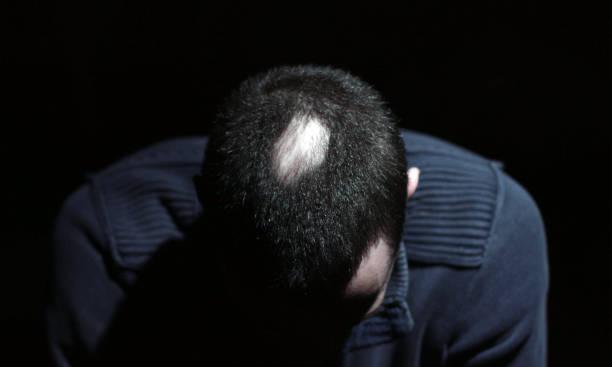
Alopecia areata is an autoimmune condition that causes hair loss when the immune system mistakenly attacks hair follicles, often resulting in small, round bald patches on the scalp or other parts of the body. Several treatment options are available, and corticosteroid injections may be recommended for selected patients with localized hair loss. alopecia hair treatment may include these injections to help reduce inflammation around affected follicles and encourage hair regrowth. Understanding how the procedure works, its potential benefits, and what happens afterward can help patients prepare for a consultation with a qualified dermatologist.
What Are Corticosteroid Injections for Alopecia Areata?
Corticosteroid injections involve administering a corticosteroid medication into the skin of affected areas. These medications help reduce local inflammation and suppress immune activity around hair follicles. The goal is to create conditions that may allow hair to grow again in areas affected by alopecia areata.
This treatment is generally considered for people with limited patches of hair loss rather than extensive loss across the entire scalp. A dermatologist evaluates the size, location, and number of bald patches before determining whether injections are appropriate. The treatment does not permanently eliminate the underlying autoimmune condition, and hair loss may return even after successful regrowth.
Who May Be Suitable for Corticosteroid Injections?
Corticosteroid injections may be suitable for adults with a few localized patches of alopecia areata. They can be considered when the affected areas are accessible and the patient has no medical or skin-related reasons to avoid the procedure.
A dermatologist will review your medical history, current medications, previous treatments, and the progression of hair loss. The specialist may also examine the scalp closely to confirm the diagnosis. Other causes of hair loss, such as fungal infections, scarring conditions, and certain forms of hair shedding, may require different treatment.
For children and younger patients, treatment decisions require particular care because the benefits, discomfort, and potential side effects must be considered individually. Extensive or rapidly progressing alopecia areata may require other treatment approaches.
What Happens During the Procedure?
Initial Assessment
Before administering injections, the dermatologist examines the affected areas and discusses the expected benefits, limitations, and potential side effects. The clinician identifies suitable injection sites and determines the medication and dose based on the treatment area and individual circumstances.
Patients should mention any previous reactions to corticosteroids, existing health conditions, and medications they take. This helps the specialist assess whether the procedure is appropriate.
Preparing the Treatment Area
The affected skin is examined and cleaned before treatment. The dermatologist may mark or identify the areas that need medication. Local anesthetic is not always necessary, although the clinician can explain options for managing discomfort when appropriate.
Administering the Injections
The medication is injected in small amounts into selected areas of the skin using a fine needle. Several injections may be needed to cover a patch or multiple patches. Patients commonly experience brief stinging, pressure, or mild discomfort during the procedure.
The length of the appointment depends on the number and size of the areas being treated. Once the injections are complete, the clinician provides aftercare instructions and explains when a follow-up assessment may be needed.
What Benefits Can You Expect?
Corticosteroid injections may help reduce localized immune activity around hair follicles, allowing hair regrowth in some patients. They can be useful when alopecia areata affects a limited number of areas and may provide a targeted alternative to applying medication over the scalp.
However, the response differs from person to person. Some patients notice new hair growth within several weeks, while others may need repeated treatment sessions over a period of time before improvement can be assessed. Hair may initially appear fine or lighter in color before becoming more noticeable.
The injections do not guarantee regrowth, prevent every future episode, or cure alopecia areata. Treatment success depends on factors such as disease activity, the duration of hair loss, and the individual's response to medication.
Possible Side Effects and Risks
Although corticosteroid injections are commonly used for selected cases of localized alopecia areata, they can cause side effects. Understanding these risks helps patients make informed decisions.
Temporary Discomfort
Mild pain, stinging, redness, or tenderness may occur around the injection sites. These effects are often temporary, but patients should contact their clinician if discomfort becomes severe or persistent.
Skin Thinning and Pigment Changes
One important possible side effect is localized skin thinning, sometimes called skin atrophy. Small depressions may develop around treated areas, and changes in skin color can also occur. The risk may depend on the medication concentration, injection technique, and treatment frequency.
Other Possible Reactions
Minor bleeding or bruising can occur. Infection is uncommon when appropriate clinical procedures are followed, but increasing redness, warmth, swelling, or discharge should be assessed promptly. Repeated injections must be carefully planned to reduce unnecessary exposure and complications.
A qualified dermatologist can explain these risks and adjust the treatment approach when necessary. Alopecia Areata Treatment in Riyadh should always be based on an individualized assessment rather than a standard injection schedule for every patient.
Recovery and Aftercare Following Injections
Most patients can return to their usual daily activities shortly after treatment, depending on their comfort and the clinician's advice. Follow any instructions regarding washing the area, using scalp products, and monitoring the injection sites.
Avoid scratching or irritating the treated skin. Do not apply additional prescription medications to the area unless your clinician recommends them. If you develop significant pain, worsening swelling, signs of infection, or an unexpected skin change, seek medical advice.
Keep follow-up appointments so the dermatologist can assess hair growth and determine whether further treatment is appropriate. If the patches continue to expand or new areas appear, the treatment plan may need to be reviewed.
How Do Corticosteroid Injections Compare With Other Treatments?
The best approach depends on the extent and pattern of hair loss. Topical corticosteroids may be considered for some patients, while other prescription treatments may be appropriate when alopecia areata is more extensive or persistent. Certain systemic medications, including JAK inhibitors, may be options for eligible patients but require careful medical assessment and monitoring.
Corticosteroid injections are not suitable for every case, and combining treatments should only be done under professional guidance. A dermatologist can explain the advantages and limitations of each option and help you choose an approach based on your health, preferences, and treatment goals.
Conclusion
Corticosteroid injections can be a useful option for selected patients with localized alopecia areata. The procedure involves injecting medication into affected areas to reduce local inflammation, with the aim of encouraging hair regrowth. Results vary, repeat sessions may be necessary, and possible side effects include temporary discomfort, skin thinning, and pigment changes.
For personalized guidance, consult Royal Clinic Saudia to discuss your symptoms, suitability for injections, and other Alopecia Areata Treatment in Riyadh options. A qualified specialist can help you understand the procedure, establish realistic expectations, and develop a treatment plan suited to your needs.

 English
 Arabic
 French
 Spanish
 Portuguese
 Deutsch
 Turkish
 Dutch
 Italiano
 Romaian
 Portuguese (Brazil)
 Greek