


Why Guniting Services Are Essential for Structural Strengthening
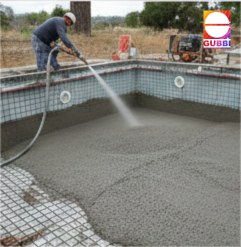
Concrete structures are designed to withstand heavy loads, environmental exposure, and years of service. However, over time, factors such as moisture intrusion, chemical attacks, corrosion of reinforcement, and continuous wear can weaken structural components. As buildings, bridges, industrial facilities, and water-retaining structures age, effective rehabilitation methods become essential. Guniting has emerged as one of the most reliable techniques for repairing damaged concrete while restoring strength, durability, and performance. Unlike conventional repair methods, guniting allows concrete or mortar to be pneumatically projected at high velocity onto prepared surfaces. This process creates a dense and compact layer that bonds strongly with existing concrete. The method has become widely accepted across infrastructure, commercial, and industrial sectors because it delivers long-lasting results with minimal disruption.
What Is Guniting and How Does It Work?
Guniting services involve the application of cement mortar or concrete through specialized equipment using compressed air. The material is sprayed onto prepared surfaces at high speed, creating a strong and durable repair layer. This technique is commonly used for structural rehabilitation, surface strengthening, and restoration of deteriorated concrete elements.
The process begins with surface preparation, where loose concrete, contaminants, and damaged portions are removed. Reinforcement steel is cleaned and treated if corrosion is present. Once the substrate is ready, the guniting material is sprayed uniformly across the affected area. The impact velocity helps achieve excellent compaction, reducing voids and enhancing the bond between old and new concrete.
Why Concrete Structures Deteriorate Over Time
Many concrete structures experience deterioration due to environmental and operational conditions. Exposure to moisture, carbonation, chloride penetration, freeze-thaw cycles, and aggressive chemicals can gradually compromise structural integrity. In industrial facilities, vibrations, heavy loads, and chemical exposure often accelerate the deterioration process.
Cracks, spalling, exposed reinforcement, and surface degradation are common signs of structural distress. If left untreated, these issues can lead to reduced load-bearing capacity and increased repair costs. Early intervention using concrete repair techniques such as guniting helps prevent extensive damage while extending the lifespan of critical infrastructure.
Key Advantages of Guniting for Structural Rehabilitation
One of the primary reasons engineers prefer guniting contractors for rehabilitation projects is the superior quality of repairs achieved through the spraying process. The high-velocity application creates a dense mortar layer with excellent adhesion and low permeability. This helps improve durability and resistance to environmental attacks.
Another significant advantage is the flexibility of application. Guniting can be used on vertical, horizontal, curved, and overhead surfaces without requiring extensive formwork. This reduces project complexity and accelerates repair timelines. The technique is also highly effective for repairing difficult-to-access areas where conventional concrete placement may be challenging.
Applications of Guniting Across Different Industries
The versatility of guniting makes it suitable for a wide range of applications. Infrastructure projects frequently utilize the method for repairing bridges, flyovers, retaining walls, tunnels, and culverts. Industrial facilities rely on guniting to restore damaged concrete structures exposed to harsh operating conditions.
Commercial buildings often require rehabilitation of columns, beams, slabs, and facades affected by aging or environmental deterioration. Water treatment plants, reservoirs, dams, and marine structures also benefit from guniting because of its ability to create durable and water-resistant surfaces. This broad applicability has made the technique a preferred solution for engineers worldwide.
The Role of Surface Preparation in Successful Guniting
The performance of any guniting project depends heavily on proper surface preparation. Damaged and loose concrete must be removed completely to expose a sound substrate. Any contamination, dust, oil, or weak material can negatively affect the bond between the repair layer and existing concrete.
Reinforcement bars showing signs of corrosion should be cleaned thoroughly and treated using suitable protective systems. Surface roughening is often performed to enhance mechanical interlocking. Once preparation is complete, the sprayed mortar can achieve maximum adhesion and deliver long-term structural performance. Proper preparation remains one of the most critical stages in achieving successful repairs.
How Guniting Improves Structural Strength
A major benefit of structural strengthening through guniting is the restoration of lost section thickness and load-carrying capacity. The dense mortar layer enhances the structural performance of deteriorated members while protecting reinforcement against future corrosion.
In many rehabilitation projects, engineers use guniting to strengthen columns, beams, walls, and slabs that have experienced deterioration. The technique can also be combined with additional strengthening systems to achieve desired performance levels. By restoring damaged areas and improving durability, guniting contributes significantly to extending the service life of structures.
Comparing Guniting with Traditional Concrete Repair Methods
Traditional repair methods often involve formwork installation, concrete pouring, and extensive labor requirements. While these approaches remain useful in specific situations, they can be time-consuming and difficult to implement on complex surfaces. Guniting offers a more efficient alternative by eliminating many of these challenges.
The sprayed application process allows repairs to be completed with greater precision and reduced material wastage. Because formwork requirements are minimal, project timelines can often be shortened considerably. The resulting repair layer also provides superior compaction and bonding characteristics compared to some conventional repair techniques.
Factors to Consider When Choosing Guniting Contractors
Selecting experienced guniting contractors plays a vital role in ensuring project success. Contractors should possess expertise in structural rehabilitation, surface preparation, material selection, and spraying techniques. Proper equipment and skilled operators are equally important for achieving consistent results.
Project owners should evaluate a contractor’s experience with similar structures and repair challenges. Quality control measures, safety practices, and technical knowledge should also be reviewed before awarding work. A qualified contractor can help identify the most effective repair strategy while ensuring compliance with engineering specifications.
Common Challenges Addressed Through Guniting
Many structural issues can be effectively addressed using guniting technology. Cracked concrete surfaces, spalled sections, exposed reinforcement, honeycombing defects, and deteriorated retaining walls are among the most common applications. The technique is particularly useful where significant surface restoration is required.
In industrial environments, guniting helps repair structures affected by chemical exposure and mechanical damage. Infrastructure assets experiencing weather-related deterioration can also benefit from the dense and durable repair layer created through spraying. These capabilities make guniting a practical solution for numerous rehabilitation challenges.
Recommended Approach for Long-Term Structural Performance
When planning a rehabilitation project, it is important to prioritize engineering assessment before selecting a repair method. A detailed evaluation helps identify the root cause of deterioration and ensures that repairs address underlying issues rather than only visible symptoms. Organizations such as Gubbi Civil Engineers Limited emphasize the importance of combining technical analysis with proven rehabilitation methods to achieve sustainable and long-lasting structural performance.
By focusing on both structural integrity and durability, property owners can significantly reduce future maintenance requirements. This proactive approach helps maximize the value of rehabilitation investments while enhancing safety and operational reliability.
Future Trends in Concrete Rehabilitation
The demand for building repair and strengthening solutions continues to grow as aging infrastructure requires maintenance and restoration. Advances in repair materials, spraying equipment, and quality control practices are improving the effectiveness of guniting projects across multiple industries. Engineers are increasingly integrating rehabilitation strategies into asset management programs to extend service life and optimize maintenance budgets. As sustainability becomes a greater priority, repairing and strengthening existing structures is often more environmentally responsible than complete replacement. Guniting is expected to remain a key technology supporting this shift toward sustainable infrastructure management.
Guniting has become one of the most effective methods for repairing and strengthening deteriorated concrete structures. Its ability to create dense, durable, and highly bonded repair layers makes it suitable for a wide range of rehabilitation applications. From industrial facilities and commercial buildings to bridges and water-retaining structures, the technique provides reliable solutions for extending structural lifespan. When combined with proper engineering assessment, quality materials, and skilled execution, guniting delivers exceptional performance and long-term value. As infrastructure continues to age, the importance of efficient and durable repair methods will only increase. For organizations seeking dependable concrete rehabilitation solutions, guniting remains a proven and trusted choice for restoring structural integrity and enhancing durability.

 English
 Arabic
 French
 Spanish
 Portuguese
 Deutsch
 Turkish
 Italiano
 Russian
 Romaian
 Portuguese (Brazil)
 Greek
Greek