


Best Pilot Training Institute in India for Aspiring Commercial Pilots
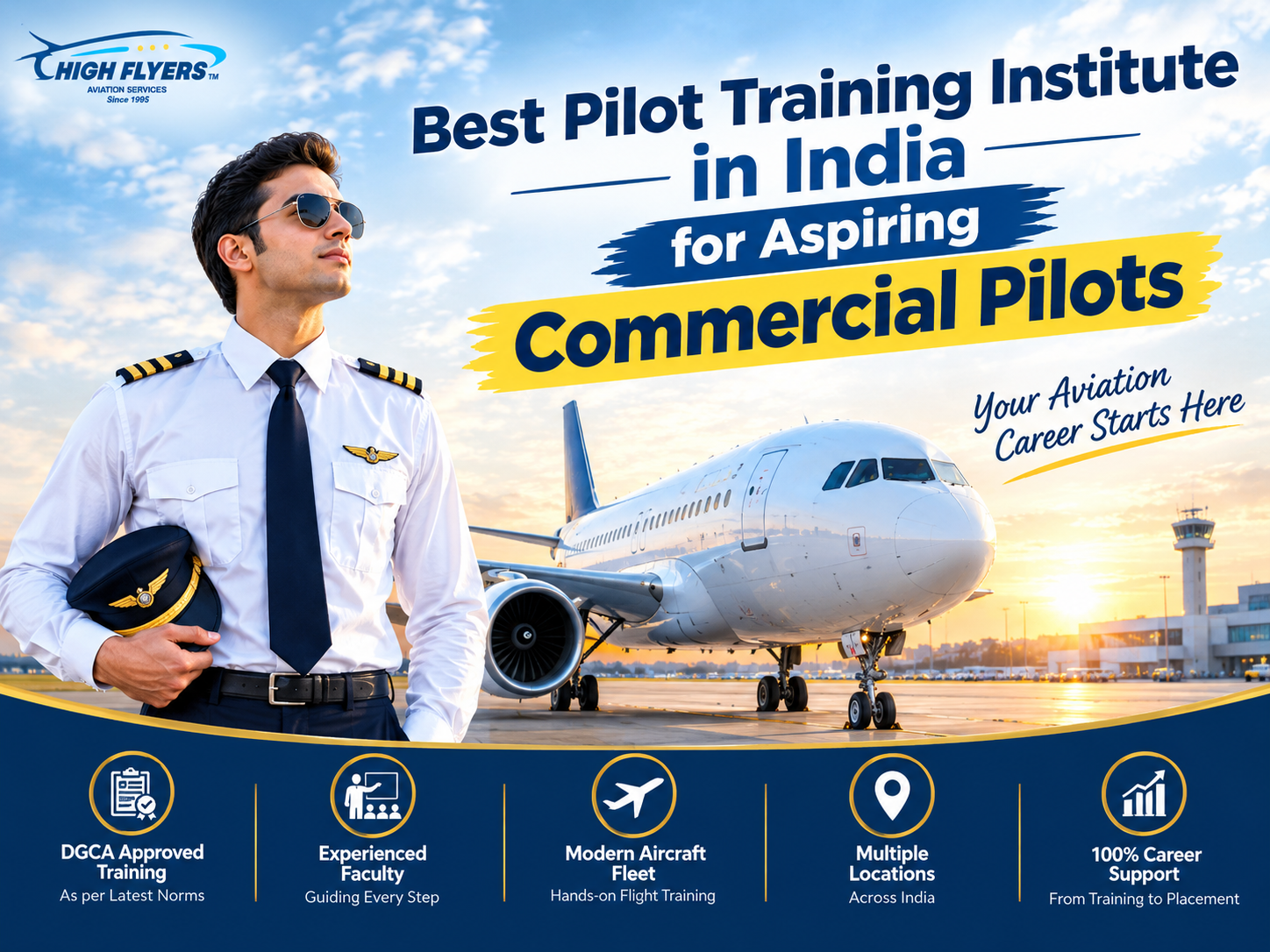
Becoming a commercial pilot is a dream for many students who love aviation, aircraft, and the opportunity to explore the world. Choosing the best pilot training institute in India is an important step toward turning that dream into a professional career. Aspiring pilots must understand eligibility requirements, flight training, DGCA examinations, medical standards, and the costs involved before selecting a suitable training pathway. The High Flyers helps students explore aviation education and understand the steps involved in becoming a commercial pilot. With proper planning, consistent preparation, and the right guidance, students can build a strong foundation for their aviation journey.
Why Choose a Professional Pilot Training Institute in India?
Pilot training requires a combination of theoretical knowledge, practical flying experience, discipline, and decision-making skills. Students must learn aviation regulations, navigation, meteorology, aircraft systems, and flight safety before progressing through the required training stages.
A professional training pathway helps students understand these requirements and prepare for the responsibilities of flying an aircraft. However, students should not choose an institute based only on advertising or promises of quick employment. They should verify the relevant approvals, training arrangements, instructor availability, facilities, and fee structure.
The right training option should match a student's educational background, career goals, financial plans, and learning needs. The High Flyers encourages aspiring pilots to research their options carefully and understand the requirements before making major decisions.
How to Become a Pilot in India
Students often ask how to become a pilot after completing school. Although the process requires dedication, understanding the main stages can make the journey easier to plan.
1. Complete the Required Education
Aspiring commercial pilots generally need to complete Class 12 with Physics and Mathematics or meet the applicable requirements through accepted equivalent qualifications. Students who have not studied these subjects should check the recognised routes for meeting the educational criteria.
Strong foundations in mathematics, physics, English, and analytical thinking can help students understand aviation concepts and technical information.
2. Meet the Medical Requirements
Medical fitness is an essential part of professional pilot training. Candidates should understand the applicable DGCA medical examination requirements and arrange the necessary assessment before committing to substantial training expenses.
Students should confirm which medical examinations apply at each stage of their intended licensing pathway. Early preparation can help them understand their eligibility before investing heavily in training.
3. Prepare for DGCA Ground Examinations
Ground training develops the theoretical knowledge pilots need to operate aircraft safely. Students study subjects such as air navigation, aviation meteorology, air regulations, and aircraft technical knowledge, according to the applicable syllabus.
Regular study, practice questions, revision, and guidance from qualified instructors can help candidates prepare effectively for their examinations.
4. Complete Practical Flight Training
Flight training allows students to apply classroom knowledge under instructor supervision. Trainees gradually develop aircraft-handling skills, navigation techniques, radio communication, flight planning, and situational awareness.
Candidates must complete the required flight experience and assessments under the applicable DGCA rules before qualifying for the relevant licence.
5. Meet Licensing and Skill-Test Requirements
After completing the required training, examinations, flying experience, medical assessments, and skill tests, candidates can progress through the applicable licensing process. Students should maintain accurate records and follow the latest regulatory requirements throughout their training.
What to Look for in a Commercial Pilot Training Institute in India
Choosing a commercial pilot training institute in India requires careful comparison. Students should review several factors before enrolling.
Regulatory Approvals and Training Arrangements
Verify the current approval status of the organisations responsible for each part of the training. For practical flight training, check the relevant flying school's DGCA approval and confirm where students will complete their flying hours.
Read the enrolment agreement carefully and ask for clear information about the programme, training responsibilities, payment schedule, and refund conditions.
Experienced Instructors
Qualified instructors help students understand technical concepts, develop safe flying habits, and improve their performance. Ask about instructor availability, student support, and how the institute handles academic difficulties.
Aircraft Availability and Training Facilities
Practical training depends on aircraft availability, maintenance, weather, and scheduling. Ask how the academy manages flying sessions and whether delays may affect the estimated completion timeline.
Ground training facilities, learning resources, and access to relevant aviation materials can also support student progress.
Transparent Fees
Pilot training involves multiple expenses. These may include ground classes, flying hours, examinations, medical assessments, accommodation, travel, and licence-related charges.
Request an itemised cost estimate and confirm what the quoted fees include. Students should also ask about additional flying-hour charges, payment deadlines, and possible expenses if training takes longer than expected.
Importance of DGCA Ground Classes
DGCA ground classes help aspiring pilots prepare for the theoretical side of aviation. Students learn to interpret weather information, understand aviation regulations, apply navigation principles, and develop knowledge of aircraft systems.
Ground studies also help trainees understand how pilots make decisions before and during flights. For example, weather assessment and flight planning help pilots evaluate conditions and prepare for potential challenges.
Students should follow a consistent study schedule, revise difficult topics, and practise examination-style questions. They should also confirm that the learning materials and examination preparation align with the latest applicable DGCA syllabus.
The High Flyers encourages students to approach ground preparation seriously because theoretical knowledge supports safe and effective flying.
Career Opportunities After Pilot Training
Completing the required training and obtaining a Commercial Pilot License can open pathways to professional flying opportunities. However, a CPL does not automatically guarantee airline employment.
Depending on qualifications, experience, recruitment requirements, and additional training, pilots may pursue opportunities with airlines, charter operators, cargo aviation companies, and other aviation organisations.
Airline recruitment may involve aptitude assessments, interviews, simulator evaluations, medical requirements, and additional aircraft-specific qualifications. Students should research employer expectations and prepare for these stages alongside their formal training.
Building strong communication skills, maintaining professional discipline, and continuing to learn can help aspiring pilots prepare for the demands of aviation employment.
Common Mistakes to Avoid When Selecting a Pilot Training Institute
Students can make better decisions by avoiding several common mistakes:
-
Choosing only by price: Compare the complete training cost instead of focusing solely on the initial fee.
-
Ignoring regulatory approvals: Verify the relevant approvals before paying or enrolling.
-
Overlooking medical fitness: Understand the applicable medical requirements early in the process.
-
Trusting guaranteed-job promises: No training institute can automatically guarantee an airline position simply because a student completes a course.
-
Failing to read the agreement: Review payment terms, refunds, additional charges, and training timelines.
-
Ignoring student feedback: Speak with current or former trainees where possible to understand their experiences.
Careful research helps students select a training pathway that fits their expectations and circumstances.
Why Consider The High Flyers for Aviation Guidance?
Starting a pilot training journey can feel overwhelming, particularly when students must compare institutes, understand eligibility, estimate costs, and prepare for regulatory examinations.
The High Flyers provides aviation-related educational information to help aspiring pilots understand their options and plan their next steps. Students can use this guidance to prepare questions for training providers and compare programmes more confidently.
Before making a final decision, candidates should independently verify an institute's current approvals, training facilities, costs, and contractual conditions. A clear understanding of these details helps students make informed choices and prepare for the responsibilities of professional aviation.
Frequently Asked Questions
1. How do I choose the best pilot training institute in India?
Compare relevant approvals, instructor experience, aircraft availability, programme structure, student support, and total training costs. Verify important details directly with the training provider and the relevant regulator.
2. What qualifications are required to become a commercial pilot in India?
Candidates generally need Class 12 Physics and Mathematics or accepted equivalent qualifications, the required medical fitness, and successful completion of the applicable examinations, flight training, experience, and skill tests.
3. How long does commercial pilot training take?
The duration depends on training schedules, weather, aircraft availability, examination progress, and individual performance. Ask the training provider for a realistic estimate rather than relying on a guaranteed completion date.
4. Does completing pilot training guarantee an airline job?
No. Candidates must meet the employer's recruitment criteria and may need additional assessments, aircraft-specific training, and other qualifications before securing an airline position.
Conclusion
Choosing the best pilot training institute in India requires research, preparation, and a clear understanding of aviation requirements. Students should evaluate educational eligibility, medical standards, ground classes, practical flying arrangements, regulatory approvals, and total training expenses before enrolling.
Whether you are exploring how to become a pilot or comparing a commercial pilot training institute in India, careful planning can help you take informed steps toward your goal. The High Flyers helps aspiring aviators understand the training journey and prepare for the challenges of professional aviation. With commitment, discipline, and consistent learning, students can work toward building a rewarding career in the skies.
Author Bio
The High Flyers shares educational information about pilot training, aviation careers, DGCA requirements, and commercial pilot preparation. Its content helps aspiring aviators understand training pathways and make informed decisions about their professional goals.

 Arabic
 French
 Spanish
 Portuguese
 Deutsch
 Turkish
 Dutch
 Italiano
 Russian
 Romaian
 Portuguese (Brazil)
 Greek