


London Accident Claims: What Injured Londoners Need to Know Before They Act
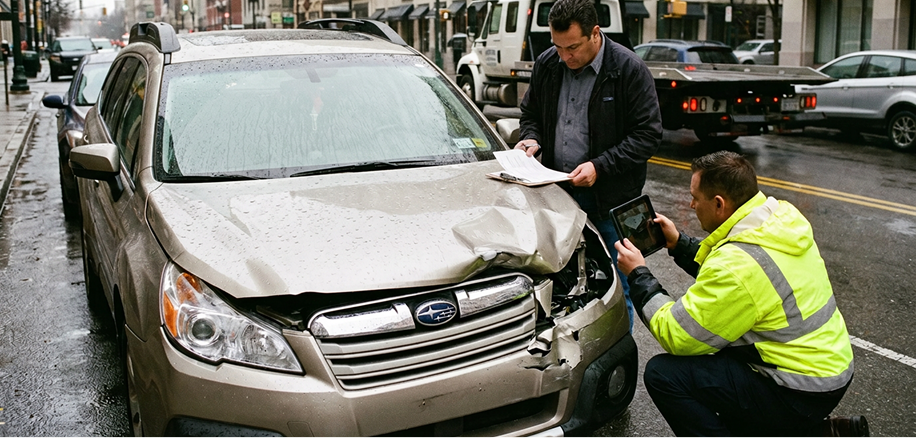
Life in London moves fast, and so do the risks. Cyclists weave through traffic on busy roads, delivery vans stop on double yellows, pedestrians cross between buses, and site workers deal with cranes and scaffolding across the skyline. When an injury is someone else’s fault, London accident claims give you a legal route to recover what you have lost. This guide covers the process, the city-specific issues, and the mistakes to avoid.
The Legal Basis in Plain English
Claims in the capital fall under the law of England and Wales. In most cases you must show that someone owed you a duty of care, failed to meet it, and that this failure caused your injury. A driver must take reasonable care on the road, an employer must provide a safe workplace, and a landlord or shop owner must keep premises reasonably safe. If any of them falls short and you are hurt, you may have a claim.
Accident Types Common in the Capital
Some situations arise more often in London than elsewhere:
- Cycling collisions, including “dooring” incidents, where a car door is opened into a cyclist’s path
- Pedestrian injuries at junctions and crossings, often involving buses, taxis, or delivery vehicles
- E-scooter and moped accidents, where insurance status can complicate matters
- Construction and hospitality injuries, reflecting the city’s large building and service sectors
- Trips on damaged paving, where the local council or a utility contractor may be responsible
- Incidents on public transport, such as sudden braking or platform hazards
Road Claims and the Official Portal
Since the 2021 reforms, many lower-value road traffic injury claims, particularly whiplash, are handled through the government’s Official Injury Claim online service. Compensation for these injuries is set by a fixed tariff rather than negotiated case by case, and the small claims limit for road traffic injuries is £5,000. Serious or complex injuries, and claims by certain groups such as children and vulnerable road users, usually sit outside this route and follow the standard process. Because the rules are technical and tariff amounts are updated from time to time, check current figures with a solicitor or official guidance.
When the Other Driver Cannot Be Found or Is Uninsured
Hit-and-run drivers and uninsured motorists are an unfortunate reality in any large city. If the person responsible cannot be traced or has no insurance, the Motor Insurers’ Bureau can act as a safety net. Report the incident to the police quickly, keep the crime reference number, and be prepared to cooperate with enquiries, as the scheme has its own conditions and deadlines.
Evidence Disappears Quickly in a City
London is covered by CCTV, dashcams, and bus cameras, which can be invaluable. But footage is often overwritten within days or weeks. If you can, take these steps early:
- Ask nearby shops, offices, or the bus operator to preserve any footage that captured the incident.
- Photograph the scene, including road markings, signage, lighting, and weather conditions.
- Record witness names and phone numbers before people leave the area.
- Keep damaged clothing, helmets, or equipment rather than throwing them away.
- Seek medical attention the same day, if possible, so your injuries are formally documented.
Understanding What You Can Recover
Compensation usually has two parts. General damages reflect the pain, suffering, and loss of enjoyment caused by the injury, and they are guided by the Judicial College guidelines. Special damages cover measurable financial loss such as lost wages, prescriptions, physiotherapy, travel to appointments, and care or help at home. In London, where commuting costs and living expenses are high, it is worth recording every outgoing linked to your injury, however small.
If you will need treatment or time off work in the future, that can also be included. This is why settling before your recovery is clear can leave you short.
Time Limits
The standard limit is three years from the date of the accident, or from the date you realised the injury was linked to negligence. Children have until their 21st birthday in practice, as the three years starts at age 18. Don’t wait until the final months, because investigating older cases is harder and evidence is weaker.
Paying for Representation
Most injury solicitors in London work under a conditional fee agreement, often called “no win, no fee”. You do not pay upfront, and a success fee is taken from your compensation only if you win. Ask for the exact percentage in writing, and check whether you would face any costs if the claim fails. After-the-event insurance can cover some of those risks.
Choosing Wisely
Check that the firm is regulated by the Solicitors Regulation Authority. Ask about their experience with your type of accident, who will manage your file, and how often you will be updated. Be wary of unsolicited calls, guaranteed payouts, or pressure to sign on the spot. Genuine advisers explain risks as well as benefits.
A Realistic Timeline
Straightforward claims with admitted liability can settle in a few months. Disputed fault, serious injuries, or ongoing treatment can stretch the process to a year or more. Most cases settle without a court hearing, but your representative should prepare as if one might be needed.
Final Thoughts
The best outcomes in London accident claims go to people who act promptly, document everything, and choose their adviser carefully. See a doctor, preserve evidence, understand the fee terms, and don’t accept an early offer without advice. A clear head and good records can make a significant difference.
This article is for general information only and is not legal advice. Consult a qualified solicitor about your own circumstances.

 English
 Arabic
 Spanish
 Portuguese
 Deutsch
 Turkish
 Dutch
 Italiano
 Russian
 Romaian
 Portuguese (Brazil)
 Greek