


Bitter Melon Extract: Exploring Botanical Ingredients for Modern Wellness
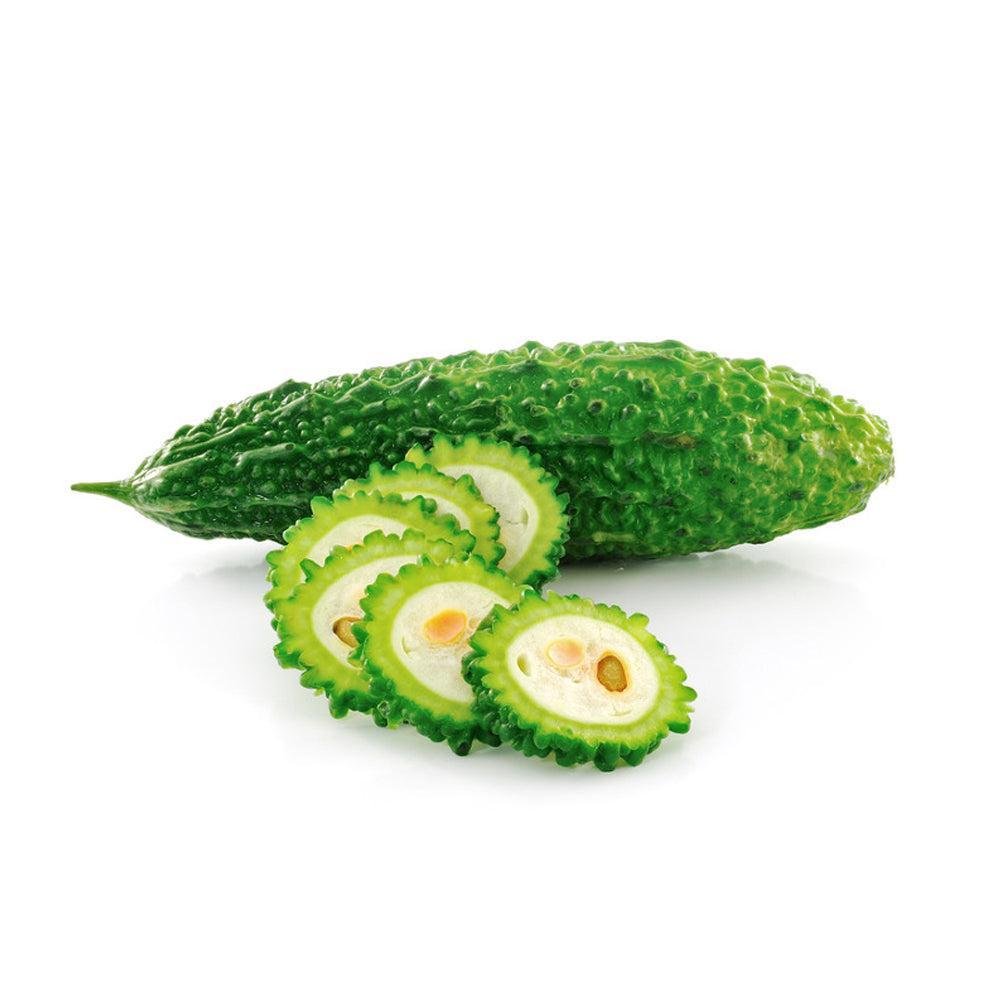
Bitter Melon Extract is a botanical ingredient obtained from bitter melon, scientifically known as Momordica charantia. This tropical plant has a long history of use in traditional food practices and herbal systems. Today, it attracts attention from manufacturers developing botanical supplements, functional foods, and plant-based formulations. Its naturally occurring compounds make it an interesting subject for ingredient research, product development, and quality-focused sourcing.
As consumer interest in plant-derived ingredients continues to grow, manufacturers are exploring ways to incorporate botanical materials into products that meet changing market needs. Understanding their sources, characteristics, applications, and quality requirements is essential for creating reliable formulations.
Understanding Bitter Melon and Its Composition
Bitter melon is a climbing plant widely cultivated in tropical and subtropical regions. Its fruit is recognised by its green, textured surface and distinctive bitter taste. Different parts of the plant contain naturally occurring compounds, including cucurbitane-type triterpenoids, flavonoids, and other phytochemicals.
The composition of a botanical extract depends on the plant variety, growing conditions, harvested material, and extraction process. These factors can influence the concentration of specific compounds and the overall characteristics of the final ingredient.
For ingredient manufacturers, identifying the correct botanical source and maintaining consistent specifications are important steps. Proper identification, testing, and documentation help ensure that the ingredient meets the intended requirements of a formulation.
Potential Applications in Nutraceutical Formulations
Bitter Melon Extract is used in the development of selected botanical supplement formulations. Researchers have investigated bitter melon compounds for their possible relationship with glucose metabolism and other biological processes. However, research findings vary, and more high-quality human studies are needed to establish its effectiveness for specific health outcomes.
Manufacturers should distinguish between traditional uses, laboratory findings, and clinically established benefits. Responsible product development requires scientifically supported claims and compliance with applicable regulations.
Common formulation considerations include:
-
Ingredient standardisation: Consistent specifications help maintain product quality.
-
Dosage form: The ingredient may be evaluated for capsules, tablets, powders, or other suitable formulations.
-
Compatibility: Formulators assess how the ingredient interacts with other components.
-
Stability: Storage conditions and packaging can influence ingredient quality over time.
-
Safety assessment: Appropriate testing and evidence are essential before marketing finished products.
Consumers using products intended to influence blood glucose should consult a qualified healthcare professional, particularly if they take diabetes medication.
Importance of Botanical Extraction and Quality Control
Extraction is a critical stage in transforming plant material into a concentrated ingredient. Depending on the desired composition, manufacturers may use different extraction methods and processing conditions. Temperature, solvent selection, raw material quality, and drying techniques can influence the final product.
A well-managed manufacturing process includes botanical identification, contaminant screening, microbiological testing, and verification of relevant chemical specifications. Documentation and batch traceability also help support consistency throughout the supply chain.
When sourcing botanical ingredients, businesses should evaluate the supplier's quality systems, technical documentation, manufacturing practices, and ability to meet market-specific requirements. These measures support dependable ingredient sourcing and responsible product development.
Exploring Aloe Vera Ingredient Manufacturing
The demand for plant-derived ingredients extends beyond bitter melon to include aloe vera, a succulent plant widely used in cosmetic, personal care, food, and selected wellness products.
Businesses searching for Aloe Vera Extract Manufacturers should assess the intended application before selecting a supplier. Aloe vera ingredients can differ according to the plant part used, processing method, composition, and intended product category.
For example, aloe-derived materials used in cosmetic formulations may have different specifications from ingredients intended for food or dietary supplement applications. Manufacturers should verify ingredient identity, purity, microbiological quality, and applicable safety requirements.
Reliable sourcing also involves reviewing technical data sheets, certificates of analysis, storage recommendations, and relevant regulatory documentation. These checks help businesses choose suitable ingredients for their product development objectives.
Pterocarpus Marsupium in Botanical Research
Another plant receiving attention in botanical research is Pterocarpus marsupium, a tree traditionally used in various herbal practices. Different parts of the plant contain naturally occurring compounds, including polyphenols and other phytochemicals that researchers continue to investigate.
Pterocarpus Marsupium Extract is explored for potential applications in botanical formulations, particularly in research related to metabolic health. However, traditional use and preliminary scientific findings should not be interpreted as proof of clinical effectiveness. Further well-designed studies are necessary to establish safety, efficacy, and appropriate applications.
For manufacturers, botanical identity, plant-part selection, extraction parameters, and standardisation are essential considerations. Supplier documentation and analytical testing can help establish whether an ingredient meets the quality requirements of a specific formulation.
Building Reliable Botanical Supply Chains
A dependable botanical supply chain begins with responsible raw material sourcing and continues through processing, testing, packaging, and distribution. Each stage can influence the quality and consistency of the final ingredient.
Manufacturers should look for suppliers that maintain transparent documentation, follow appropriate quality procedures, and provide clear specifications. Sustainability, traceability, and consistent communication can also contribute to stronger business relationships.
Product developers should additionally evaluate local regulations, permitted ingredient uses, labelling requirements, and evidence supporting any proposed product claims. These considerations are particularly important when distributing botanical products across international markets.
Conclusion
The growing interest in plant-based ingredients creates opportunities for innovation across the nutraceutical, food, cosmetic, and personal care industries. Careful sourcing, scientific evaluation, and consistent quality control help manufacturers develop products that meet customer expectations and applicable standards. Botanic Healthcare is committed to supporting businesses with botanical ingredients and plant-based solutions tailored to diverse industry requirements.

 English
 Arabic
 French
 Spanish
 Portuguese
 Deutsch
 Turkish
 Dutch
 Italiano
 Russian
 Portuguese (Brazil)
 Greek