


How to Clean Paint From Carpet: A Step-by-Step Guide
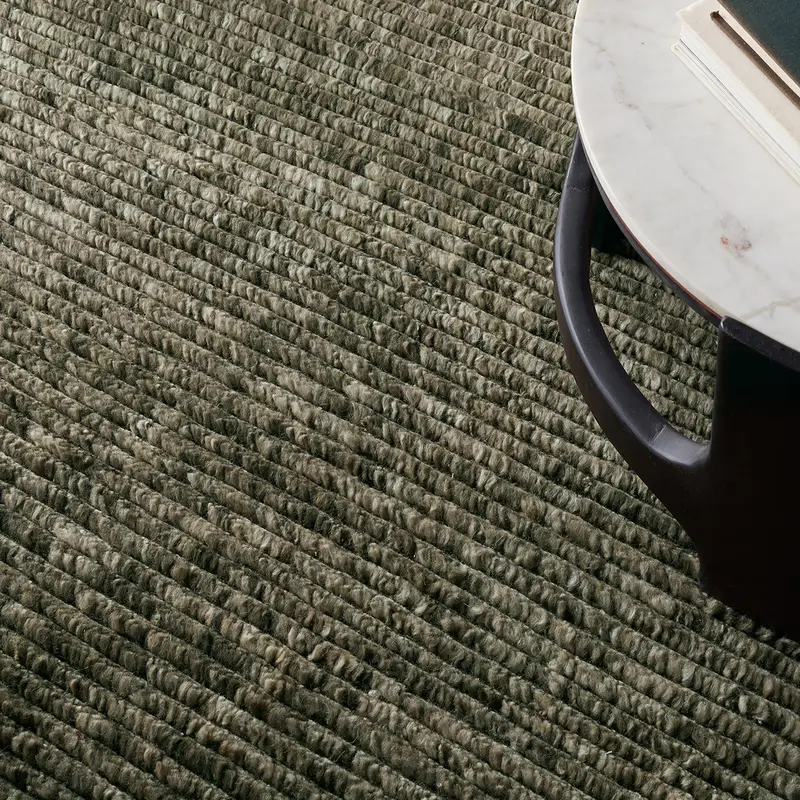
Accidentally spilling paint on your carpet can feel like a complete household disaster, yet it happens far more often than you might imagine. Whether you were touching up a baseboard, painting an accent wall, or indulging in a weekend craft project, a single careless slip or a knocked-over paint can instantly transform a routine home improvement task into a high-stress emergency. The bright, vibrant pigment that looked so appealing on your walls suddenly becomes a prominent eye-sore directly on your flooring. Fortunately, dealing with paint splatters does not mean you have to immediately replace your entire carpet or cover up the damage with clever furniture arrangements. With the right techniques, a bit of patience, and a basic understanding of carpet fibers, you can successfully lift both fresh and dried paint spills without causing permanent damage to your valuable home decor.
Understanding Paint Stains and Carpet Fiber Dynamics
To remove paint successfully, one must first recognize the fundamental chemistry between liquid pigments and synthetic or natural textiles. Water-based paints are generally easier to lift, especially when caught early, because their binder systems dissolve in common household solutions. Oil-based paints, on the other hand, contain resins and solvents designed to form a hard, durable finish, making them considerably tougher to break down once they absorb into carpet fibers. When a spill occurs, liquid paint coats the individual pile fibers and begins seeping down toward the carpet backing, where it can lock into the primary backing material and create a stiffened mass as it cures.
The composition of your carpet plays an equally crucial role in how a spill should be treated. Modern synthetic carpets made from nylon, polyester, or triexta are built to withstand heavy abrasion and stain treatments relatively well, allowing for stronger scrubbing and localized chemical application. Conversely, natural textiles require far more gentle handling to prevent permanent fiber degradation. Homeowners who own luxury pieces or inquire about how do you clean wool rugs know that harsh detergents, aggressive scraping, or excessive moisture can easily cause shrinkage, color bleeding, or fiber distortion. Knowing the exact material construction of your floor covering allows you to tailor your cleaning method, ensuring that while you eliminate paint pigments, you preserve the underlying structure and soft texture of your floor.
Step-by-Step Guide to Removing Water-Based Latex and Acrylic Paint
When dealing with a fresh spill of water-based latex or acrylic paint, speed is your absolute best ally. Begin immediately by using a clean white cloth or paper towel to blot as much excess paint as possible, making sure to press gently downward rather than rubbing side to side. Rubbing fresh paint only forces the liquid deeper into the carpet backing for high quality area rug and spreads the stain outward to neighboring fibers. Once you have absorbed the excess wet paint, create a gentle cleaning mixture by combining a few drops of mild liquid dish soap with warm water. Blot the affected spot with a clean sponge soaked in the soapy solution, working carefully from the outer edges of the stain toward the center to prevent the ring from expanding.
If the latex or acrylic paint has already dried completely into the carpet pile, hot water alone will no longer break down the dried binders. In this case, apply a modest amount of hot water or steaming water directly onto the hardened stain using a spray bottle, allowing it to sit for ten to fifteen minutes to soften the dried shell. Next, take a blunt butter knife or a soft-bristled brush to break apart the loosened paint crust without tugging heavily on the carpet yarns. Once the paint crust shatters, vacuum up the loose dry chips before re-treating the lingering residue with your warm soapy water solution. Finish the process by blotting with a dry towel and placing a heavy object over a stack of paper towels to absorb any remaining moisture.
Cleaning Oil-Based Paint Spills Safely and Effectively
Oil-based paints present a significantly higher challenge because water and standard dish soaps cannot break down the oil binders. To tackle an oil-based paint stain, you must use a suitable solvent such as mineral spirits, turpentine, or a specialized commercial paint remover. Always test any solvent on a small, hidden patch of carpet first to ensure it does not melt synthetic fibers, dissolve carpet adhesives, or cause severe color fading. Apply a small quantity of solvent directly to a clean white cloth—never pour solvents directly onto the carpet—and gently blot the painted area. You will notice the pigment transferring onto the cloth as the solvent dissolves the paint matrix.
As the paint dissolves, continuously rotate your cloth to a clean section so you do not transfer pigment back onto the carpet. Once the paint is completely dissolved and lifted away, you must address the chemical residue left behind by the solvent. Mix one tablespoon of gentle dish soap with two cups of warm water, and thoroughly blot the area to wash away the oily chemical remnants. Afterward, rinse the section with a damp cloth containing clear water to remove any residual soap, followed by thorough drying using dry towels. Taking these final steps ensures that no oily residues remain to attract dirt and cause localized darkening in the future.
Protecting Speciality Floor Coverings and Luxury Rugs
While standard wall-to-wall carpeting responds well to carefully executed DIY techniques, specialty floor coverings demand far greater restraint and specialized attention. High-value textiles, antique rugs, and delicate decorative pieces often feature intricate weave patterns and organic dye systems that bleed easily under improper cleaning conditions. Collectors and interior decorators investing in handmade persian rugs for sale understand that natural silk and hand-spun wool fibers can suffer irreversible damage if exposed to strong chemical solvents or excessive friction. When paint lands on delicate, artisanal floor coverings, aggressive blotting or solvent application can strip away natural oils and ruin artistic patterns.
Similarly, strategic placement of accent pieces often concentrates foot traffic and increases spill vulnerability in key living spaces. Proper carpet placement in living room layouts usually places decorative runners and area rugs directly under coffee tables, near doorways, or around high-activity seating arrangements where beverage drops and craft accidents are most likely to happen. In such high-traffic areas, placing durable Carpet Hall Runner Rugs over main thoroughfares can protect your underlying flooring investments. However, if a prized rug or custom carpet suffers a severe paint spill that proves resistant to gentle home remedies, seeking professional assistance becomes the safest and most practical choice to preserve your home’s value.
Long-Term Maintenance, Professional Restoration, and Interior Aesthetics
Maintaining pristine carpets throughout your home requires a healthy balance between proactive DIY care and professional support. While minor splatters can be managed at home, large or deep-seated paint Stains often benefit from deep extraction equipment operated by seasoned restoration technicians. When local homeowners seek affordable carpet cleaning and restoration near me, they gain access to high-powered steam extraction machines and industrial-grade neutralizing agents that can safely break down stubborn paint deposits deep within the backing layer without damaging surrounding pile fibers. Professional services not only eliminate stubborn stains, but they also revitalize carpet textures and extend overall carpet lifespan.
Taking holistic care of your home interior also involves managing seasonal decor changes that might inadvertently introduce new stains or wear onto your carpets. During festive seasons, homeowners often explore dynamic halloween outside home decorating ideas that involve temporary spray paints, fake blood, or outdoor pigments that can accidentally get tracked indoors on footwear. Ensuring that entryways are shielded with protective mats and establishing prompt cleanup routines prevents outdoor pigments from settling into interior textiles. By combining swift stain-fighting techniques, strategic floor covering choices, and periodic professional cleaning, you can ensure your living space remains clean, beautiful, and welcoming for years to come.
Frequently Asked Questions
What is the easiest way to remove dried water-based paint from carpet?
The simplest and safest method to remove dried water-based paint is to soften the hardened pigment using warm water or steam. Spray warm water directly onto the dried paint stain and let it soak for about ten to fifteen minutes until the dried paint becomes pliable. Once softened, use a blunt instrument like a butter knife or a stiff brush to gently scrape and loosen the paint crust from the carpet fibers. Vacuum away the loosened paint flakes, and then scrub the remaining residue with a mixture of warm water and mild liquid dish soap until the stain is completely lifted.
Can you use rubbing alcohol or nail polish remover to clean paint from carpet?
Rubbing alcohol can be effective for breaking down acrylic or latex paint residues, but nail polish remover containing acetone should be used with extreme caution. Acetone can easily dissolve synthetic carpet backing, melt certain synthetic fibers, or cause irreversible color loss. If you decide to use isopropyl rubbing alcohol, always perform a spot test on an inconspicuous corner of your carpet first. Apply small amounts of alcohol to a clean cloth rather than pouring it directly on the stain, and gently blot the area to prevent chemical saturation of the carpet backing.
Is it safe to clean paint from a wool rug using household detergents?
Cleaning paint from a wool rug requires gentle, non-alkaline cleaning agents specifically formulated for delicate or natural fibers. Heavy-duty household cleaners, bleach, or strong solvents can strip the natural lanolin oils from wool fibers, causing them to become brittle, dry, or discolored. When working with wool, always use cool or lukewarm water mixed with a mild wool-safe liquid detergent. Avoid aggressive scrubbing or excessive soaking, as wool fibers can shrink, felt, or trap unwanted moisture, leading to mold or mildew growth underneath the rug.
What should I do if paint bleeds deep into the carpet backing?
When liquid paint sinks deep into the carpet backing, standard superficial blotting will not be sufficient to lift the stain completely. In these instances, you must soften the deeply embedded paint using appropriate steam or solvent blotting while using a wet-dry vacuum to extract the moisture from deep within the carpet matrix. Avoid over-saturating the area, as trapped liquid in the backing can cause severe mold growth or damage the floor subfloor beneath. If the paint spill covers a wide area or reaches deep into the padding, hiring a professional restoration expert with industrial extraction tools is recommended.
How can I locate budget-friendly floor coverings if my carpet is permanently damaged?
If a paint stain turns out to be permanent and cannot be removed through DIY methods or professional cleaning, replacing the damaged section with an accent rug or new carpeting may be necessary. To find budget-friendly floor solutions, look for local flooring liquidators or clearance centers by searching for the Cheapest place to buy carpet near me. Remnant pieces, overstock carpet cuts, and durable runner rugs offer cost-effective alternatives to fully re-carpeting an entire room, allowing you to instantly refresh your living space without exceeding your budget.
Conclusion
Dealing with paint spills on your carpet can certainly be a nerve-wracking experience, but it does not have to end in permanent damage or costly flooring replacement. By acting quickly, identifying whether your paint is water-based or oil-based, and utilizing gentle, precise cleaning techniques, you can safely lift even stubborn pigments from your carpet fibers. Remember to always treat delicate textiles with extra care, avoid aggressive rubbing, and test any solvents prior to application. Whether you choose to handle minor stains yourself or call in professional restoration experts for larger disasters, keeping these practical strategies in mind ensures your carpets remain fresh, resilient, and visually stunning. Take action today by inspecting your high-traffic areas, stocking up on essential cleaning supplies, and giving your carpets the care and attention they deserve.

 English
 Arabic
 French
 Spanish
 Portuguese
 Deutsch
 Turkish
 Dutch
 Italiano
 Romaian
 Portuguese (Brazil)
 Greek