


Instrumentation Cable: Reliable Signal Transmission for Industrial Applications
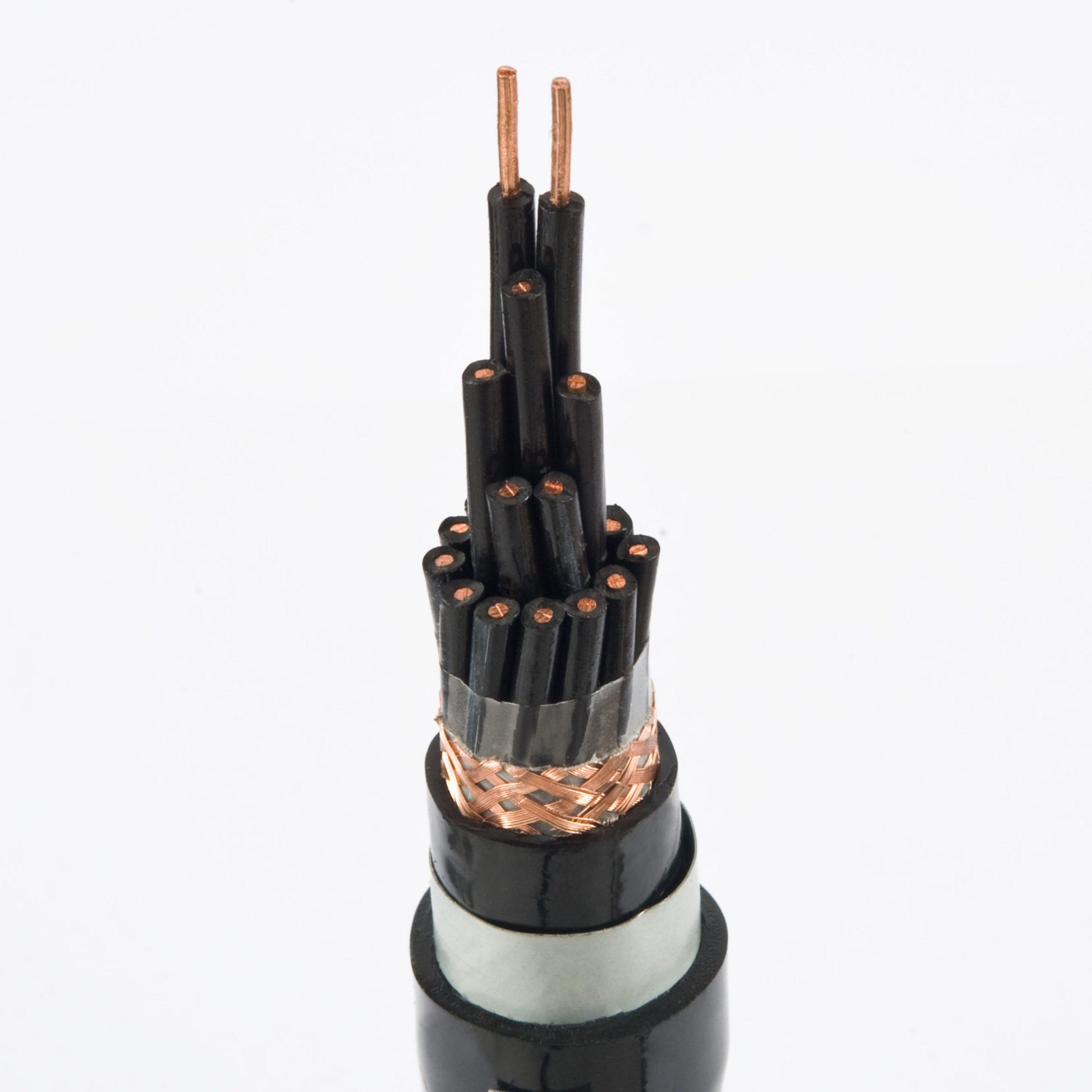
Choosing the Right Instrumentation Cable for Industrial Performance
Instrumentation cable plays a vital role in modern industrial operations by transmitting measurement signals and control information between instruments, sensors, monitoring equipment, and control systems. In industries where accuracy, reliability, and operational safety are essential, selecting the right cable can significantly influence system performance. HBNfpower offers cable solutions designed to support industrial communication, process monitoring, and dependable signal transmission across a variety of demanding applications.
Why Instrumentation Cable Matters
Industrial facilities depend on accurate data to monitor processes, regulate equipment, and maintain consistent production. Instrumentation cables help transfer low-voltage signals from field instruments to control rooms, programmable logic controllers, and distributed control systems. These connections support continuous monitoring and help operators make informed decisions.
Unlike ordinary power cables, instrumentation cables are specifically designed for signal transmission. Depending on their construction, they may incorporate shielding, insulation, and protective outer sheaths to minimize electrical interference and withstand environmental conditions. Choosing a suitable cable helps reduce signal distortion and supports stable communication between connected devices.
HBNfpower recognizes the importance of dependable cable infrastructure and provides solutions for businesses seeking practical products for industrial control and instrumentation projects.
Key Features of Quality Instrumentation Cable
When evaluating instrumentation cable, buyers should consider several important characteristics. Electrical performance is a primary concern because signals must reach their destination with minimal interference. Shielding, including individual-pair or overall shielding where appropriate, can help protect sensitive signals from electromagnetic noise generated by nearby equipment.
Insulation materials also influence cable performance. The appropriate insulation depends on operating temperature, voltage requirements, installation conditions, and applicable standards. Similarly, the outer sheath should provide suitable protection against abrasion, moisture, chemicals, or other environmental factors relevant to the installation.
Cable construction is another important consideration. Pair configuration, conductor material, conductor size, and overall cable design should match the requirements of the intended system. By assessing these specifications carefully, project managers and procurement teams can select products that support dependable operation and long-term value.
HBNfpower serves customers looking for cable solutions that align with different industrial requirements, helping them evaluate the characteristics needed for their specific applications.
Applications Across Multiple Industries
Instrumentation cable is widely used in industries that depend on precise measurement and coordinated equipment control. In oil and gas facilities, it supports connections between monitoring instruments, pressure sensors, flow meters, and control systems. In chemical and petrochemical plants, suitable instrumentation cabling helps transmit process information needed for monitoring operating conditions.
Power generation facilities also rely on instrumentation cables to connect measurement devices and control equipment. Manufacturing plants use them in automated production lines, process monitoring systems, and industrial machinery. Water treatment facilities can use appropriate instrumentation cabling to connect sensors and equipment that monitor flow, pressure, and water quality.
Each application presents different operating conditions. Therefore, selecting the correct cable requires attention to electrical characteristics, environmental exposure, installation methods, and relevant industry requirements.
How to Select the Best Instrumentation Cable
A successful cable selection process begins with a clear understanding of project specifications. First, identify the signals being transmitted and determine whether individual-pair shielding, overall shielding, or another construction is appropriate. Next, evaluate the installation environment, including temperature variations, moisture exposure, chemical contact, and potential mechanical stress.
Buyers should also confirm conductor size, insulation type, sheath material, cable length, and compatibility with connected equipment. Compliance with applicable standards and project documentation is essential, particularly for installations in regulated or hazardous environments.
Working with a knowledgeable cable supplier can simplify the selection process. HBNfpower provides a starting point for businesses comparing cable solutions for industrial instrumentation and control requirements. Reviewing technical specifications before purchasing helps reduce mismatches and supports more efficient project planning.
Why Consider HBNfpower?
Selecting a cable supplier involves more than comparing product descriptions. Buyers need clear specifications, suitable product options, and solutions aligned with their installation requirements. HBNfpower focuses on cable products for electrical infrastructure and industrial applications, helping customers explore options for projects that require dependable connectivity.
Whether planning a new industrial facility, upgrading an existing control system, or sourcing materials for a maintenance project, businesses should prioritize cable suitability, construction quality, and documented technical performance. A carefully selected instrumentation cable can contribute to reliable signal transmission and consistent system operation.
Conclusion
Instrumentation cable is an essential component of accurate industrial monitoring and control. From manufacturing and energy production to process industries and water treatment, the right cable supports communication between instruments and control systems. By evaluating shielding, insulation, conductor specifications, environmental protection, and applicable standards, buyers can make informed purchasing decisions.
HBNfpower offers a practical option for businesses exploring instrumentation cable solutions for their industrial projects. Choosing products that meet defined technical requirements helps establish a reliable foundation for efficient operations, consistent monitoring, and long-term infrastructure performance.

 English
 Arabic
 French
 Portuguese
 Deutsch
 Turkish
 Dutch
 Italiano
 Russian
 Romaian
 Portuguese (Brazil)
 Greek