


Bunions & Plantar Fasciitis: Treatment Options Explained by a Foot Specialist’s Guide
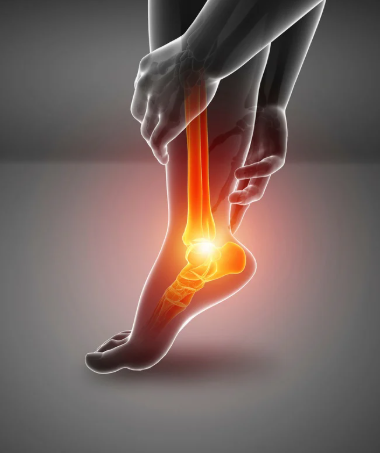
Foot pain has a way of taking over your day. You notice it when you pull on your shoes, when you stand up from the sofa, and when you take your first steps out of bed. Because it’s so constant, many people put up with it for months or even years before asking for help.
This guide covers two of the most common foot complaints we see: bunions (including the less familiar tailor’s bunion) and plantar fasciitis. You’ll find what causes each one, what you can try at home, when it makes sense to see a specialist, and what to expect from the options available.
First, a Quick Word on How the Foot Works
Your foot is more complicated than it looks. It has 26 bones, dozens of joints, and a network of tendons and ligaments that must work together to support your body weight every time you take a step. Most of the time, this system does its job without complaint.
Problems tend to start when something changes the balance: years of tight footwear, an inherited foot shape, a sudden increase in activity, or simple wear and tear. A bone shifts position, or a band of tissue gets overloaded. Pain follows.
Bunions and plantar fasciitis are different problems, but they share a common pattern. They usually begin quietly, get worse gradually, and respond best when they’re dealt with early.
Understanding Bunions
A bunion (the medical term is hallux valgus) is the bony bump on the inner side of the foot, at the base of the big toe. It develops as the big toe slowly drifts toward the smaller toes, pushing the joint outward.
Bunions are common. More than a third of people over 65 have one, and they affect women about twice as often as men. Plenty of people live with them without any trouble. For others, the bump rubs against shoes, becomes red and sore, and gets harder to ignore as time goes on.
Common signs
- A visible, bony lump on the inside of the foot
- Pain or tenderness around the big toe joint
- Redness or swelling after a day on your feet
- The big toe angling toward the second toe
- Calluses or corns where toes overlap or rub
- Difficulty finding shoes that fit comfortably
Why they happen
Genetics play a big part. If your mother or grandmother had bunions, you’re more likely to develop them too. Narrow, pointed or high-heeled shoes don’t usually cause a bunion on their own, but they can speed up the problem and make the symptoms worse.
What Is a Tailor’s Bunion?
The name sounds old-fashioned, and it is. Tailors once sat cross-legged all day with the outer edge of their feet pressed against the floor, and that’s how the term started.
A tailor’s bunion (also called a bunionette) is a bump on the outer side of the foot, at the base of the little toe. It looks like a smaller cousin of the classic bunion, but it can be just as uncomfortable. Because the little toe sits right at the edge of the shoe, even a modest bump can rub, blister and become inflamed.
Symptoms include a hard, tender lump on the outside of the foot, redness and swelling, thickened skin over the bump, and pain that increases with tight shoes. Causes are similar to bunions: an inherited foot shape, a shift in the bones of the little toe, and footwear that squeezes the forefoot.
Because it’s less well known, people sometimes ignore it for a long time or assume nothing can be done. The reality is that there are sensible options, which we cover below.
Treatment for Bunions: What Actually Helps
If you’re searching for treatment for bunions, the first thing to know is that there’s no single right answer. The best approach depends on how much the bunion bothers you, not just on how it looks. A large bump that causes no pain may not need anything, while a smaller one that makes every walk miserable may deserve attention.
Start with the simple measures
These won’t straighten the toe, but they can ease symptoms:
- Wider, softer shoes. Look for a roomy toe box and avoid high heels and pointed styles where you can.
- Padding and spacers. Silicone pads can cushion the bump and reduce rubbing.
- Insoles or orthotics. These may help to redistribute pressure across the foot.
- Pain relief. Over-the-counter medication, or ice after a long day, can calm flare-ups. Check with a pharmacist or GP if you’re unsure what’s suitable for you.
Be realistic about what non-surgical care can do
This is the honest part. Shoes, pads and insoles can make life more comfortable, but they can’t reverse the position of the bone. If the big toe keeps drifting, the bump can slowly grow, the second toe can become crowded, and painful calluses can form. For people in that situation, corrective surgery is the only reliable way to change the underlying problem.
Modern surgery is not what it used to be
Many people picture bunion surgery as a long, painful recovery with a big scar. Techniques have moved on. Minimally invasive surgery involves cutting and resetting the bones in the foot through very small skin incisions, using specialist instruments and implants. Mr Pavel Akimau, a Consultant Orthopaedic Surgeon, uses this approach for his bunion patients, and many people are pleased by how quick and comfortable the recovery is compared with what they expected.
You can read more about the approach on the bunions page.
Which treatment for bunions is right for you?
Ask yourself a few honest questions:
- Does pain stop me doing things I enjoy, like walking, exercise or work?
- Have I tried wider shoes and padding for a reasonable time?
- Is the toe getting worse, or are my other toes starting to be affected?
- Am I avoiding social events or buying shoes purely because of my feet?
If you’re answering yes to several of these, a consultation is worth booking. A specialist can examine the foot, review an X-ray taken while you’re standing, and talk you through realistic options.
Tailor’s Bunion Treatment: Your Options
When it comes to tailor’s bunion treatment, the logic is much the same as for a standard bunion: begin with the least invasive options and escalate only when needed.
Footwear first. Because the bump sits right on the outer edge of the foot, shoe choice matters even more. Choose shoes with a wide forefoot and soft uppers, and avoid anything that presses on the outer side of the foot.
Protection and padding. A small pad or sleeve over the bump can stop rubbing and reduce irritation, especially in the early stages.
Managing flare-ups. Rest, ice and appropriate pain relief can settle inflammation. If the area becomes very red, hot or swollen, get it looked at rather than waiting.
Surgical correction. If the bump is painful despite sensible changes, a surgeon can realign the bone at the base of the little toe. As with bunion surgery, there are modern techniques that use smaller incisions. Whether surgery is right depends on your symptoms, your foot shape and your goals, which is why an individual assessment matters.
The key point is that you don’t have to simply put up with an outer-foot bump because “that’s just how my feet are.”
Understanding Plantar Fasciitis
Now to the other end of the foot. The plantar fascia is a thick band of tissue running along the sole, from the heel bone to the base of the toes. It acts like a bowstring, supporting the arch every time you push off.
When that band becomes irritated or overloaded, the result is plantar fasciitis. It’s remarkably common, affecting around one in ten people, and it’s especially frequent in active working adults between 25 and 65.
The classic symptom
The hallmark of plantar fasciitis is sharp heel pain with the first few steps in the morning, or after you’ve been sitting for a while. It often eases once you’ve been moving for a few minutes, only to return after a long day on your feet. Some people describe it as a stabbing feeling, others as a deep bruise on the heel.
Who gets it?
- People who spend long hours standing or walking
- Runners and those who’ve recently increased their activity
- People who are carrying extra weight
- Anyone with tight calf muscles or a very high or flat arch
- Those who wear unsupportive shoes, especially on hard floors
Plantar Fasciitis Treatment: The Step-by-Step Approach
The reassuring news about plantar fasciitis treatment is that most people improve without surgery. The less reassuring news is that recovery can be slow, and consistency is what counts.
Stage one: self-care at home
- Stretching. Gentle, regular stretches for the calf and the sole of the foot are usually the foundation of recovery. Do them daily, not just when it hurts.
- Supportive footwear. Avoid going barefoot on hard floors and choose shoes with cushioning and arch support.
- Activity adjustment. You don’t have to stop moving, but cut back on whatever sets off the pain, such as long runs or extended standing, while it settles.
- Ice and rest. A cold pack on the heel after a busy day can ease soreness.
Stage two: adding extra support
If a few weeks of home care aren’t enough, a clinician may suggest additional options. These can include night splints that hold the foot in a gentle stretch while you sleep, insoles or heel cups, and physiotherapy to improve flexibility and strength.
Stage three: specialist options
When simpler measures haven’t worked, further plantar fasciitis treatments are available. These can include injections and shockwave therapy. Both are aimed at settling persistent pain, and your specialist can explain which is more suitable in your case.
When surgery is considered
For a small number of people, the pain continues despite everything above. In those cases, surgery can be a good option. In Mr Akimau’s practice, the operation is a straightforward procedure aimed at easing the tension that drives the problem, and patients are able to walk immediately afterwards. Surgery is always a considered decision after other measures have been given a fair chance, and a specialist can explain whether you’re a good candidate.
Bunions vs Plantar Fasciitis at a Glance
| Bunion / Tailor’s bunion | Plantar fasciitis | |
|---|---|---|
| Where it hurts | Base of big toe or little toe | Heel and underside of the foot |
| What you notice | A visible bony bump, shoe rubbing | Sharp pain on first steps in the morning |
| First-line help | Wider shoes, padding, insoles | Stretching, supportive shoes, rest |
| If it persists | Specialist review; surgery may be considered | Splints, injections, shockwave; surgery rarely |
When Should You See a Specialist?
It’s sensible to book an appointment if:
- Your pain has lasted more than a few weeks despite home care
- You’re limping, or changing the way you walk to avoid pain
- The bump is growing, or your toes are shifting
- Foot pain is affecting your sleep, work or exercise
- You have diabetes, poor circulation or reduced sensation in your feet (get advice sooner in this case)
- You notice sudden swelling, heat, numbness or a wound that won’t heal
A good consultation should leave you feeling informed rather than pressured. You should come away understanding what’s wrong, what your options are, and what each one involves.
Everyday Habits That Protect Your Feet
Whatever your diagnosis, these habits can help keep problems from returning:
- Replace worn-out shoes, especially trainers you use often.
- Choose footwear that fits your foot shape, not the other way round.
- Warm up and stretch before exercise, and build up activity gradually.
- Keep your calves flexible with regular stretching.
- Maintain a healthy weight, which reduces load on every joint in the foot.
- Don’t ignore small niggles. Early attention often means simpler treatment.
Frequently Asked Questions
1. Can a bunion go away on its own?
No. Once the bone has shifted, it won’t correct itself. Shoes, pads and insoles can ease the discomfort, but they can’t straighten the toe. That’s why symptoms, rather than appearance, usually drive the decision about further care.
2. Do I need surgery for every bunion?
Not at all. Many people live comfortably with a bunion. Surgery is generally considered when pain or deformity is affecting daily life and simpler measures haven’t been enough.
3. Is bunion surgery very painful, and how long is recovery?
Experiences vary, and your surgeon will give you personalised guidance. Minimally invasive techniques use small incisions, and many patients report a quicker and less painful recovery than they expected. Ask your surgeon specifically about timelines for walking, driving and returning to work.
4. What is the difference between a bunion and a tailor’s bunion?
A bunion forms at the base of the big toe on the inner side of the foot. A tailor’s bunion forms at the base of the little toe on the outer side.
5. How long does plantar fasciitis take to heal?
It differs from person to person. Many people improve over several months with consistent stretching and good footwear, though some take longer. Persistent symptoms deserve a proper assessment.
6. Why is plantar fasciitis worse in the morning?
During rest, the plantar fascia tightens slightly. The first steps of the day suddenly stretch it, which causes the sharp pain. It usually eases once the tissue warms up.
7. Will insoles fix my foot problem?
Insoles can help many people by supporting the arch and spreading pressure more evenly, particularly for plantar fasciitis and bunion discomfort. They’re an aid rather than a cure, and they work best alongside other measures.
8. Can I keep exercising with plantar fasciitis?
Often yes, with changes. Low-impact activities such as swimming or cycling are usually easier on the heel than running. Your clinician can advise what’s appropriate for you.
9. Should I see a GP or a specialist first?
A GP is a good starting point and can arrange referrals. If your symptoms are persistent or severe, or you’d like a specialist foot and ankle opinion, you can book directly with a consultant.
Final Thoughts
Bunions, tailor’s bunions and plantar fasciitis are all common, and none of them is something you simply have to live with. The most important step is the first one: understand what you’re dealing with, try the sensible basics, and get advice before the problem becomes entrenched.
If you’re weighing up treatment for bunions or exploring plantar fasciitis treatment and want a clear, personalised plan, book a consultation with a foot and ankle specialist who can examine your feet and talk you through the options.
Ready to take the next step? Book an appointment with Mr Pavel Akimau to discuss your symptoms and get a plan that fits your life.

 English
 Arabic
 French
 Spanish
 Portuguese
 Deutsch
 Turkish
 Dutch
 Italiano
 Romaian
 Portuguese (Brazil)
 Greek