


Painting Baseboards With Carpet: How to Protect Your Carpet From Paint
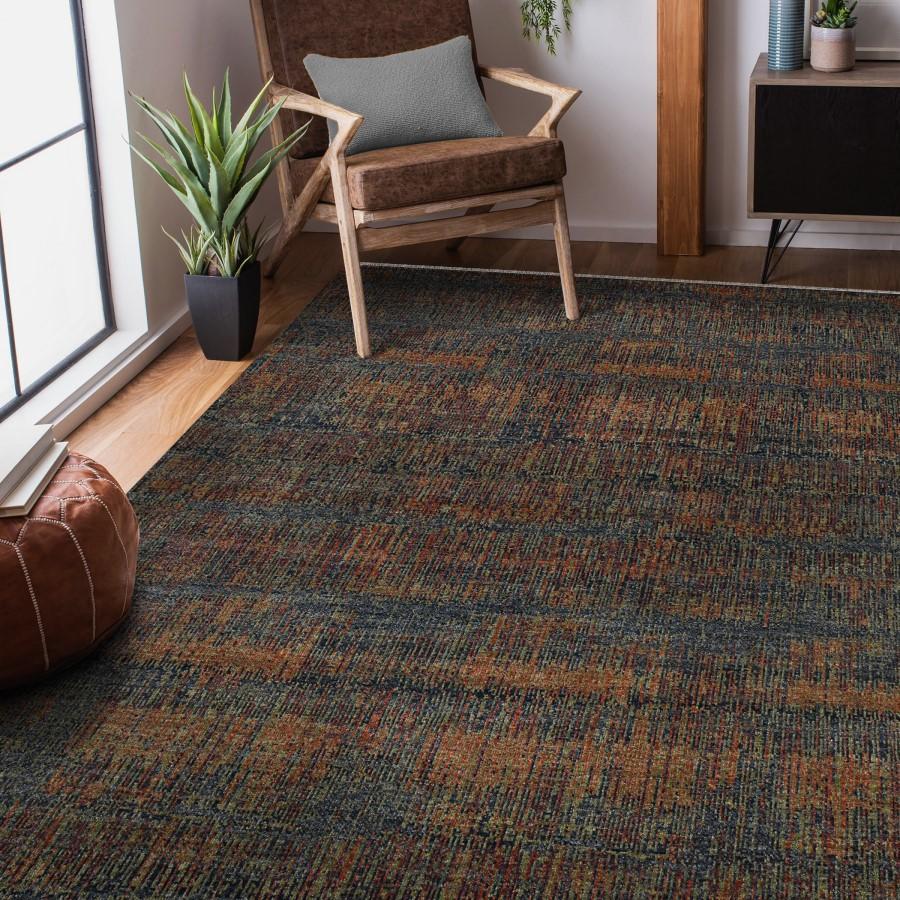
Giving your home a fresh, clean coat of paint is one of the most rewarding weekend projects you can undertake, yet painting baseboards with carpet present in the room often causes intense anxiety for even experienced homeowners. Baseboards sit directly against carpet fibers, meaning that one tiny slip of the paintbrush, an accidental drop of paint, or a heavy bristled stroke can ruin your flooring in seconds. The tight gap where wooden trim meets plush carpet pile makes clean lines remarkably difficult to achieve without proper technique. Fortunately, keeping your carpet completely clean while achieving crisp, professional paint lines on your baseboards is entirely achievable when you apply smart prep strategies, use proper masking techniques, and choose appropriate painting tools.
Protecting your carpet during trim work is not merely about preventing messy cleanups; it is also about protecting your overall investment in your home interior. Paint dripping into carpet pile can harden into stiff, unsightly clumps that ruin the texture and appearance of your room. By taking time to prepare your work space and employing proven shielding methods, you save yourself hours of tedious scrubbing or the frustration of hiring professional cleaning technicians. Understanding how to manage carpet tension, select effective paint guards, and execute precise brush strokes will turn a potentially stressful project into a seamless, satisfying home improvement success.
Essential Preparation and Space Setup Before Painting
Before opening a single paint can, setting up your workspace correctly is the foundation of a clean and efficient project. Room preparation begins with cleaning the immediate area surrounding the baseboards. Vacuuming along the baseboard trim removes loose dust, dirt, and pet hair that could otherwise get swept up into your wet paint brush or trapped underneath your painter’s tape. If you are working in dedicated functional spaces, such as coordinating interior decorating ideas for home office designs or refreshing a living room layout, clear away desk chairs, cables, and nearby furniture to grant yourself unrestricted physical access along every foot of wall trim.
Creating adequate working distance also involves managing high-value decorative floor coverings that might be nearby. If your room features movable accent pieces, shift them completely out of the workspace before starting. Interior enthusiasts who prefer to Buy Handmade Rugs or showcase precious textiles like antique hand knotted persian rugs know that natural fibers can absorb wet paint rapidly, making full removal extremely difficult. Moving accent rugs to a separate, secure room eliminates any risk of accidental drips or paint-soiled shoes touching your investment pieces. Once the immediate work zone is completely clear, you can focus entirely on applying protective barriers along the baseboard edge.
Masking and Shielding Techniques for Wall-to-Wall Carpeting
The key to successful baseboard painting over carpet lies in creating a physical barrier that pulls the carpet fibers down and away from the bottom edge of the wooden trim. One of the most effective methods involves using wide painter's tape combined with a stiff taping knife or putty tool. Start by pressing a strip of heavy-duty painter’s tape onto the carpet about an inch away from the baseboard. As you lay the tape down closer to the wood, use your taping knife to physically tuck the tape downward into the narrow gap between the carpet tack strip and the baseboard bottom. This tucking motion pins the carpet pile down, leaving the entire wooden face exposed for clean brush strokes.
Another reliable technique involves utilizing rigid masking guards or wide plastic shields designed specifically for painting trim. Plastic paint shields can be slid directly under the baseboard edge as you paint, acting as a portable physical baffle that blocks stray drips. You simply hold the shield tightly against the carpet with one hand, paint the section of baseboard directly above it, and then slide the shield down to the next section. For high-traffic hallways where a low pile height hallway runner rug or fitted runner carpet meets narrow baseboard trim, combining tucked blue painter’s tape with drop cloths pinned along the edges provides maximum security against splatters and foot traffic tracking.
Application Best Practices and Brush Techniques
Once your protective masking is securely in place, your painting technique plays an equally vital role in preventing bleed-through. The most common mistake homeowners make is loading too much paint onto the brush bristles, which causes heavy drips that seep beneath protective tape barriers. Dip only the bottom third of your brush bristles into the paint, and gently tap off any excess against the inner rim of your container. Use an angled sash brush, which provides superior control and allows you to glide along the top and bottom edges of the baseboard with surgical precision.
When applying paint near the bottom edge where the baseboard touches your carpet shield, paint with smooth, horizontal strokes parallel to the floor rather than pushing the brush downward into the carpet crease. Pushing bristles downward forces wet paint into the tiny crevice where tape edges meet, increasing the chance of paint bleeding onto hidden carpet fibers. Apply two thin coats rather than one heavy layer, allowing sufficient drying time between applications. Thin coats dry faster and drastically reduce the risk of wet paint running or pooling along your protective tape edges.
Managing Mistakes and Caring for Carpet Fiber Health
Even with careful preparation, minor accidents can occasionally happen during a painting project. If a drop of paint lands on an exposed section of carpet, responding immediately with the right technique prevents permanent damage. For water-based latex paints, instantly blot the spot with a clean, wet microfiber cloth or paper towel, making sure to lift upward rather than rubbing side-to-side. Rubbing pushes wet paint deeper into the carpet backing, whereas gentle blotting extracts the pigment away from the fibers. Keeping a spray bottle of warm water and mild dish soap nearby allows you to quickly address small splatters before they have a chance to set and harden.
Understanding the structural composition of your carpet helps you handle cleanup effectively without ruining pile texture. Synthetic fibers like nylon and polyester withstand gentle blotting and mild detergents well, whereas natural fibers demand far more caution. Homeowners who know how to clean wool area rug textiles understand that excess water, hot temperatures, or harsh chemical solvents can shrink wool or strip away natural lanolin coatings. If paint seeps deep into carpet backing or dries completely into heavy pile, contacting professional carpet cleaning and restoration services is often the safest path. Industrial steam extraction and specialized neutralizers can dissolve hardened paint without harming the structural integrity of your flooring.
Integrating Flooring Care into Overall Home Design Strategies
Protecting your carpet during baseboard maintenance fits into a broader approach to home design and maintenance. Clean baseboards provide a sharp, polished frame for every room, enhancing the visual appeal of your entire interior layout. When baseboards look crisp and fresh, they accentuate surrounding decorative elements, from furniture placement to floor textiles. Decorators considering how should rugs be placed in living room arrangements often use freshly painted baseboards as a clean boundary line that grounds large area rugs, sectionals, and accent lighting, creating a harmonious and balanced atmosphere throughout the living space.
If your project reveals that your existing carpeting is worn, heavily stained from past projects, or beyond simple repair, evaluating your overall flooring budget becomes an important next step. Exploring local home improvement outlets or researching where is the cheapest place to buy carpet can help you identify high-quality, durable carpet options or remnant rolls that fit your budget. Refreshing both your trim and your flooring dramatically elevates home value, turning a simple painting effort into a comprehensive interior transformation that you can enjoy for years to come.
Frequently Asked Questions
What is the best type of tape to use on carpet when painting baseboards?
Heavy-duty painter’s tape with medium-to-high adhesion, typically two inches wide or broader, works best for masking carpets. Look for premium painter’s tape designed for textured surfaces, as it forms a tighter seal against carpet fibers than standard low-tack masking tape. Combining wide painter’s tape with a stiff putty knife allows you to firmly push the tape edge down between the tack strip and baseboard, creating an effective seal that prevents wet paint from creeping onto the pile.
How long should I wait before removing tape from the carpet after painting?
You should ideally pull the painter’s tape up while the final coat of paint is slightly damp to the touch, or after it has dried completely, depending on the paint manufacturer's guidelines. If the paint has dried into a hard film over the tape seam, run a sharp utility knife lightly along the bottom edge of the baseboard before peeling the tape away. Scoring the edge cuts the paint film, preventing the newly applied paint from peeling off the wood or pulling away in jagged strips as you remove the tape.
Can I paint baseboards over carpet without using tape at all?
While it is possible to paint baseboards without tape by using a wide plastic or metal paint shield, doing so requires a steady hand and constant cleaning of the shield edge. As you slide the shield along the floor, any paint that smudges onto the underside of the guard will transfer directly onto your carpet. If you choose not to use tape, keep a damp cloth handy to wipe both sides of the shield clean after every single brush stroke section to ensure zero paint transfers to your carpet fibers.
What should I do if latex paint dries on my carpet before I notice it?
If latex paint dries on your premium area outdoor runner rug , apply a generous spray of warm water mixed with a few drops of liquid dish soap directly onto the dried spot. Let the soapy water soak into the paint for ten to fifteen minutes to soften the acrylic binders. Once the paint crust softens, gently pick apart the loosened flakes using a blunt butter knife or a soft-bristled brush, taking care not to pull out carpet yarns. Vacuum up the loosened chips and blot the remaining spot clean with a damp towel.
Should I lift my carpet edge off the tack strip before painting baseboards?
Lifting the carpet edge off the tack strip is generally unnecessary and can create significant extra work, as re-stretching and re-attaching carpet requires specialized knee-kicker tools. Tucking painter's tape or sliding a broad plastic paint guard beneath the baseboard provides more than enough clearance to paint cleanly without disturbing carpet installation. Unhooking carpet from tack strips should only be reserved for full room renovations where you intend to replace or re-stretch the carpet anyway.
Conclusion
Painting baseboards with premium rugs in the room does not have to be a stressful or risky task. By taking the time to vacuum the workspace, select wide painter's tape, and properly tuck protective barriers beneath the bottom edge of your trim, you create a fail-safe environment for clean, precise painting. Working with light brush strokes and keeping wet cloths nearby guarantees that your carpet remains spotless throughout the process. A freshly painted set of baseboards frame your rooms beautifully, elevating your overall home decor and protecting your flooring investment. Prepare your workspace today, mask your edges with care, and enjoy the transformative power of crisp, clean trim in every room of your home.

 English
 Arabic
 French
 Spanish
 Portuguese
 Deutsch
 Turkish
 Italiano
 Russian
 Romaian
 Portuguese (Brazil)
 Greek