


Filament or Resin? A Beginner’s Guide to Choosing Your First 3D Printer
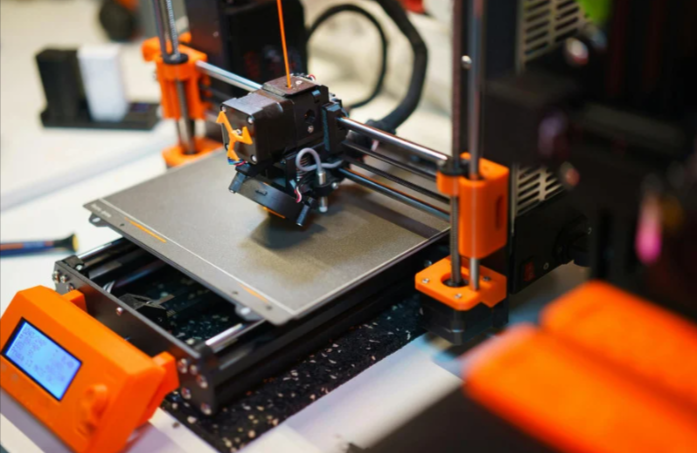
A few years ago, owning a 3D printer meant hours of tinkering, a lot of failed prints and a fair amount of swearing. Today it’s much easier. You can take a printer out of the box, level it automatically, and have your first model in your hands within the hour.
That’s good news, but it also creates a new problem: there’s now a lot to choose from. Do you want a fast, enclosed filament machine or a resin printer that captures tiny details? Which brand suits your budget? And what do you need to buy besides the printer itself?
This guide walks through these questions in plain language, so you can make a confident decision, whether you’re a student, a hobbyist, a designer or a small business owner.
First, Understand the Two Main Types of 3D Printing
Most consumer printers fall into two families.
FDM (Fused Deposition Modelling) printers melt plastic strands and lay them down layer by layer. They’re the most common type, they handle large objects well, and they’re great for functional parts, prototypes, gadgets and household items. Their fuel is filament.
Resin (SLA / MSLA) printers use a light source to cure liquid resin, layer by layer. They produce incredibly smooth, detailed results, which is why they’re favoured for miniatures, jewellery models, dental and engineering prototypes, and anything where surface finish matters. Their fuel is resin.
Neither is “better.” They’re built for different jobs. The right choice depends on what you want to make, and we’ll get to that shortly.
What Makes Bambu Lab Printers So Popular?
If you’ve spent any time in 3D printing communities, you’ve heard the name Bambu Lab. The brand built its reputation by taking the fiddly parts of 3D printing and making them automatic.
A typical Bambulab 3D printer comes largely assembled, calibrates itself, and prints at speeds that older machines struggle to match. Many models also support multi-colour and multi-material printing through an automatic filament system, so you can print a colourful model in a single job instead of painting it afterwards. The software is polished, and print profiles for common materials are already tuned for you.
Who it suits
- Beginners who want results without a steep learning curve
- Makers and creators who print often and value speed
- Small businesses that need reliable output for prototypes or products
- Families and schools who want something dependable and safe to operate
Things to keep in mind
Faster, more capable machines cost more than entry-level options. Enclosed models also need decent ventilation and a sensible location, since printing can produce fumes depending on the material. Think about where your printer will live before you buy it.
If you’d like to see what’s currently available, you can browse the full range on the Bambu Lab printers page.
Where Does Elegoo Fit In?
Elegoo has built a strong following by offering good value across both families of printing. The company is well known for budget-friendly resin printers, and it also makes FDM machines that appeal to people who want solid performance without a premium price.
Choosing an Elegoo 3D printer is often a smart move if:
- You’re on a tighter budget but don’t want to compromise on basic quality
- You want to try resin printing without a big financial commitment
- You’re a student or hobbyist learning how printers work
- You want a well-supported brand with plenty of community help online
Because Elegoo covers both resin and filament, it’s an easy brand to grow with. You can start small, learn the basics, and add a second printer later if your needs change.
Have a look at the current options on the Elegoo printers page.
Bambu Lab vs Elegoo: A Simple Comparison
| Bambu Lab | Elegoo | |
|---|---|---|
| Known for | Speed, automation, polished experience | Value for money, wide range |
| Best for | Frequent printing, multi-colour work, beginners who want ease | Budget buyers, students, resin enthusiasts |
| Setup effort | Very low | Low to moderate, depending on model |
| Price position | Mid to premium | Entry to mid |
| Print types | Mainly FDM | Both FDM and resin |
The truth is, there’s no wrong answer here. If your priority is “press print and walk away,” Bambu Lab is hard to beat. If your priority is “get started without overspending,” Elegoo makes a lot of sense. Many experienced makers own printers from both.
Don’t Forget the Materials: Your Printer Is Only Half the Story
New buyers often spend weeks researching printers and five minutes thinking about materials. That’s backwards. The material you print with determines how strong, flexible, smooth or heat-resistant your finished piece will be.
Everything you need to know about 3D printer filament
If you’ve chosen an FDM machine, 3D printer filament is the thing you’ll buy again and again. It comes on spools, usually in 1 kg sizes, and in a huge range of colours. Here are the common types:
- PLA: The beginner’s favourite. Easy to print, low odour, available in many colours. Good for display models, toys, prototypes and general use. It softens in high heat, so don’t leave PLA prints inside a hot car.
- PETG: Tougher and more heat-tolerant than PLA, with a bit of flexibility. Good for functional parts and containers.
- ABS / ASA: Strong and heat-resistant, but trickier to print and best with an enclosed printer and good ventilation. Common for automotive and outdoor parts.
- TPU: A flexible, rubber-like material for phone cases, gaskets and grips.
- Specialty filaments: Silk, matte, wood-filled, carbon-fibre-filled and more, for cosmetic or high-strength projects.
Tip: Filament absorbs moisture from the air, and humid weather (very relevant in coastal cities like Chennai) can cause stringing, bubbling and weak prints. Store spools in airtight boxes with silica gel, and dry them if they’ve been exposed for a while.
You can explore the full selection on the filament page.
Getting to know 3D printer resin
For anyone going down the detail-focused route, 3D printer resin is the heart of the process. It’s a light-sensitive liquid that hardens when exposed to UV light, which is how resin printers build each layer.
Types you’ll come across include:
- Standard resin: The all-rounder for models, figurines and prototypes.
- Tough or ABS-like resin: More impact-resistant, for functional parts.
- Flexible resin: Bends and compresses, useful for certain prototypes.
- Water-washable resin: Cleans up with water instead of isopropyl alcohol, which some beginners find more convenient.
- Castable and dental or specialty resins: For jewellery casting and professional applications.
Resin printing is brilliant, but it’s messier than filament and it needs more care. Uncured resin is a skin irritant, so you should always wear nitrile gloves and eye protection, work in a ventilated area, and keep resin away from children and pets. Prints also need to be washed and cured under UV light before they’re finished, and leftover resin and cleaning liquid should be disposed of responsibly (never poured down the drain).
Browse available options on the resin page.
Filament or Resin: Which Should You Choose?
Ask yourself what you’re going to make most often.
Choose filament (FDM) if you want to:
- Print larger objects
- Make functional parts such as brackets, holders and enclosures
- Keep the process clean and simple
- Spend less on materials per print
- Have a printer in a home or office without much fuss
Choose resin if you want to:
- Print miniatures, figurines or jewellery patterns
- Capture very fine detail and smooth surfaces
- Create dental, engineering or product-design prototypes with high precision
- Accept a more hands-on process for the sake of the result
For a first printer, most people are better off with filament. It’s cleaner, more forgiving, and easier to set up in a typical home. If you later discover a need for fine detail, adding a resin machine is a natural next step.
Practical Tips Before You Buy
Think about space. A printer needs a stable, level surface. Resin printers also need room for washing and curing stations. Filament printers need airflow and room for the spool.
Plan for ventilation. Whatever you choose, don’t run a printer in a closed bedroom. A well-ventilated room or a spot near a window is a good idea.
Check the ecosystem. Look at software, spare parts, community support and how easy it is to get help locally. A great printer is far more useful when you can get service and consumables easily.
Budget for extras. Beyond the printer, you’ll likely want filament or resin, spare nozzles or FEP film, build plates, tools, a deburring kit, isopropyl alcohol (for resin), gloves and storage boxes. Add 15–25% to your budget to cover these.
Buy from a supplier who stands behind the product. Local support, warranty clarity and genuine products make a bigger difference than saving a small amount online.
Getting Your First Good Print
Here’s a simple path for your first week:
- Unbox and set up carefully. Follow the manual and remove all packaging and transport locks.
- Run the built-in calibration or levelling. Don’t skip it.
- Start with a test model. Use a simple, well-known file rather than something complex.
- Use recommended settings. Stick with the manufacturer’s profiles until you understand what each setting does.
- Change one thing at a time. If a print fails, adjust a single variable, so you can learn what fixed it.
- Keep notes. Record what worked, especially filament or resin brands and temperatures.
Expect a few failed prints early on. It’s completely normal, and each one teaches you something.
Common Mistakes to Avoid
- Buying the cheapest printer without checking support or spare parts
- Ignoring humidity and storage for filament and resin
- Skipping safety gear when handling resin
- Using the wrong material for the job (for example, PLA for something that sits in the sun)
- Expecting perfect results on day one
- Forgetting about post-processing time: washing, curing, sanding and painting all take effort
Frequently Asked Questions
1. Is a Bambu Lab printer good for beginners?
Yes. Bambu Lab printers are popular with beginners because of their automatic calibration, ready-made profiles and easy software. They cost more than basic entry-level machines, but many people feel the time saved is worth it.
2. Is Elegoo a good brand for a first 3D printer?
Yes. Elegoo has a reputation for solid value and a wide range of both resin and FDM printers. It’s a sensible pick if you want to learn without spending too much.
3. What is the difference between resin and filament printing?
Filament printers melt plastic strands to build objects and suit larger, functional prints. Resin printers cure liquid resin with light and excel at fine detail and smooth finishes.
4. Which type of filament should I start with?
PLA is the most beginner-friendly. It’s easy to print, widely available and comes in many colours. Move to PETG or ABS when you need more strength or heat resistance.
5. Is 3D printer resin safe to use at home?
It can be, with sensible precautions. Wear gloves and eye protection, work in a ventilated space, avoid skin contact, keep it away from children and pets, and dispose of waste properly. If you can’t manage those conditions, filament printing is a safer starting point.
6. How long does filament last once opened?
Filament can last a long time if stored properly. Keep it in a sealed container with desiccant. In humid climates, check for brittleness, bubbling or stringing, which are signs it needs drying.
7. Can I use any resin or filament with any printer?
Not always. Check your printer’s compatibility, including wavelength for resin and nozzle temperature for filament. Using materials recommended for your machine gives the best results.
8. How much should I budget for my first printer setup?
It depends on the model and what you want to print. Allow for the printer plus materials, tools and safety gear. A sensible rule is to add roughly 15–25% of the printer’s price for extras.
9. How do I get support if something goes wrong?
Buy from a supplier that offers local support and clear warranty terms. It saves a lot of stress when you need advice, spare parts or servicing.
Final Thoughts
There’s no single “best” 3D printer, only the best one for what you want to make. If you value speed and ease, a Bambulab 3D printer is a strong place to start. If you want flexibility at a friendly price, an Elegoo 3D printer deserves a serious look. And whichever you choose, pairing it with the right 3D printer filament or 3D printer resin is what turns a good machine into good prints.
Start simple, be patient with the first few prints, and enjoy the process. Seeing a digital idea turn into a physical object never really gets old.
Need help choosing? Visit Hydrotech 3D Chennai to explore printers and materials, and get advice on the right setup for your needs.

 English
 Arabic
 French
 Portuguese
 Deutsch
 Turkish
 Dutch
 Italiano
 Russian
 Romaian
 Portuguese (Brazil)
 Greek