


What Causes Pressure and Discomfort Along the Spine?
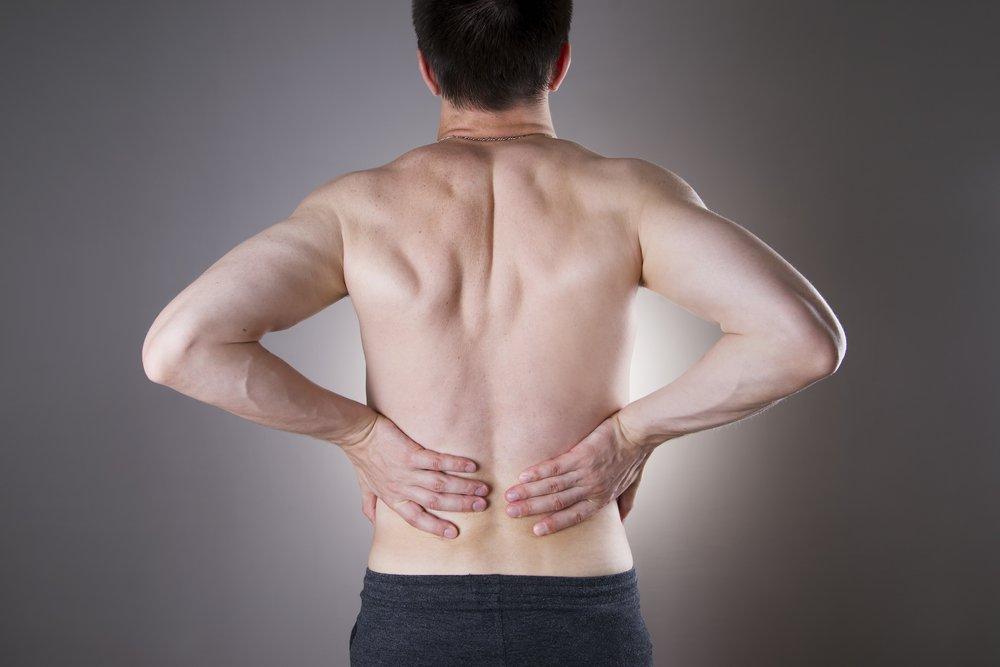
Spinal pressure and discomfort are among the most common complaints that lead people to seek professional healthcare. The sensation of pressure along the spine can range from a dull background ache to an intense, limiting pain that disrupts every daily activity. Many people experience this pressure intermittently and assume it will resolve with rest. When it persists or progressively worsens, it becomes a significant concern that deserves proper attention. Understanding what creates spinal pressure and discomfort helps individuals recognize their condition accurately and make informed decisions about seeking care. Most importantly, it helps them understand that effective treatment options do exist.
How the Spine Creates and Experiences Pressure
The spine is a complex structure that is continuously under mechanical load throughout the waking day. Gravity alone compresses the lumbar spine with a force roughly equal to body weight during quiet standing. Sitting increases this lumbar disc pressure beyond standing, contrary to what many people assume. The lumbar discs bear the most mechanical load and are therefore the most common sources of spinal pressure. The cervical discs, which support the head, are the second most commonly affected region.
Spinal pressure is experienced when any structure within or adjacent to the spinal column presses against pain-sensitive tissues. Nerve roots, the spinal cord, facet joint capsules, outer disc fibers, and surrounding ligaments all contain pain receptors. When mechanical compression, chemical irritation, or inflammation activates these receptors, the sensation of pressure and discomfort results. The specific character and location of the pressure sensation provides important clues about which structure is the primary pain generator.
Disc Herniation and the Pressure It Creates
Lumbar and cervical disc herniations are among the most common structural sources of spinal pressure. When the soft inner nucleus of a disc protrudes through the outer annulus fibrosus, it can press against adjacent neural structures. This protrusion creates a localized pressure sensation at the affected spinal level that is often described as deep, aching, and difficult to relieve through position changes. When the herniated disc material contacts a nerve root, the pressure radiates into the arm or leg depending on the spinal level.
The chemical component of disc herniation contributes significantly to the pressure experience. The nucleus pulposus contains inflammatory chemical mediators that are highly irritating to neural tissues. When these chemicals are exposed to surrounding nerve tissue through a disc rupture, they produce intense inflammation. This chemical irritation amplifies the mechanical pressure sensation and creates a more severe and persistent pain experience. The combination of mechanical compression and chemical inflammation explains why disc-related spinal pressure can be disproportionately severe relative to the structural size of the herniation.
Disc herniations at the L4-L5 and L5-S1 levels produce the most common pattern of lower spinal pressure. This pressure is typically centered in the lower lumbar region and may radiate into the buttock, posterior thigh, or calf. Cervical disc herniations at the C5-C6 and C6-C7 levels produce pressure in the lower neck and interscapular region. This cervical pressure may radiate into the shoulder, arm, or hand depending on the nerve root involved.
Degenerative Disc Disease and Chronic Spinal Pressure
Degenerative disc disease is one of the most prevalent structural causes of chronic spinal pressure in middle-aged and older adults. The progressive dehydration and structural deterioration of intervertebral discs that characterizes this condition creates multiple pain mechanisms simultaneously. As the disc loses height, the vertebrae above and below approximate, increasing the mechanical loading on the facet joints and surrounding ligaments. This increased loading produces the characteristic chronic pressure and morning stiffness of degenerative disc disease.
The disc itself becomes a significant pain generator as it degenerates. The outer annular fibers develop tears that are richly innervated by pain-sensitive nerve fibers. These annular tears produce a deep, poorly localized pressure sensation within the affected disc. The pain is typically worsened by activities that increase intradiscal pressure including sitting for prolonged periods, bending forward, and lifting. It is often somewhat relieved by lying flat, which reduces the mechanical loading across the affected disc.
Degenerative disc disease at multiple spinal levels, which is common in people over 50 years of age, produces a diffuse spinal pressure sensation that spans several regions. This multi-level pressure can be particularly challenging to manage because it reflects widespread structural change rather than a single focal problem. Comprehensive treatment approaches that address the mechanical, inflammatory, and muscular components of multi-level degeneration produce the best outcomes in these more complex presentations.
Facet Joint Degeneration and Localized Spinal Pressure
Lumbar and cervical facet joints are a significant source of localized spinal pressure in a large proportion of chronic back and neck pain sufferers. These paired small joints at the posterior aspect of each spinal level guide movement, provide stability, and share mechanical load with the intervertebral discs. When disc height reduces through degeneration, the facet joints bear an increased proportion of the spinal loading. This increased load accelerates facet joint degeneration and creates a progressively more painful pattern.
Facet joint pressure is characteristically localized to the paravertebral region on one or both sides of the spine. The pain is typically described as a deep ache that worsens with spinal extension and rotation. Sustained standing and walking, which increase lumbar extension and facet joint loading, typically worsen facet-related lumbar pressure. Morning stiffness that improves with gentle movement is another characteristic feature of facet joint involvement.
Referred pain from lumbar facet joints can extend into the buttock and posterior thigh, creating a pattern that superficially resembles disc-related sciatica. However, true facet joint referred pain rarely extends below the knee and does not follow the precise dermatomal patterns of nerve root compression. This distinction is important because it influences both the diagnostic approach and the most appropriate treatment selection. Specific clinical tests that load the facet joints reproducibly provoke the characteristic pain pattern and help confirm the diagnosis.
Muscle Tension and Spasm as Sources of Spinal Pressure
Chronic muscle tension and spasm are frequently overlooked sources of the pressure sensation that patients experience along the spine. The paraspinal muscles, quadratus lumborum, and multifidus all develop sustained tension in response to underlying joint or disc dysfunction. This muscular guarding is a protective response that attempts to stabilize the dysfunctional spinal segment. While physiologically appropriate in the short term, chronic muscle guarding produces its own significant pain contribution.
The sustained contraction of paraspinal muscles compresses the facet joints and intervertebral discs they surround. This compression adds to the mechanical pressure already present from disc or joint pathology. Trigger points within the paraspinal muscles generate their own referred pain patterns that contribute to the overall spinal pressure experience. The combination of structural disc or joint dysfunction with overlying muscular tension creates a more intense and complex pressure sensation than either component alone would produce.
Psychological stress significantly amplifies the muscular component of spinal pressure. Psychological tension translates directly into increased paraspinal muscle activity and tone. Patients who are under significant occupational or personal stress consistently report higher levels of spinal pressure and discomfort. Addressing the stress component through mind-body techniques, counseling, and appropriate lifestyle modification contributes meaningfully to comprehensive spinal pressure management.
Postural Loading and Accumulated Daily Pressure
The cumulative effect of daily postural loading is an underappreciated driver of chronic spinal pressure in many adults. Prolonged sitting in suboptimal positions is particularly problematic for lumbar disc health and pressure. Intradiscal pressure in the lumbar spine is higher during sitting than during standing or walking. Hours of daily sitting with poor lumbar support subjects the lumbar discs to sustained elevated pressure that progressively accelerates degeneration.
Forward head posture during computer work, smartphone use, and driving creates equivalent pressure problems in the cervical spine. The effective load on cervical discs increases dramatically as the head moves forward from its neutral balanced position. This elevated cervical pressure accumulates over months and years of sustained postural habits, accelerating cervical disc degeneration and creating persistent neck pressure. Early postural correction significantly slows this process.
The solution to postural contributors to spinal pressure involves both environmental modification and muscular rehabilitation. Workstation ergonomic assessment and appropriate chair selection reduce the postural loading experienced during working hours. Regular movement breaks every 30 to 60 minutes during prolonged sitting reduce the accumulated intradiscal pressure significantly. Core stability exercises and postural retraining build the muscular capacity to maintain better spinal alignment throughout the day.
How Non-Surgical Care Addresses Spinal Pressure
Effective management of spinal pressure requires interventions that address its multiple structural contributors. Manual therapy including spinal manipulation reduces joint restriction and the associated inflammatory pain. It restores normal segmental mobility and reduces the mechanical friction that generates facet joint pressure. Soft tissue techniques address the muscular tension and trigger points that amplify the overall pressure experience.
For patients with disc-related spinal pressure, professional Spinal decompression treatment offers a non-surgical, technology-assisted approach that creates negative intradiscal pressure to draw herniated disc material inward, reduce nerve root compression, restore disc hydration, and directly address the structural sources of persistent spinal pressure through individualized, computer-controlled treatment protocols.
Rehabilitation exercise addressing core stability and postural muscle strength is an essential component of lasting pressure relief. Strong and well-coordinated spinal support muscles reduce the mechanical demand placed on discs and facet joints during daily activity. This muscular protection is the most important long-term defense against the progressive structural changes that create spinal pressure. Patients who engage consistently with their rehabilitation exercise programs maintain their clinical improvements far more effectively than those who rely on passive treatment alone.
Conclusion
Spinal pressure and discomfort result from a complex interplay of disc herniation, degenerative disc disease, facet joint degeneration, muscular tension, and cumulative postural loading. Each cause contributes to the overall pressure experience through distinct but often overlapping mechanisms. Comprehensive clinical assessment identifies the primary structural drivers and guides appropriate targeted intervention. Non-surgical spinal care integrating decompression therapy, manual treatment, and rehabilitation exercise addresses the full spectrum of spinal pressure causes effectively. With accurate diagnosis, appropriate clinical care, and sustained lifestyle modification, persistent spinal pressure and discomfort respond well and meaningful recovery is achievable for the vast majority of patients.

 English
 Arabic
 French
 Spanish
 Portuguese
 Deutsch
 Turkish
 Dutch
 Italiano
 Russian
 Romaian
 Portuguese (Brazil)