


What Symptoms May Occur During Hormonal Transitions?
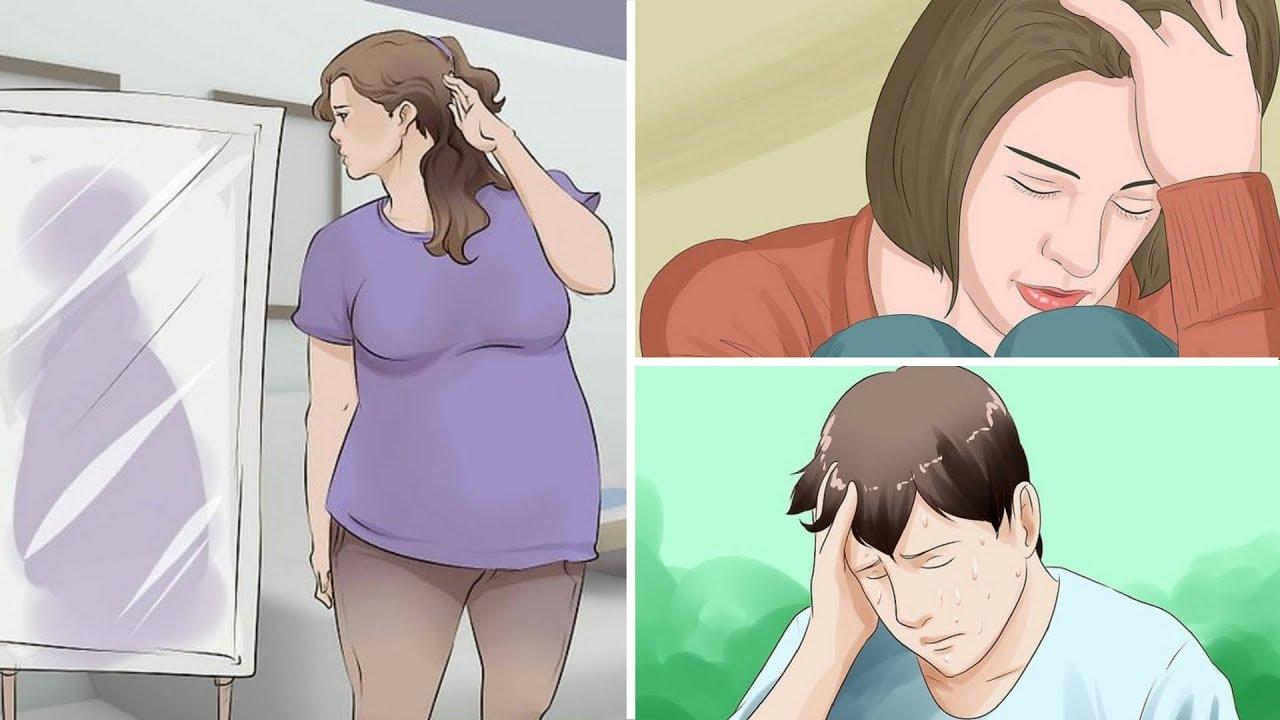
Hormonal transitions in women’s lives are among the most symptom-rich biological events that the body experiences. The changes that accompany perimenopause, menopause, and postmenopause span every dimension of physical and psychological health. Understanding what symptoms may occur during these transitions helps women recognize their own experiences accurately. This recognition reduces confusion, validates the reality of what is happening, and empowers women to seek timely and appropriate medical support.
The Scope of Hormonal Transition Symptoms
The symptoms that may occur during hormonal transitions are remarkably diverse in their nature and presentation. They range from purely physical experiences like hot flashes and joint pain to subtle psychological shifts like reduced motivation or diminished confidence. Some symptoms are immediately recognizable as hormonal while others seem unrelated and are easily attributed to other causes. Understanding the full scope of possible symptoms prevents misattribution that delays accurate diagnosis.
Individual variation in symptom presentation is enormous and clinically important. No two women experience hormonal transitions identically because individual hormonal patterns, genetics, and health histories all vary significantly. One woman may experience predominantly vasomotor symptoms while another reports mainly cognitive and mood-related changes. A third might notice primarily sexual health and vaginal changes as her dominant symptom profile. This variability is normal and expected, though it complicates both recognition and diagnosis.
Why Some Symptoms Are Overlooked or Misattributed
Many symptoms of hormonal transitions are overlooked or misattributed to other health conditions or life circumstances. Fatigue is attributed to overwork rather than hormonal disruption of cellular energy production. Mood changes are attributed to relationship stress rather than neurochemical consequences of estrogen fluctuation. Weight gain is blamed exclusively on dietary habits rather than the metabolic effects of declining hormonal balance.
This widespread misattribution allows treatable hormonal symptoms to persist for years without appropriate intervention. Women who do not connect their experiences to a hormonal cause may seek treatment for individual symptoms without addressing the underlying hormonal pattern. A headache specialist, a sleep clinic, and a cardiologist may each manage one aspect of a woman’s symptoms without anyone connecting the hormonal thread. Understanding the full symptom landscape of hormonal transitions prevents this fragmented and inefficient approach to care.
Vasomotor Symptoms and Temperature Regulation
Vasomotor symptoms are among the most widely recognized and universally discussed hormonal transition experiences. Hot flashes are characterized by sudden episodes of intense heat, flushing, and perspiration. They occur when declining estrogen disrupts the hypothalamus’s ability to regulate body temperature accurately. The hypothalamic thermostat becomes hypersensitive to small temperature changes and triggers heat-dissipation responses disproportionate to the actual stimulus.
Hot flash episodes vary considerably in frequency, duration, and intensity among individual women. Some women experience just a few mild episodes per week that cause minimal disruption. Others have dozens of severe daily episodes that significantly impair concentration, comfort, and social functioning. The variability in vasomotor symptom severity reflects individual differences in hypothalamic sensitivity to estrogen withdrawal and in the rate of hormonal decline.
Night Sweats and Their Cascading Consequences
Night sweats are the nocturnal equivalent of hot flashes and carry particularly significant consequences through their effect on sleep. They repeatedly wake women throughout the night and prevent the sustained deep sleep necessary for physical and cognitive restoration. The chronic sleep disruption that results from persistent night sweats produces a cascade of secondary symptoms. Daytime fatigue, reduced cognitive performance, emotional dysregulation, and lowered immune function all follow from this sleep deprivation.
Understanding night sweats as the driver of this symptom cascade is clinically important for appropriate treatment targeting. Women who receive treatment for their vasomotor symptoms often find that multiple other symptoms improve simultaneously. When night sweats resolve and sleep is restored, cognitive function, mood stability, and physical energy often improve without additional targeted intervention. This cascade relationship makes effective vasomotor symptom treatment one of the highest-leverage interventions in hormonal transition management.
Emotional and Psychological Symptoms
The emotional and psychological symptoms of hormonal transitions are among the most personally disruptive experiences women describe. Mood instability, characterized by emotional reactivity that feels disproportionate and uncharacteristic, is among the most commonly reported. Women describe reacting to minor frustrations with intensity that surprises both themselves and those around them. This emotional dysregulation reflects the direct neurochemical effects of fluctuating and declining estrogen on brain function.
Anxiety that intensifies or appears for the first time during hormonal transitions is a recognized and well-documented symptom. Progesterone’s calming neurological effects, mediated through GABA receptor activity, are lost as levels decline during perimenopause. The resulting increase in neurological excitability manifests as heightened anxiety, social sensitivity, and reduced stress tolerance. Many women are surprised to discover that anxiety they assumed was purely psychological has a clear hormonal basis.
Depression and Low Mood During Transitions
Depression and persistent low mood are significantly more prevalent during hormonal transitions than at other adult life stages. The neurochemical environment created by declining estrogen and progesterone is biologically conducive to depressive symptoms. Serotonin availability, dopamine activity, and norepinephrine balance are all influenced by estrogen in ways that support mood stability. When estrogen falls, these neurochemical supports weaken and vulnerability to depression increases meaningfully.
Women who develop depression during hormonal transitions deserve comprehensive evaluation that includes hormonal assessment. Treating depression as purely psychological without investigating its potential hormonal basis produces incomplete and sometimes inadequate results. Hormone replacement therapy for women has demonstrated significant antidepressant effects in women whose depression is hormonally driven. A treatment approach that addresses both dimensions simultaneously typically produces the most meaningful and lasting emotional recovery.
Cognitive Symptoms and Mental Clarity
Cognitive symptoms during hormonal transitions are among the most alarming for many women to experience. Brain fog, characterized by reduced clarity, difficulty concentrating, and slowed mental processing, is extremely common. Women describe a mental haziness that makes previously automatic cognitive tasks feel laborious and effortful. This experience is particularly distressing for professional women whose careers depend on cognitive sharpness and reliable mental performance.
Memory difficulties including forgetting words mid-sentence, missing appointments, and struggling to retain new information are widely reported. The directness of estrogen’s influence on hippocampal function, verbal memory, and processing speed explains these cognitive changes mechanistically. Women who fear that their cognitive symptoms indicate serious neurological decline are often relieved to discover the hormonal explanation. Many cognitive symptoms improve substantially with appropriate hormonal treatment, validating their hormonal rather than neurological origin.
Physical Symptoms Beyond Hot Flashes
Physical symptoms of hormonal transitions extend well beyond the commonly discussed vasomotor experiences. Joint pain and stiffness are frequently reported during perimenopause and menopause, often surprising women who did not anticipate musculoskeletal changes. Estrogen has anti-inflammatory properties that reduce joint irritation and support cartilage health. When estrogen declines, inflammation increases and joint discomfort often follows as a direct consequence.
Changes in skin quality are another physical symptom that reflects the systemic reach of estrogen in the female body. Skin becomes drier, thinner, and less elastic as collagen production decreases with declining estrogen. Fine lines develop more rapidly, and skin that previously required minimal care may develop new sensitivities and dryness. These physical appearance changes are hormonally driven and respond to hormonal treatment in ways that topical skincare products alone cannot fully address.
Hair Changes During Hormonal Transitions
Hair thinning and changes in texture are physical symptoms that many women find particularly distressing during hormonal transitions. Estrogen and progesterone support the active anagen growth phase of the hair cycle during the reproductive years. As these hormones decline, more hair follicles shift into the resting and shedding phase simultaneously. The resulting increase in shedding and decrease in overall density is a direct consequence of hormonal change.
Declining testosterone during this phase also contributes to hair quality changes for some women. Hair may become finer, less vibrant, and more prone to breakage alongside the density reduction from estrogen and progesterone decline. Women who notice significant hair changes during hormonal transitions should mention them during comprehensive hormonal evaluations. Hair health changes provide useful diagnostic information and often improve meaningfully with appropriate hormonal treatment.
Sexual Health and Genitourinary Symptoms
Sexual health and genitourinary symptoms are among the most personally significant and least openly discussed hormonal transition experiences. Reduced libido is among the most universally reported sexual health changes during this phase. The combined decline of estrogen, progesterone, and testosterone reduces sexual desire and physical responsiveness in most women. This change is normal from a hormonal perspective but is not inevitable or untreatable from a medical perspective.
Vaginal dryness, atrophy, and discomfort during intimacy are direct consequences of declining estrogen on vaginal tissue health. Vaginal tissues require estrogen for moisture, elasticity, and healthy cellular turnover. Without adequate estrogen, these tissues thin, dry, and become more susceptible to irritation and infection. These genitourinary symptoms tend to worsen progressively without treatment, unlike vasomotor symptoms that may improve with time.
Urinary Symptoms Related to Hormonal Decline
Urinary symptoms including urgency, frequency, and recurrent urinary tract infections are related to the same estrogen decline that affects vaginal health. The urinary tract depends on estrogen for the tissue integrity that protects against bacterial colonization and irritation. When estrogen declines, these protective mechanisms weaken and urinary symptoms become more common. Many women are unaware of the hormonal connection to their urinary health changes and do not connect these symptoms to the broader hormonal picture.
Treatment with localized or systemic estrogen effectively addresses both vaginal and urinary symptoms by restoring the estrogen-dependent tissue health that protects against them. These genitourinary symptoms are among the most responsive to appropriate treatment and represent one of the clearest cases where medical intervention significantly improves quality of life. Women who experience these symptoms deserve to know that effective treatment exists and that enduring them silently is entirely unnecessary.
Sleep Disturbances as Standalone Symptoms
Sleep disturbances may occur as standalone symptoms of hormonal transitions beyond those caused directly by night sweats. Progesterone has direct sleep-promoting effects through its metabolite’s interaction with GABA receptors in the brain. When progesterone declines during perimenopause, these sleep-promoting effects are lost independently of any vasomotor disruption. Difficulty falling asleep, frequent awakening without obvious cause, and reduced sleep quality can all reflect this progesterone deficit.
Some women develop new insomnia patterns during hormonal transitions that persist even when night sweats are controlled. These women may benefit from targeted progesterone support alongside or instead of broader hormonal treatment. Understanding that sleep disruption can have multiple hormonal origins, not just the vasomotor pathway, leads to more precisely targeted and effective treatment. A specialist who distinguishes between these different sleep disruption mechanisms provides more individualized and effective care.
Conclusion
The symptoms that may occur during hormonal transitions are diverse, interconnected, and profoundly impactful across every dimension of women’s health. Vasomotor, emotional, cognitive, physical, sexual, genitourinary, and sleep-related symptoms all reflect the systemic influence of declining hormones during this phase. Understanding this full symptom landscape helps women recognize their own experiences accurately and seek appropriate medical support without unnecessary delay. Effective treatment for the full range of hormonal transition symptoms exists and is accessible to women who seek knowledgeable specialist care. Every woman navigating hormonal transitions deserves validation of her experience and access to the comprehensive, personalized care that these complex and treatable symptoms require.

 English
 Arabic
 French
 Spanish
 Portuguese
 Deutsch
 Turkish
 Dutch
 Russian
 Romaian
 Portuguese (Brazil)
 Greek