


How Many Driving Lessons Do I Need After 80 Hours?
Introduction
How many driving lessons do I need after completing 80 hours of supervised driving? The answer depends on your practical skills, confidence and ability to respond safely to changing road conditions. In Tasmania, supervised practice helps learner drivers gain experience, but some situations may still feel unfamiliar without professional guidance. Additional lessons can help you correct mistakes, improve hazard awareness and prepare for the challenges of driving independently.
How Many Additional Lessons Will Help You Improve?
The number of professional lessons you need after 80 hours depends on how well you can drive without frequent assistance. Some learners may require a few sessions to improve specific manoeuvres, while others benefit from further instruction across a wider range of road situations.
Your driving experience matters more than the number of hours alone. A learner who has practised busy intersections, roundabouts, parking and unfamiliar routes may have developed broader skills than someone who mainly drives along familiar suburban streets.
A qualified instructor can assess your current ability and identify areas that need attention. This gives you a practical plan for improving your driving rather than choosing an arbitrary number of lessons.
What Do Professional Driving Lessons Teach You?
Professional driving lessons help learners improve vehicle control, observation and decision-making through practical demonstrations and individual feedback. An instructor can recognise unsafe habits, explain how to correct them and help you apply road rules in situations that require careful judgement.
Consider driving on Hobart's steep streets. A learner using a manual car may find hill starts difficult when coordinating the clutch, accelerator and brakes. Practising this technique with an instructor can improve vehicle control and help prevent the car from rolling backwards.
Tasmania's changing weather creates additional challenges. Rain can reduce tyre grip and increase stopping distances, while wildlife may cross rural roads unexpectedly, especially around dusk. Professional guidance can help you recognise these risks, adjust your speed and maintain greater awareness of the road ahead.
How Do You Know When You Need More Driving Practice?
You may need further instruction if you regularly forget mirror checks, struggle to judge safe gaps or feel uncomfortable changing lanes. Difficulty navigating roundabouts, parking accurately or reacting to unexpected hazards can also indicate that certain skills need more attention.
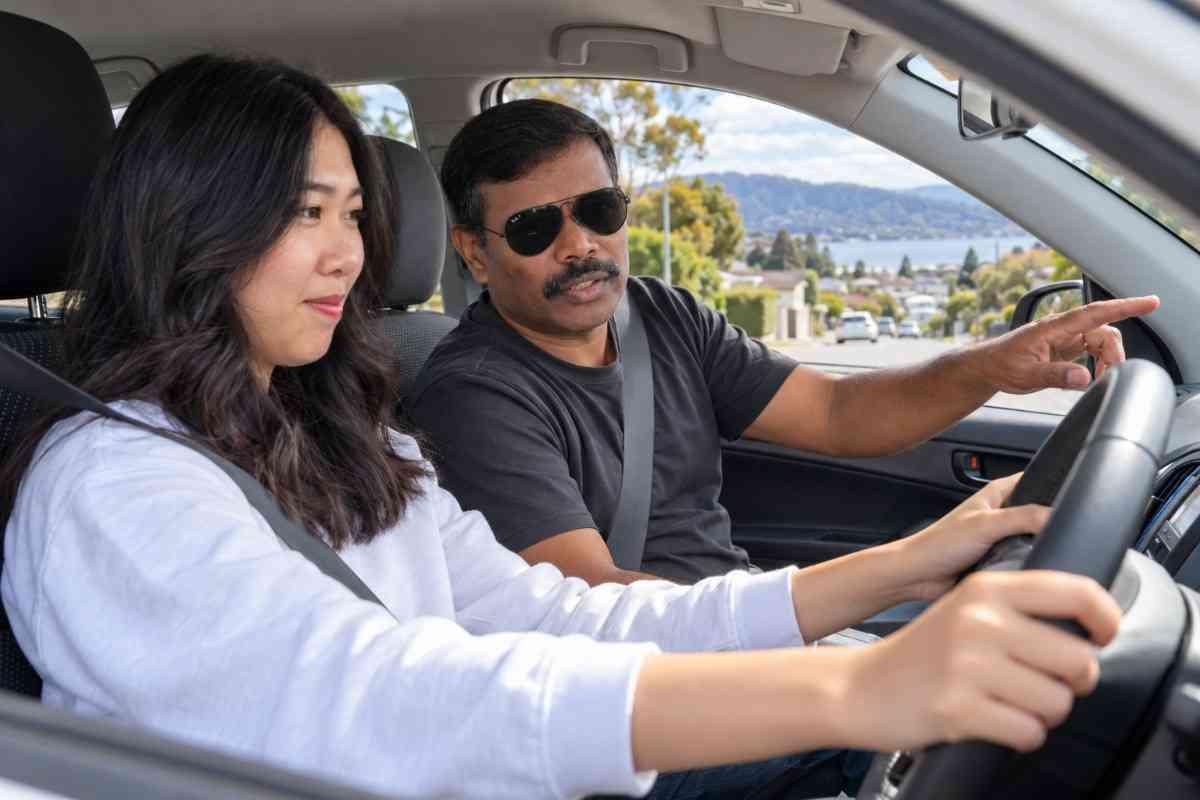
Think about your recent driving sessions. Can you approach an unfamiliar intersection, maintain a safe following distance and complete parking manoeuvres without repeated reminders? If your supervisor frequently needs to point out hazards or correct your decisions, discuss these difficulties with your instructor.
Identifying recurring mistakes helps you focus on the areas that matter most. Building consistent observation habits and learning to anticipate potential hazards are more valuable than simply accumulating additional practice hours.
How Can You Get More From Each Driving Lesson?
You can make steady progress by practising specific skills between professional sessions with your supervising driver, whenever it is safe and appropriate. Effective driver training combines expert feedback with regular practice, helping you develop skills that carry over to different roads and traffic conditions.
For example, if reverse parking is challenging, ask your instructor to explain vehicle positioning, steering and observation. Practise the technique in a suitable location under supervision, then review any difficulties during your next session.
Keep track of the skills you have mastered and those that still require reminders. This helps your instructor tailor future lessons to your needs and makes your progress easier to recognise.
Conclusion
So, how many driving lessons do I need after 80 hours? It depends on your ability to manage everyday driving situations safely and confidently. Rather than guessing, consider an assessment with a qualified Tasmanian instructor to identify areas for improvement. With focused lessons, consistent supervised practice and constructive feedback, you can develop better judgement, stronger road awareness and the confidence to become a responsible driver.

 English
 Arabic
 French
 Spanish
 Portuguese
 Deutsch
 Turkish
 Dutch
 Italiano
 Russian
 Romaian
 Greek