


What Injuries Can Physiotherapy Help Manage in Nova Scotia?
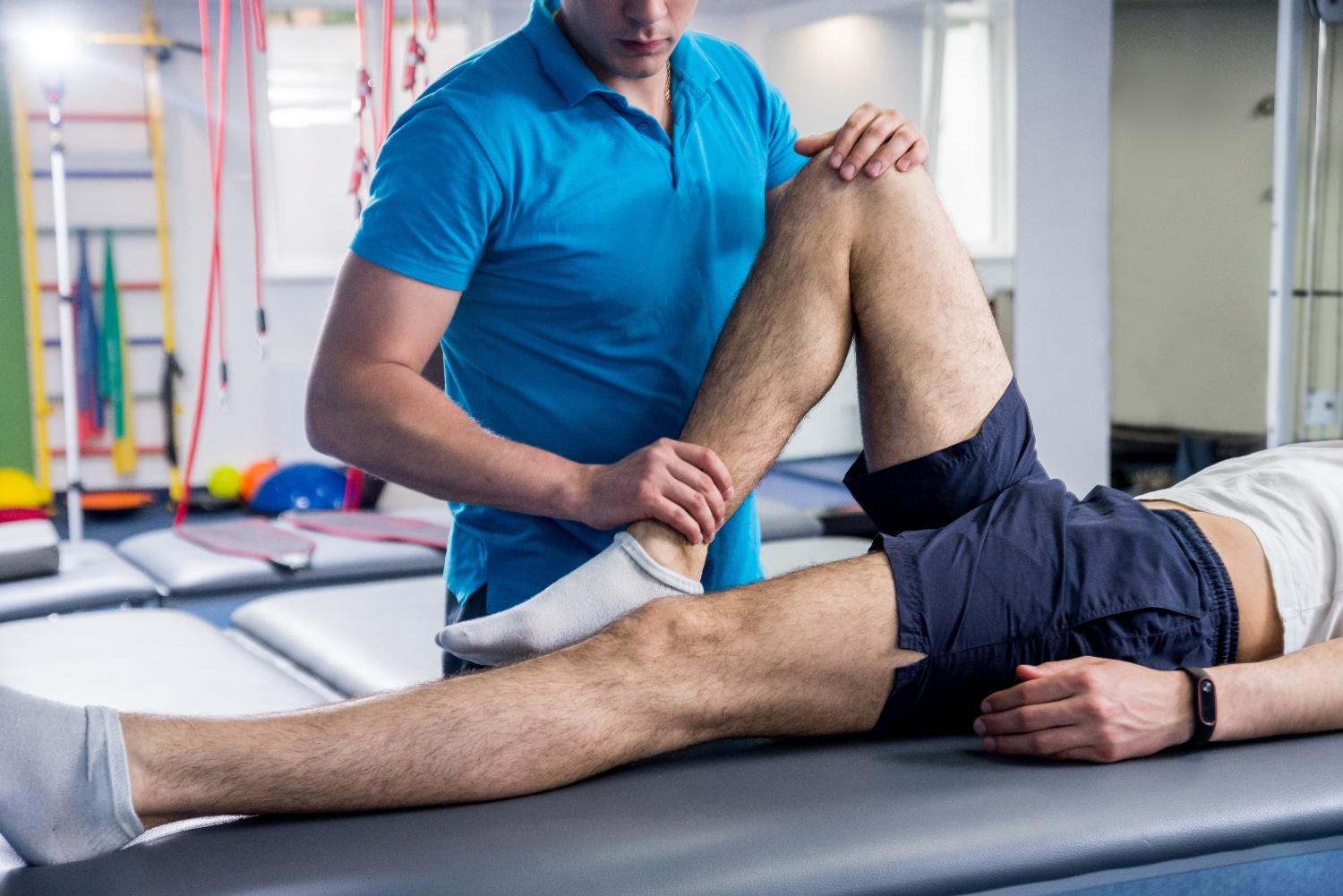
Injuries come in many shapes and sizes. Some happen in a single moment. Others build slowly over months of repeated strain. Each type needs its own approach. Many people are surprised by how much skilled rehab can do. It helps with bones, muscles, joints, and nerves. This article walks through the most common injuries. It also explains how treatment usually works.
Daily life in Nova Scotia brings its own challenges. Icy steps, snowy driveways, and uneven trails cause many falls. Work on boats, farms, and building sites adds more risk. Recreational sports are popular in every season. Hockey rinks, soccer fields, and hiking paths all see injuries. Knowing what can be treated helps you choose care wisely. Let us start with the most frequent problems.
Muscle and Tendon Injuries
Muscle strains happen when fibres stretch too far. They often occur during sprinting, lifting, or sudden twists. Hamstrings, calves, and groin muscles are common targets. Pain, swelling, and bruising usually appear soon after. Mild strains heal within a few weeks. Severe tears may take months. Guided rehab shortens that timeline. It also reduces the chance of a repeat strain.
Tendon problems behave differently. Tendons connect muscle to bone. They can become irritated from repeated load. Tennis elbow and Achilles tendon pain are classic examples. Rotator cuff tendon issues affect many shoulders. These problems often start gradually. People may ignore them until pain limits activity. Early treatment makes a large difference.
How Rehab Helps Tendons Heal
Tendons respond best to slow, progressive loading. Complete rest often weakens them further. A clinician designs exercises that challenge the tendon safely. These may include slow lifts and controlled stretches. Over several weeks, the tendon adapts and strengthens. Pain usually decreases as capacity improves. Patience is vital in this process. Quick fixes rarely work for tendon trouble.
Joint and Ligament Injuries
Ligaments connect bone to bone and keep joints stable. Sprains happen when ligaments stretch or tear. Ankle sprains are the most common example. Knee ligament injuries often occur in pivoting sports. Wrist and thumb sprains follow falls onto the hand. Symptoms include swelling, pain, and a feeling of looseness. Severity ranges from mild to complete tears. A proper exam identifies the grade.
Treatment depends on the injury level. Mild sprains need protection and gentle early movement. Moderate sprains may need bracing and structured strengthening. Severe tears sometimes require surgery. Rehab plays a role either way. It restores balance, strength, and joint control. Without it, joints can stay unstable. Repeated sprains then become likely.
Cartilage and meniscus injuries also fall in this group. A twisting knee can tear the meniscus. Symptoms include catching, locking, and swelling. Some tears heal well with exercise alone. Others need surgical repair. Rehab prepares the knee before surgery. It also guides recovery afterward. Strong thigh and hip muscles protect the joint. That support reduces stress on damaged cartilage.
Back and Neck Injuries
Back pain affects most adults at some point. It may follow lifting, bending, or long sitting. Many cases are muscular and settle with time. Others involve discs, joints, or nerves. Fear often makes people stop moving. Yet staying gently active usually helps. Education and graded exercise are core treatments. They reduce pain and restore confidence.
Neck pain is equally common today. Screens, driving, and desk work strain the neck. Whiplash from collisions adds another cause. Symptoms include stiffness, headaches, and shoulder tension. Some people feel arm pain or tingling. A clinician checks the joints, muscles, and nerves. Treatment may include manual therapy and posture training. Strengthening the deep neck muscles brings lasting benefits.
Disc Problems and Sciatica
Discs act as cushions between the spine bones. They can bulge or irritate nearby nerves. Sciatica is pain that travels down the leg. It may come with numbness or tingling. Most disc problems improve without surgery. Targeted movements can reduce nerve pressure. Pacing activity and avoiding long sitting also help. A skilled clinician guides these choices. Severe weakness or bladder changes need urgent medical care.
Fractures and Surgical Recovery
Broken bones need time and protection. Casts or braces hold the bone in place. Once healing allows, rehab begins. Muscles around the fracture often shrink. Nearby joints may be stiff. Therapy restores strength and movement step by step. Wrist, ankle, hip, and shoulder fractures are common examples. Falls on ice cause many of them each winter.
Joint replacements are another major area. Hip and knee replacements are frequent. Patients usually start moving the day after surgery. Early exercises prevent clots and stiffness. Later work rebuilds strength and walking ability. Clear milestones keep progress on track. Most people return to daily life with less pain. Following the rehab plan is essential to that success.
Other surgeries also need guided recovery. Rotator cuff repairs, ACL reconstructions, and spine procedures follow set protocols. Each protocol protects the repair during early weeks. Gradual loading then restores function. Surgeons and therapists often communicate directly. This teamwork keeps your plan safe and current. Ask your surgeon about expected timelines. Bring those details to your first therapy session.
Overuse and Work Related Injuries
Repetitive strain injuries build slowly. Typing, lifting, and assembly work can overload tissues. Carpal tunnel symptoms affect the hands and wrists. Shoulder impingement troubles many overhead workers. Trigger finger and tendon irritation also appear. Early signs include aching, numbness, and fatigue. Ignoring them often leads to worse problems. Simple changes can stop the cycle.
Ergonomic advice is a key part of care. A clinician reviews your desk, tools, and work habits. Small changes like monitor height can ease strain. Regular breaks and stretches reduce tissue stress. Strengthening weak areas balances the load. For physical jobs, technique coaching matters. Lifting smarter protects your back and shoulders. Employers often welcome these suggestions.
Workers in physical trades face high demands. Fishers, farmers, and construction workers need robust rehab. Programs focus on strength, endurance, and safe movement patterns. A staged return to work protects the healing area. Clinicians can also communicate with workplace insurers. This helps coordinate duties during recovery. Clear documentation speeds up approvals. The goal is a safe, lasting return to full tasks.
Sports Injuries Across All Ages
Sports bring joy and risk in equal measure. Young athletes suffer growth related injuries and sprains. Adults deal with muscle tears and joint strain. Older athletes face tendon and arthritis flare ups. Each age group has its own needs. Rehab respects those differences. It also considers the demands of each sport. A hockey player trains differently from a runner.
Concussions deserve special mention. They happen in hockey, soccer, and many other activities. Symptoms include headache, dizziness, and trouble concentrating. Rest is important at first. Guided return to activity follows strict stages. Some clinicians offer specialized concussion care. Vestibular and neck treatments can reduce lingering symptoms. Never rush back to play after a head injury.
Injury prevention is a smart goal for any athlete. Screening can reveal weak links before they fail. Balance, hip strength, and landing mechanics are common focus areas. Warm up routines reduce the risk of strains. Proper footwear and equipment matter too. Off season conditioning builds resilience. A clinician can design a program for your sport. Prevention is always easier than recovery.
Arthritis and Chronic Conditions
Arthritis is not an injury, yet it often limits movement. Osteoarthritis wears down joint cartilage over time. Knees, hips, and hands are common sites. Many people think exercise worsens arthritis. Research shows the opposite in most cases. Strengthening and low impact activity reduce pain. They also improve function and mood. Weight management and pacing add further benefits.
Chronic pain conditions need a broader view. Fibromyalgia and long term back pain are examples. Treatment combines gentle exercise, education, and stress management. The goal is not just less pain but more living. Small increases in activity build tolerance. Sleep, nutrition, and mood also play roles. A caring clinician helps you balance these factors. Progress may be slow but steady.
When you want trusted help, look into physiotherapy nova scotia clinics with experience in your condition. Ask whether they treat your specific injury often. Experience tends to improve outcomes. Many clinics list their special interests online. Reviews and word of mouth can also guide you. A quick phone call can answer most questions. Choose a team that listens and explains clearly.
What Treatment Usually Includes
Most plans combine several tools. Manual therapy uses skilled hands to ease stiff joints and tight muscles. Exercise therapy builds strength, flexibility, and control. Education explains your condition and how to manage it. Modalities such as heat, ice, or electrical stimulation may support comfort. Taping and bracing can protect healing areas. Each tool serves a clear purpose. Your clinician should explain why they choose it.
Progress is measured regularly. Clinicians track pain, strength, motion, and function. They compare results with your goals. If progress stalls, they adjust the plan. They may suggest imaging or a specialist opinion. Open feedback from you is vital. Tell them what helps and what does not. This teamwork makes treatment more effective.
Final Thoughts
Many injuries respond well to skilled rehabilitation. Muscle strains, sprains, fractures, back pain, and sports injuries are all common examples. Surgical recovery and chronic conditions benefit as well. The best results come from early care and steady effort. Nova Scotia residents face real seasonal and occupational risks. Understanding what can be treated helps you act with confidence.
If you are unsure about your symptoms, ask a professional. A simple assessment can clarify your options. You do not need to live with ongoing pain. With the right plan, most people regain strength and freedom. Take the first step, and stay patient with the process.

 English
 French
 Spanish
 Portuguese
 Deutsch
 Turkish
 Dutch
 Italiano
 Russian
 Romaian
 Portuguese (Brazil)
 Greek