


When Is Surgery Needed for a Broken Hip?
A broken hip is a serious medical event. It often happens after a fall. Pain can be sudden and severe. Many patients wonder if surgery is truly needed. This article explains when and why it often is.
What a Broken Hip Really Means
A broken hip is a fracture of the upper thigh bone. It usually occurs near the joint. Some breaks happen in the ball of the joint. Others occur just below it.
Doctors classify these breaks by location. Femoral neck fractures sit just below the ball. Intertrochanteric fractures lie slightly lower. Subtrochanteric fractures occur further down the bone. Each type affects treatment choices.
Who Is Most at Risk
Older adults face the highest risk. Bone thins with age, especially after menopause. Osteoporosis makes bones far more fragile. Even a minor fall can cause a break.
Younger people can break a hip too. High-energy trauma, such as car crashes, is a cause. Sports injuries occasionally lead to fractures. Certain medications also weaken bone.
Recognizing the Signs of a Hip Fracture
Severe pain in the hip or groin is typical. Most people cannot stand or walk afterward. The injured leg may look shorter. The foot may turn outward.
Bruising and swelling may appear soon after. Some patients feel pain in the knee or thigh. Any suspected break needs emergency care. Delay can increase risks significantly.
What to Do Right Away
Call emergency services immediately. Avoid moving the injured person. Keep them warm and as comfortable as possible. Do not give food or drink. Doctors may need to operate soon.
How Doctors Diagnose the Injury
Doctors begin with a physical exam. They ask how the fall happened. X-rays confirm most fractures quickly. Some breaks are hard to see at first.
MRI or CT scans may then be used. These tests reveal hidden or small cracks. Accurate diagnosis shapes the treatment plan. Blood tests check overall health before the operation.
Why Surgery Is Usually Recommended
Most hip fractures need an operation. The hip bears weight with every step. Bone rarely heals well without stabilization. Rest alone often leaves patients immobile.
Prolonged bed rest brings serious risks. Blood clots can form in the legs. Pneumonia may develop from limited movement. Pressure sores become more likely. Surgery helps avoid these dangers.
The Goal of Treatment
The main goal is to restore function. Surgeons want patients standing quickly. Early movement protects overall health. Pain relief is another important aim. A stable repair supports recovery.
Types of Surgical Repair
The chosen repair depends on the break. Internal fixation uses screws, pins, or plates. These hold the bone while it heals. This option suits many stable fractures.
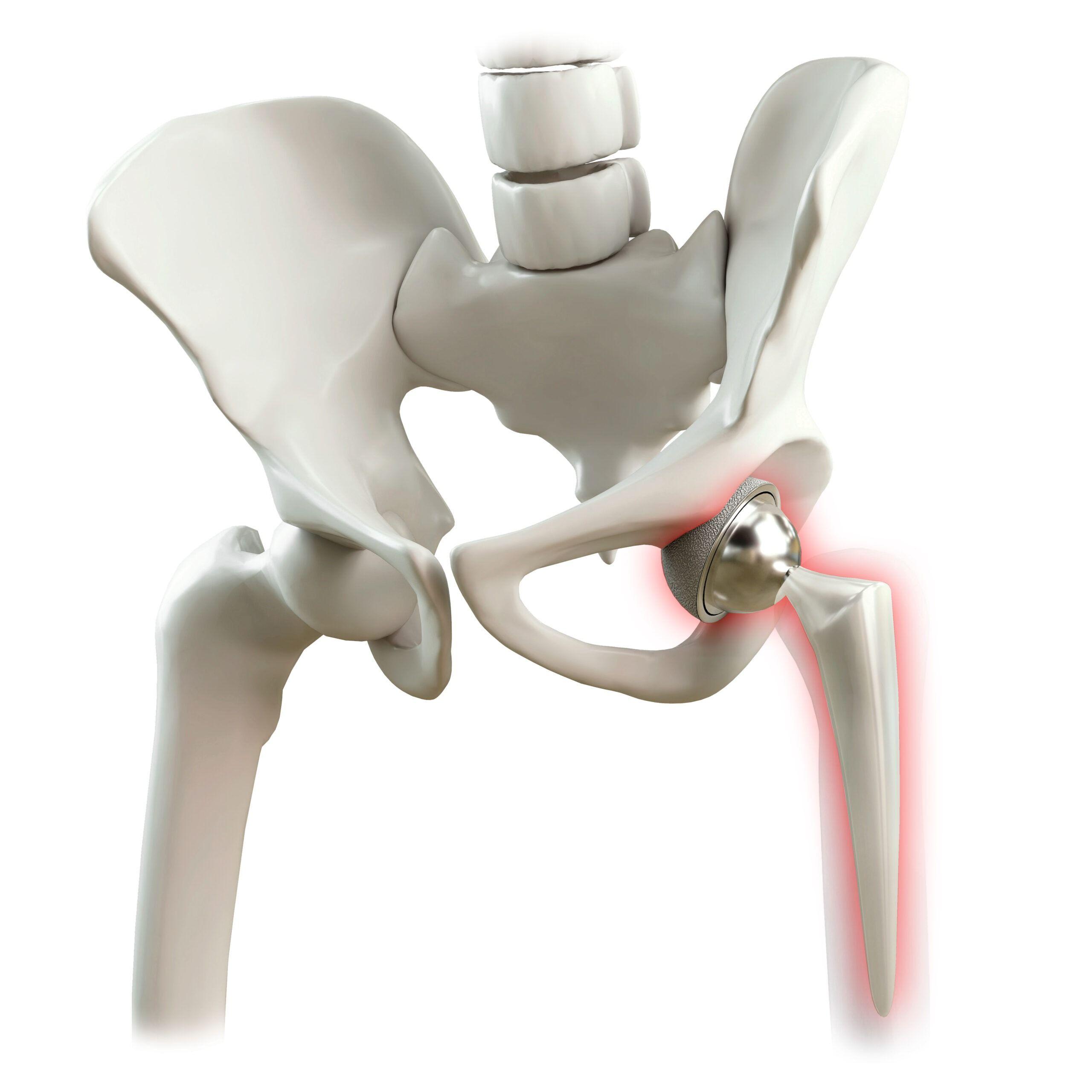
Partial hip replacement swaps the ball of the joint. It is common after displaced neck fractures. Total hip replacement replaces both ball and socket. It may suit active patients with arthritis. Surgeons weigh age, health, and bone quality.
Choosing the Right Approach
Fracture displacement strongly influences the decision. So does blood supply to the bone. Patient fitness and mobility matter as well. Pre-injury lifestyle also plays a role. The care team explains each recommendation.
Understanding Timing and Urgency
Speed matters after a hip fracture. Studies link earlier treatment to better outcomes. Many hospitals aim for repair within a day or two. Delays can raise complication rates.
Doctors first stabilize other health issues. Heart and lung conditions are evaluated. Blood thinners may need adjusting. Once safe, the operation proceeds promptly.
Learning About Hip Fracture Surgery
Families often search for details about hip fracture surgery during a crisis. Knowing the basics eases fear and confusion. It helps relatives ask useful questions. The orthopaedic team can explain the plan clearly.
Stay engaged during every discussion. Ask about anesthesia, repair type, and timing. Ask how soon walking may begin. Informed families help create calmer experiences.
When Surgery Might Not Be Chosen
A few patients are too frail for an operation. Severe heart disease can raise risks sharply. Advanced dementia may influence decisions. Some fractures are stable and barely displaced.
In rare cases, doctors choose non-operative care. This means pain control and careful positioning. Patients stay in bed or a chair at first. Outcomes are generally less favorable. Families discuss goals of care together.
Balancing Risks and Benefits
Doctors weigh surgical risk against inactivity risk. Most often, surgery still wins. Comfort is a strong benefit. Better mobility improves quality of life. Honest conversations guide the best choice.
What Happens in the Hospital
Patients meet an anesthesia team beforehand. Spinal anesthesia is common and often well tolerated. General anesthesia may be used instead. The operation can last one to two hours.
Afterward, nurses monitor vital signs closely. Pain medication keeps patients comfortable. Blood thinners lower clot risk. Patients often stand within a day.
Early Mobilization
Therapists help patients sit and stand early. First steps use a walker or frame. Movement improves circulation and mood. It also protects muscle strength. Early activity speeds overall healing.
The Road to Recovery
Recovery takes time and effort. Many patients stay in hospital several days. Some move to rehabilitation facilities afterward. Others return home with support.
Physical therapy builds strength and balance. Occupational therapy teaches daily task skills. Progress comes in small steps. Patience is essential throughout.
Preventing Another Fall
Fall prevention is a major priority. Remove tripping hazards at home. Install grab bars in bathrooms. Improve lighting in hallways. Wear sturdy, non-slip shoes.
Vision checks reduce fall risk. Medication reviews can help too. Balance exercises make a real difference. Safer homes protect fragile bones.
Bone Health After a Fracture
A hip fracture often signals weak bones. Doctors may test bone density afterward. Calcium and vitamin D support healing. Medicines can slow bone loss.
Weight-bearing exercise strengthens bone. Stopping smoking helps too. Limiting alcohol protects bone health. These steps reduce future fracture risk.
Emotional and Social Support
A broken hip can shake confidence. Fear of falling again is common. Loss of independence feels hard. Support from loved ones lifts spirits.
Social contact aids recovery. Counseling can help with anxiety or low mood. Support groups share practical advice. Emotional care deserves equal attention.
Final Thoughts
Surgery is usually the right answer for a broken hip. It restores movement and lowers serious risks. Timing and fracture type guide the chosen repair. Strong recovery habits support lasting independence. Prompt medical care gives patients the best chance.

 English
 Arabic
 French
 Portuguese
 Deutsch
 Turkish
 Dutch
 Italiano
 Russian
 Romaian
 Portuguese (Brazil)
 Greek